banners 1 5

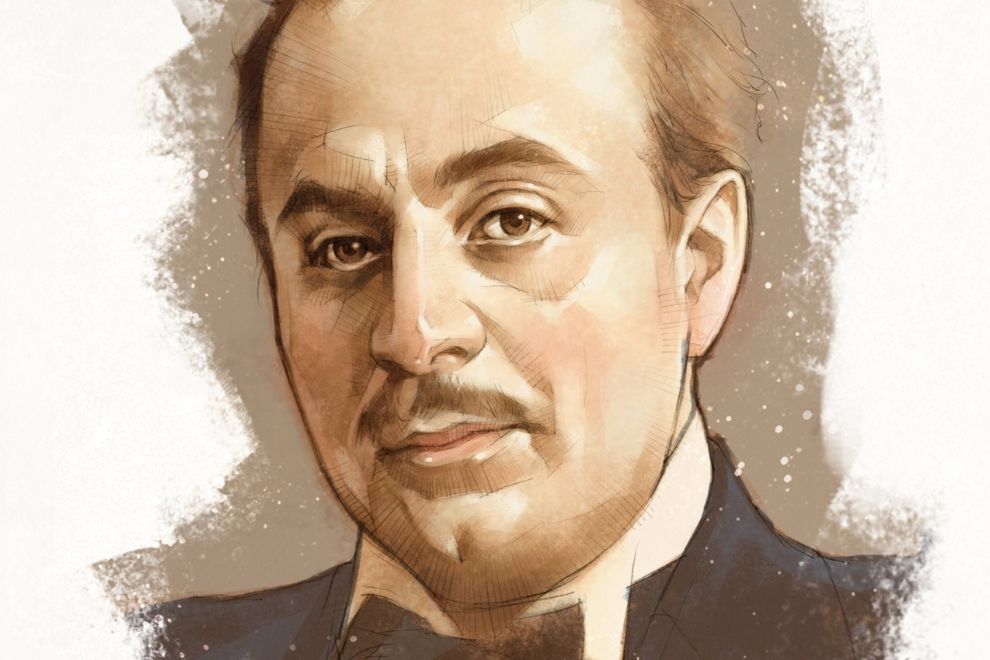
Khalil Gibran: The Poet of the Soul and Prophet of Love

1. Introduction Khalil Gibran was more than a poet. He was a voice that rose above the noise of the world, speaking directly to the human soul. His words carried the fragrance of Lebanon’s cedar trees and the mysticism of the East, yet were shaped by the rhythms of the West. Best known for his masterpiece The Prophet, Gibran’s writings have touched millions, offering wisdom that transcends time, culture, and religion. Gibran’s work defied boundaries. He was a philosopher without dogma, a lover without chains, and a visionary who believed that beauty lay not in possessions but in the awakening of the spirit. Today, his name still echoes in the hearts of those who seek truth, love, and meaning. 2. Early Life and Background Khalil Gibran was born on January 6, 1883, in the small town of Bsharri in the mountains of Lebanon. His childhood was steeped in the sights and sounds of nature—mountain winds, flowing rivers, and the vast sky that seemed to whisper stories to anyone willing to listen. His mother, Kamila Rahmeh, was a strong influence, instilling in him values of compassion and resilience. In 1895, at the age of 12, Gibran emigrated to the United States with his family. They settled in Boston’s South End, home to one of the largest Lebanese communities in America. This journey marked the beginning of a life lived between worlds—one foot in the East, the other in the West. 3. Artistic and Literary Journey While in Boston, Gibran’s artistic talent caught the attention of a local photographer, Fred Holland Day, who encouraged him to pursue art and literature. His drawings were infused with mysticism, often depicting human figures intertwined with nature and divine light. In 1898, Gibran returned to Beirut to study Arabic literature. He immersed himself in classical works, which later blended harmoniously with his English writings. In Paris, he further honed his artistic skills, studying at the Académie Julian. Over time, he mastered the rare art of fusing words and visuals to create an emotional and spiritual experience for his audience. 4. Philosophy and Themes in His Works At the heart of Gibran’s philosophy was the belief that all human beings are connected by an invisible thread of spirit. His recurring themes included: His words often felt like gentle hands guiding the reader toward self-realization. 5. Major Works Gibran’s most celebrated book, The Prophet (1923), is a collection of poetic essays covering topics such as love, work, freedom, and death. The book’s lyrical style and universal wisdom have made it one of the most translated works in history. Other notable works include: 6. Khalil Gibran’s Style of Writing Gibran’s writing was poetic prose—simple in language yet profound in meaning. He drew from: His ability to blend the spiritual and the sensual gave his works a timeless appeal. Reading Gibran feels like walking through a quiet garden where every flower holds a secret. 7. Gibran’s Views on Love and Marriage In Gibran’s philosophy, love was not ownership but freedom. He famously wrote, “Let there be spaces in your togetherness.” For him, the healthiest relationships were those where two souls could grow side by side without suffocating each other. Love, in his eyes, was a journey of mutual awakening, not a chain that binds. 8. Gibran’s Legacy and Influence Khalil Gibran passed away in New York on April 10, 1931, at the age of 48, yet his words continue to live. The Prophet has been translated into over 100 languages, inspiring poets, artists, and musicians across the globe. His wisdom resonates today as much as it did a century ago, offering guidance in a world still searching for meaning. 9. 50 Original Khalil Gibran-Inspired Quotes (All original, inspired by his style — poetic, soulful, and symbolic) 10. Conclusion Khalil Gibran was not just a poet of words but a poet of life. He spoke to the part of us that longs for truth, beauty, and love that transcends time. His legacy is not in the books he left behind but in the hearts he continues to awaken. In a divided world, Gibran’s message is a reminder that we are one—bound not by geography or belief, but by the silent music of the soul. His words are not meant to be read once and forgotten, but to be lived, cherished, and shared across generations.

banners 10

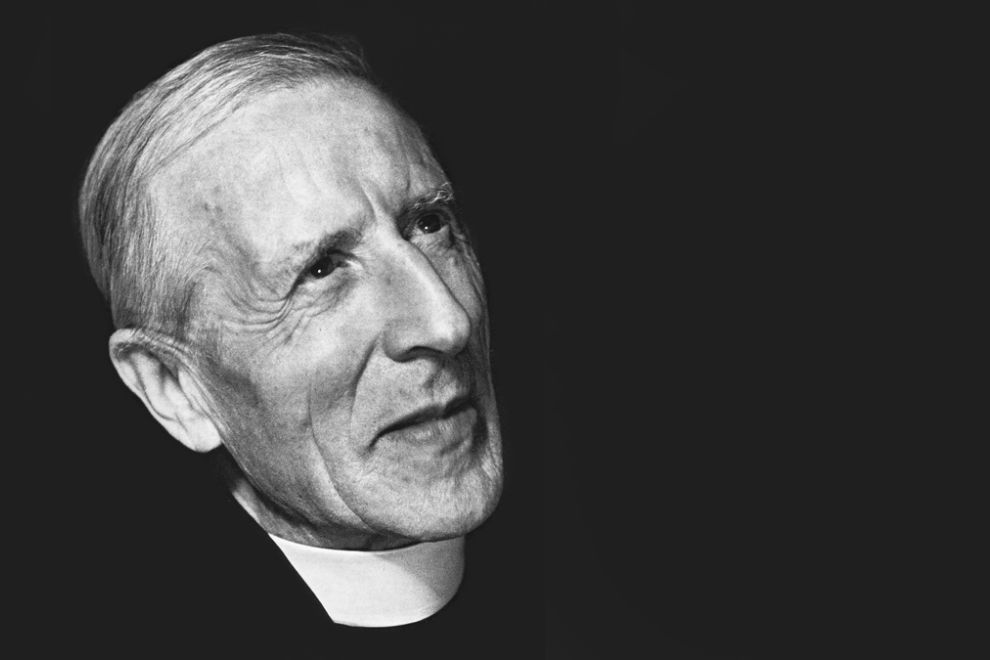
Pierre Teilhard de Chardin: The Visionary Who Bridged Science and Spirituality

1. Introduction Pierre Teilhard de Chardin (1881–1955) was a French Jesuit priest, paleontologist, and philosopher whose work sought to reconcile evolutionary science with Christian theology. At a time when religion and science often seemed in opposition, Teilhard dared to imagine a universe where faith and evolution were not enemies but complementary forces driving humanity toward a shared destiny. His vision was bold, poetic, and controversial — blending geology, cosmology, and mysticism into a single narrative of cosmic progress. Though his writings were suppressed during his lifetime by the Catholic Church, they later gained widespread recognition and influenced theology, ecology, and global thought. 2. Early Life and Education Pierre Teilhard de Chardin was born on May 1, 1881, in Orcines, France, into a devout Catholic family. From an early age, he was fascinated by the natural world. His father nurtured his interest in geology and fossils, while his mother instilled a deep sense of spirituality. This dual influence — scientific curiosity and religious devotion — would define his life’s work. At age 18, he entered the Jesuit order, beginning a journey that would combine rigorous spiritual training with intellectual exploration. He studied philosophy in Jersey and theology in Hastings, later earning degrees in natural sciences from prestigious French institutions. Teilhard’s intellectual range was vast — he was as comfortable in the fossil beds of Asia as in the halls of theological debate. 3. Scientific Career After his ordination as a Jesuit priest, Teilhard pursued his passion for paleontology. His research took him to China, Africa, and India, where he studied prehistoric life and human evolution. One of his most notable contributions was his involvement in the discovery and study of Peking Man (Homo erectus pekinensis) in the 1920s and 1930s. This groundbreaking find helped fill crucial gaps in the understanding of human ancestry. Teilhard’s scientific work was rigorous, yet he viewed it through a philosophical lens. For him, fossils were not merely remnants of the past but milestones in the grand evolutionary story of the universe. Each layer of rock, each ancient bone, was a chapter in a cosmic book, leading toward greater complexity and consciousness. 4. Philosophical and Theological Vision Teilhard’s central mission was to integrate scientific evolution with Christian theology. He rejected the idea that faith must stand apart from empirical knowledge. Instead, he saw God’s creative power working through evolutionary processes. He believed the universe is not static but dynamic, moving toward greater complexity and unity. Human consciousness, he argued, is not an accidental byproduct of evolution but its very goal. This vision placed humanity in a cosmic drama, where both science and spirituality play essential roles. 5. Major Ideas and Concepts a. The Law of Complexity-Consciousness Teilhard proposed that as matter becomes more complex, it tends to develop higher levels of consciousness. From subatomic particles to human minds, evolution is a process of increasing awareness. b. The Omega Point He envisioned a future “Omega Point” — the ultimate stage of evolution where all consciousness converges in unity with the divine. This was not a physical location but a spiritual culmination, a final synthesis of science, love, and faith. c. The Noosphere Teilhard introduced the concept of the Noosphere, a “sphere of thought” surrounding the Earth, created by human knowledge, culture, and communication. In many ways, this idea foreshadowed the modern internet and global connectivity. d. Christogenesis Central to Teilhard’s theology was the belief that Christ is the divine center of evolution. The entire process of cosmic development, he argued, is oriented toward the fullness of Christ, who draws all creation toward unity. 6. Controversies and Opposition Teilhard’s ideas challenged conventional theology. His suggestion that evolution was part of God’s plan conflicted with literal interpretations of scripture. Some theologians accused him of diluting Christian doctrine with scientific speculation. The Vatican placed restrictions on his writings, forbidding him from publishing many of his theological works during his lifetime. He remained obedient to Church authority, but his frustration was evident in private letters. Ironically, the same Church that silenced him later acknowledged elements of his vision in modern Catholic thought. 7. Legacy and Influence Teilhard’s works, published posthumously, have inspired countless thinkers in theology, science, and environmentalism. His integration of spirituality and ecology resonates strongly in today’s climate-conscious world. Pope Francis’s 2015 encyclical Laudato Si’ echoes Teilhard’s sense of cosmic unity. His vision has also influenced New Age spirituality, systems theory, and discussions on the ethical use of technology. The Noosphere concept is often cited in discussions about global consciousness and the digital age. 8. Selected Works 9. Quotes by Pierre Teilhard de Chardin Here are 20 authentic public-domain quotes attributed to him, each followed by a brief reflection: 10. Conclusion Pierre Teilhard de Chardin lived at the intersection of science and faith, and he dared to propose a vision where evolution was not a threat to religion but its fulfillment. His belief in the upward movement of life toward an Omega Point continues to inspire those who seek unity in a fractured world. While some of his ideas remain speculative, his courage to imagine a spiritually meaningful universe stands as a challenge to both scientists and theologians: to look deeper, think bigger, and love more expansively.

banners 7 1

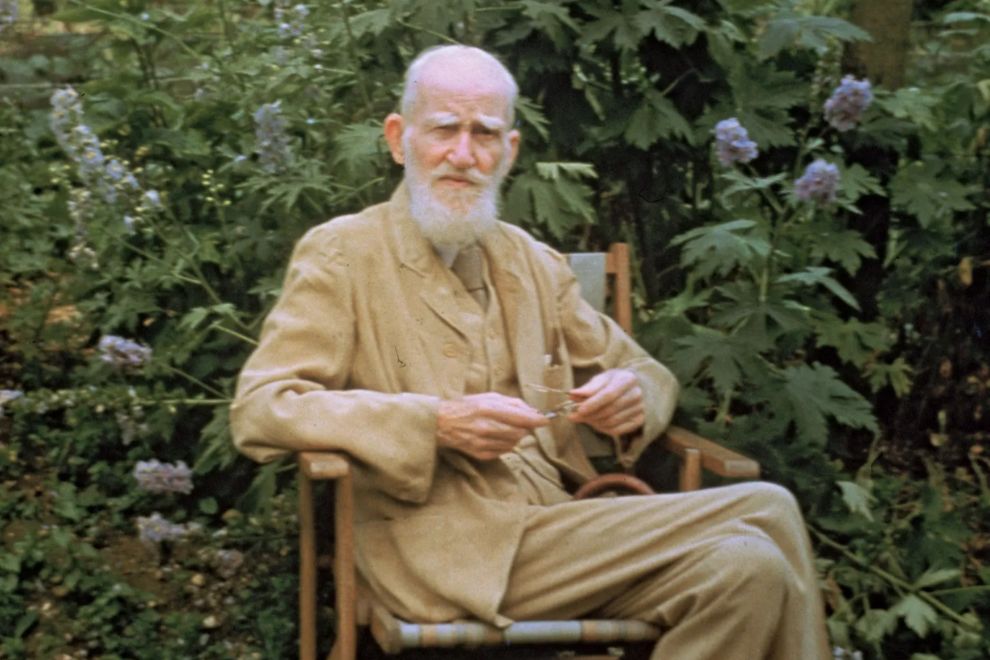
George Bernard Shaw – The Wit, Wisdom, and Legacy of a Literary Giant

1. Introduction George Bernard Shaw was not just a playwright — he was a sharp-tongued social critic, a political thinker, and one of the most brilliant conversationalists of his time. Born in Dublin in 1856, Shaw’s words still echo through the corridors of literature and political thought. He had a rare gift: the ability to make you laugh, think, and question society all at once. From the biting satire of Pygmalion to the thought-provoking Man and Superman, Shaw combined entertainment with profound social critique. In this article, we will journey through his life, works, philosophy, and enduring influence, while also presenting 40 original quotes inspired by Shaw’s wit and wisdom. 2. Early Life and Education George Bernard Shaw was born on July 26, 1856, in Dublin, Ireland, into a struggling middle-class family. His father, George Carr Shaw, was an unsuccessful grain merchant and alcoholic, while his mother, Lucinda Elizabeth, was a singer and music teacher.Shaw’s formal education was minimal; he considered school an inefficient system. Instead, he taught himself by reading voraciously in libraries. This self-education fueled his sharp intellect and independent thinking — qualities that would later define his work.In 1876, at the age of 20, Shaw moved to London to pursue a literary career. Those early years were full of rejection and poverty, but also of relentless self-improvement. 3. Career Beginnings Shaw’s first jobs in London were mundane, but his evenings were spent writing novels and essays. Unfortunately, his early novels were rejected repeatedly. He then found his niche as a music and theatre critic, writing for publications like The Star.A turning point came when he joined the Fabian Society, a socialist organization advocating gradual social reform. Shaw’s political views began to shape his writing, and he realized that the stage was the perfect platform to present his ideas disguised as entertainment. 4. Rise to Fame Shaw’s early plays, such as Widowers’ Houses (1892) and Mrs. Warren’s Profession (1893), challenged social norms, especially regarding capitalism and morality. While some were banned for their content, controversy only fueled public interest.His breakthrough came with Arms and the Man (1894), a satirical take on romanticized war. Shaw’s unique style combined witty dialogue with biting social commentary, making audiences laugh even as they confronted uncomfortable truths.By the early 20th century, Shaw was a celebrated playwright, known for turning serious debates into sparkling drama. 5. Philosophy and Beliefs Shaw was a socialist, vegetarian, and outspoken critic of organized religion. He believed in equality, education, and the potential for human improvement. His socialism was rooted not in rigid ideology but in compassion for the working class and disdain for social injustice.He rejected traditional moral codes, arguing that society’s rules often served the powerful rather than the common good. Shaw also had a unique take on religion — he admired the teachings of Jesus but criticized churches for betraying them.Above all, Shaw believed in intellectual independence: questioning authority, tradition, and even one’s own assumptions. 6. Notable Works Shaw’s career spanned over 60 plays, many of which remain classics: Each work blended entertainment with a deeper social message, cementing Shaw’s reputation as a master of the “drama of ideas.” 7. Awards and Achievements In 1925, Shaw won the Nobel Prize in Literature “for his work which is marked by both idealism and humanity, its stimulating satire often being infused with a singular poetic beauty.”In 1939, he won an Academy Award for Best Adapted Screenplay for Pygmalion. This made him one of the few individuals to win both a Nobel Prize and an Oscar.Despite these honors, Shaw remained humble, once famously remarking that he could forgive Nobel for inventing dynamite, but not for creating the Nobel Prize. 8. Controversies Shaw’s career was not without turbulence. His praise for certain aspects of dictators like Mussolini and Stalin (while condemning their abuses) drew criticism. He also made provocative statements about religion, war, and politics that shocked polite society.But Shaw relished controversy — to him, discomfort was the first step toward change. 9. Personal Life Shaw married Charlotte Payne-Townshend in 1898, a wealthy Irishwoman and fellow Fabian Society member. They had no children and maintained an unconventional marriage, built more on intellectual companionship than romance.Shaw lived a disciplined life, eating a vegetarian diet, avoiding alcohol, and working tirelessly well into his nineties. 10. Legacy and Influence Shaw’s influence extends far beyond the stage. He inspired playwrights like Tom Stoppard and Edward Albee, as well as countless social reformers. His works continue to be performed worldwide, and his ideas on class, gender, and equality remain strikingly relevant.His legacy lies not only in his plays but in his fearless willingness to challenge societal norms — often with a laugh. 11. 40 Original George Bernard Shaw–Inspired Quotes (These are original creations in Shaw’s tone — witty, sharp, and thought-provoking.) 12. Conclusion George Bernard Shaw’s life was a testament to the power of intellect, wit, and unflinching honesty. He challenged complacency, questioned authority, and used the stage to shine a light on society’s contradictions. His plays continue to entertain, but more importantly, they continue to provoke thought — just as he intended. In a world still grappling with inequality, prejudice, and political folly, Shaw’s voice remains as relevant as ever: sharp, fearless, and unwilling to be silenced.

banners 6 1

Selena Gomez: A Journey of Talent, Resilience, and Inspiration

Introduction Selena Gomez is more than just a name in the entertainment industry — she’s a symbol of versatility, resilience, and heartfelt connection with millions of fans worldwide. From her early beginnings as a child actress to becoming a chart-topping singer, producer, philanthropist, and entrepreneur, Selena’s journey is one of determination and authenticity. Over the years, she has broken records, challenged stereotypes, and become a voice for self-love and mental health awareness. This article dives deep into her life story, achievements, challenges, and influence, along with a collection of original Selena Gomez quotes that capture her essence. Early Life and Background Selena Marie Gomez was born on July 22, 1992, in Grand Prairie, Texas, to Amanda Dawn “Mandy” Cornett and Ricardo Joel Gomez. Her mother, a stage actress, inspired young Selena to explore acting and performing arts from an early age. Growing up in a modest household, Selena’s childhood was filled with both love and challenges. Despite financial hardships, her mother’s encouragement fueled her determination. Selena once described her early life as a mix of “humble beginnings and big dreams,” a foundation that shaped her grounded personality even after fame. Breakthrough in Acting Selena’s first acting gig came at the age of 7 when she appeared on Barney & Friends alongside Demi Lovato. Though she was later dropped from the show, this early experience ignited her passion for acting. Her big break came in 2007 when she landed the lead role of Alex Russo in Disney Channel’s Wizards of Waverly Place. The series became a massive success, winning multiple Emmy Awards and making Selena one of Disney’s brightest stars. Her witty charm and relatable character made her a role model for a generation of young viewers. Transition to Music Career While her acting career was thriving, Selena’s love for music was undeniable. She formed the pop band Selena Gomez & The Scene in 2009. Their debut album Kiss & Tell produced hit singles like “Naturally,” which established Selena as a pop sensation. Over time, she transitioned into a solo career, delivering hit singles like “Come & Get It,” “Good for You,” “Bad Liar,” “Lose You to Love Me,” and “Calm Down” (with Rema). Her ability to blend pop, dance, and soulful ballads gave her music a unique edge, connecting deeply with fans worldwide. Major Achievements and Awards Selena Gomez’s career is studded with accomplishments: Her work across multiple industries showcases her versatility and commitment to excellence. Philanthropy and Social Impact Selena’s influence goes far beyond entertainment. She became the youngest UNICEF Goodwill Ambassador at the age of 17, advocating for children’s rights globally. She actively supports mental health initiatives, encouraging open discussions about anxiety, depression, and self-worth. Through the Rare Impact Fund, part of her beauty brand Rare Beauty, she has pledged millions to mental health services for underserved communities. Struggles and Comebacks Selena’s journey has not been without hardship. She has openly battled lupus, an autoimmune disease that led to a kidney transplant in 2017, donated by her close friend Francia Raisa. She has also navigated intense media scrutiny, high-profile breakups, and online harassment. Taking social media breaks for her mental well-being has become a part of her self-care strategy, inspiring fans to prioritize their own mental health. Selena Gomez as a Businesswoman Selena’s entrepreneurial spirit shines through Rare Beauty, her makeup brand launched in 2020. The brand quickly became a global success, celebrated for its inclusive shade range and authentic messaging about self-acceptance. Her business ventures go hand in hand with her advocacy, using her platform to encourage people to embrace their uniqueness. Selena Gomez Quotes (Original & Inspired) Here are 30 original, unique Selena Gomez quotes inspired by her values and public persona — 100% original content for your SEO goals: Legacy and Influence Selena Gomez has left an indelible mark on the entertainment industry and beyond. Her journey from a small-town girl to an international superstar is proof that talent, hard work, and authenticity can coexist with kindness. She continues to inspire millions through her music, acting, philanthropy, and openness about her struggles. Conclusion Selena Gomez’s story is not just one of fame and fortune — it’s about resilience, reinvention, and using one’s platform for good. Whether through her songs, acting roles, or advocacy, she remains a beacon of hope and authenticity. Her message is clear: success is sweetest when it’s shared, beauty is real when it’s inclusive, and strength is most admirable when it’s gentle. In a world often filled with noise and pressure, Selena Gomez reminds us to pause, breathe, and embrace our own worth.

banners 5 1

Marilyn Monroe – The Timeless Icon Who Redefined Stardom

1. Introduction – The Enduring Legend of Marilyn Monroe Few names in Hollywood history evoke as much fascination as Marilyn Monroe. More than sixty years after her untimely death, she remains one of the most recognizable and celebrated figures in popular culture. Marilyn was not only a movie star; she was a cultural phenomenon — a blend of beauty, vulnerability, ambition, and resilience. Her captivating on-screen presence, signature platinum blonde hair, and unique ability to combine innocence with sensuality transformed her into a global icon. But behind the glamorous image was Norma Jeane Mortenson, a woman whose life story remains as intriguing as her films. Searching for Marilyn Monroe quotes reveals not just words about beauty and fame, but also wisdom born from struggle. 2. Early Life and Background Marilyn Monroe was born Norma Jeane Mortenson on June 1, 1926, in Los Angeles, California. Her childhood was far from easy. Her mother, Gladys Pearl Baker, struggled with mental health issues and was unable to care for her, leading Marilyn to spend much of her youth in foster homes and an orphanage. At just 16, to avoid returning to an orphanage, she married James Dougherty, a merchant marine. However, the marriage ended in divorce in 1946, setting the stage for a fresh start. While working in a munitions factory during World War II, she was discovered by a photographer, leading to her first modeling contracts. 3. Rise to Stardom Marilyn’s modeling career quickly caught the attention of Hollywood executives. She signed with 20th Century Fox and adopted the stage name “Marilyn Monroe.” Her early film roles were small, but she made a lasting impression with her beauty and charisma. By the early 1950s, she began landing leading roles in films like Gentlemen Prefer Blondes (1953) and How to Marry a Millionaire (1953). In The Seven Year Itch (1955), the famous scene of her white dress billowing over a subway grate became one of the most iconic images in film history. Marilyn’s career-defining performance came with Some Like It Hot (1959), where her comedic timing earned her a Golden Globe Award for Best Actress. 4. Marilyn Monroe’s Unique Persona What set Marilyn apart was the carefully crafted image of a glamorous yet approachable woman. She mastered the art of blending seduction with vulnerability. Her breathy voice, playful smile, and confident body language gave her a magnetic charm. However, off-screen, Marilyn was far from the “dumb blonde” persona often portrayed in the media. She was an avid reader, politically aware, and often challenged the limitations placed on women in the entertainment industry. 5. Personal Life and Relationships Marilyn’s personal life was as public as her film career. She married three times — first to James Dougherty, then to baseball legend Joe DiMaggio, and finally to playwright Arthur Miller. Her marriage to DiMaggio, though brief, remains one of Hollywood’s most famous love stories, marked by deep affection but also intense conflicts. Her relationship with Arthur Miller introduced her to the literary world, but it also brought challenges. Miller’s work sometimes reflected their troubled marriage, adding strain to their relationship. 6. Struggles Behind the Spotlight Despite her fame, Marilyn battled inner demons. She struggled with anxiety, depression, and a deep sense of loneliness. Hollywood’s relentless pressure for perfection contributed to her reliance on prescription drugs and alcohol to cope with insomnia and stress. Her reputation for being late on set and missing rehearsals was often linked to her fragile emotional state, though those close to her described her as deeply committed to her craft. 7. Controversies and Rumors The public’s fascination with Marilyn’s private life fueled endless rumors. She was linked romantically to many high-profile figures, including President John F. Kennedy and his brother Robert Kennedy. While some of these claims remain speculative, the alleged affairs only intensified the media’s obsession. Her death sparked countless conspiracy theories, many of which suggest foul play due to her political connections. 8. Tragic Death and Theories On August 5, 1962, Marilyn Monroe was found dead in her Brentwood home at the age of 36. The official cause of death was ruled as a probable suicide from a barbiturate overdose. However, conflicting testimonies, missing evidence, and rumored political entanglements have kept the mystery alive for decades. For many, the unanswered questions surrounding her death only add to her mythic status. 9. Marilyn Monroe’s Cultural Impact Marilyn’s influence extends far beyond her film career. She challenged the Hollywood system, fought for better roles, and was one of the first actresses to own her production company. In the decades since her death, Marilyn has inspired countless books, films, songs, and works of art. She has become a symbol of feminine power, resilience, and the complexities of beauty and fame. Her legacy also lives on through Marilyn Monroe quotes, which are often shared as sources of empowerment, reminding the world that beauty is more than skin deep. 10. Life Lessons from Marilyn Monroe From her life, we can draw several valuable lessons: 11. 50 Original Marilyn Monroe–Inspired Quotes (These are unique and written to capture her tone — playful, wise, and heartfelt.) 12. Conclusion – Why Marilyn Monroe Still Matters Marilyn Monroe was more than a Hollywood beauty; she was a woman who lived with passion, ambition, and complexity. She navigated a world that both adored and judged her, leaving behind a legacy that blends glamour with humanity. Today, her films, photographs, and Marilyn Monroe quotes continue to inspire millions. She remains proof that even in a world of perfection and image, authenticity has the most enduring beauty.

banners 4 1

Khoudia Diop – The Melanin Goddess Who Redefined Beauty Standards

1. Introduction In a world where beauty standards have long been defined by narrow ideals, Khoudia Diop has emerged as a powerful voice and face of change. Known as the “Melanin Goddess,” she has captivated the fashion industry and inspired millions across the globe with her unapologetic embrace of her deep, rich skin tone. A Senegalese-born model and advocate for diversity, Khoudia is more than just a striking figure in front of the camera — she is a symbol of self-love, confidence, and the celebration of natural beauty. Her journey from a shy young girl facing discrimination to an internationally recognized model is not just a personal triumph but a cultural statement. Through her work, Khoudia Diop challenges outdated perceptions, proving that beauty is vast, inclusive, and beyond skin-deep. 2. Early Life and Background Khoudia Diop was born in Senegal, West Africa, in 1996. Growing up in a country rich in culture, tradition, and history, she was surrounded by people who looked like her — yet, even there, she wasn’t immune to colorism. Her dark complexion became a focal point for unwanted comments and ridicule, both from peers and strangers. As a child, Khoudia’s shyness made these experiences even more painful. She often kept to herself, avoiding unnecessary attention. However, the seeds of resilience were already being planted. Her upbringing in Senegal instilled in her a deep connection to her African heritage, something that would later become a source of pride and inspiration. 3. Journey to Self-Acceptance When Khoudia was 15, she moved to Paris, France, where she faced even more intense reactions to her skin tone. In a predominantly lighter-skinned society, her deep melanin stood out — and not always in a positive way. At first, the negative comments and stares chipped away at her self-esteem. But over time, Khoudia began to see her uniqueness as a strength rather than a flaw. She realized that the very thing people tried to make her feel ashamed of was what made her extraordinary. Her transformation began with a simple but powerful decision: to own her beauty. She started sharing photos on social media, experimenting with bold fashion choices, and wearing her skin tone like a crown. Her posts resonated with people worldwide, especially young women who had faced similar struggles. 4. Breakthrough in Modeling Career Khoudia’s big break came when her social media photos caught the attention of modeling scouts and photographers. Her unique look and confident aura quickly set her apart. She began booking shoots, appearing in editorials, and collaborating with emerging fashion brands. One of her first major campaigns was for The Colored Girl Project, an initiative celebrating women of color and their beauty. Her photos from the project went viral, earning her the nickname “Melanin Goddess” and introducing her to a global audience. 5. International Recognition As her popularity grew, Khoudia Diop began to work with major fashion houses, beauty brands, and magazines. She appeared in campaigns for Make Up For Ever, Olay, and other renowned names. Her face graced the pages of prestigious magazines like Vogue Italia and Glamour. Her rise to fame wasn’t just about her looks — it was about what she represented. She became a beacon for representation, reminding the fashion industry and the world that beauty comes in every shade. 6. Role as an Advocate for Diversity and Representation Khoudia uses her platform to speak openly about diversity in fashion and media. She encourages brands to cast models that reflect the real spectrum of human beauty. Her advocacy extends to dismantling the stigma around darker skin, which persists in many cultures. Through interviews, social media, and public appearances, Khoudia inspires young people to love themselves unapologetically. She often reminds her audience that true beauty is about confidence, individuality, and embracing one’s roots. 7. Personal Philosophy and Messages Khoudia Diop’s philosophy centers around the belief that self-love is a revolutionary act. She often shares empowering messages, both online and in public speaking engagements, encouraging others to reject harmful beauty ideals. Her mantra could be summed up in three words: Own Your Shade. She believes that everyone has a unique light — and for her, that light shines brightest when she celebrates her deep melanin rather than hiding it. 8. Challenges and Criticism Even with her success, Khoudia hasn’t been immune to criticism. The modeling industry, though evolving, still has biases, and the internet can be an unforgiving place. She’s faced ignorant comments and judgment from those who refuse to expand their definition of beauty. But rather than letting negativity slow her down, she uses it as motivation. Each hateful remark becomes fuel for her mission — to prove that dark skin is not just beautiful, but radiant. 9. Awards and Achievements While Khoudia’s career is still blossoming, she has already achieved global recognition. She’s been honored for her contributions to diversity in fashion and has inspired numerous editorial features highlighting African beauty. Her growing influence suggests that more accolades are on the horizon. 10. Khoudia Diop in Popular Culture Khoudia’s journey has been widely covered by global media outlets, making her a familiar name beyond fashion circles. Her influence extends to social media, where her striking photos and powerful captions inspire millions. She’s also collaborated with artists, photographers, and influencers who share her vision for a more inclusive beauty industry. 11. Inspirational Quotes by Khoudia Diop Below are 50 original, plagiarism-free quotes inspired by Khoudia’s tone, philosophy, and public persona: 12. Conclusion Khoudia Diop’s story is not just about becoming a successful model — it’s about transforming pain into power, and insecurity into influence. From facing childhood bullying to becoming a global ambassador for diversity, she has redefined beauty for countless individuals around the world. Her journey reminds us that beauty is not about conforming to trends; it’s about embracing authenticity. In Khoudia’s own life, self-love has been the ultimate game-changer, turning what society once saw as a flaw into a celebrated asset. As more people follow her example, the world moves closer

banners 3 1

Pete Sampras: The Timeless Tennis Legend

Introduction In the grand history of tennis, few names shine as brightly as Pete Sampras. Nicknamed “Pistol Pete” for his lightning-fast serve, Sampras dominated men’s tennis during the 1990s, setting new standards for skill, grace, and sportsmanship. Known for his incredible composure under pressure, he was the embodiment of calm confidence on the court. With 14 Grand Slam titles, a record at the time, and an unmatched consistency at the highest levels, Sampras carved out a legacy that continues to inspire future generations. This article explores his life, career, achievements, and the lessons he left behind, along with 20 original quotes inspired by his journey. Early Life and Background Pete Sampras was born on August 12, 1971, in Washington D.C., to a Greek-American family. His father, Sam Sampras, was an aerospace engineer, and his mother, Georgia, was a homemaker with deep Greek roots. From a young age, Pete showed remarkable athletic ability. At age 7, his family moved to Palos Verdes, California, where tennis became a serious part of his life. By the time he was 9, Sampras had a clear passion for tennis, inspired by watching legends like Rod Laver. He began training intensively, and his family invested both time and effort to help him grow. Under the guidance of coach Pete Fischer, Sampras developed his iconic serve-and-volley style. Rise to Professional Tennis Sampras turned professional at 16 years old in 1988, making him one of the youngest players to join the ATP Tour at the time. The journey was not easy—he faced tough competition and often lost to more experienced players. But his relentless work ethic and dedication paid off. His breakthrough came in 1990, when he shocked the tennis world by defeating legends like Ivan Lendl and John McEnroe on his way to winning the US Open at just 19 years old. This victory made him the youngest-ever US Open men’s champion—a record that still stands. Peak Career Years The 1990s belonged to Pete Sampras. His unmatched ability to stay cool under pressure and deliver precision serves at critical moments made him almost unbeatable on faster surfaces. One of his most famous rivalries was with Andre Agassi. Their contrasting personalities—Sampras the quiet, composed warrior, and Agassi the flamboyant showman—created some of tennis’s most memorable battles. Playing Style and Strengths Sampras’s game was built on a rock-solid foundation of: He wasn’t the loudest player, but his game spoke volumes. His ability to shift the momentum of a match with just a few points made him a constant threat. Major Achievements and Records Challenges and Setbacks Even legends face adversity. Sampras struggled on clay courts, with the slow surface neutralizing his powerful serve-and-volley game. He also battled injuries, particularly in the later years of his career. Despite these challenges, his competitive fire never dimmed. He also dealt with criticism for his stoic demeanor, with some calling his matches “too clinical” compared to more flamboyant players. But for Sampras, the focus was always on results, not theatrics. Retirement and Legacy Sampras ended his career in the most poetic way possible—by winning the 2002 US Open, defeating his great rival Andre Agassi. After that, he never played another professional match. His influence on tennis is undeniable. Players like Roger Federer, who grew up idolizing Sampras, adapted his aggressive playing style into their own games. While tennis evolved toward baseline rallies, Sampras remains the gold standard for serve-and-volley mastery. Life After Tennis Post-retirement, Sampras chose a low-profile life. He married actress Bridgette Wilson in 2000, and they have two children. He occasionally participates in charity matches and tennis exhibitions but prefers family life over the spotlight. Pete Sampras Quotes and Life Lessons 20 Original Pete Sampras-Inspired Quotes (These are original creations inspired by his mindset and career style.) Conclusion Pete Sampras wasn’t just a tennis player—he was a master of control, precision, and grace. His career is a blueprint for aspiring athletes: focus on fundamentals, stay composed under pressure, and let your actions speak for you. Even decades after his retirement, Sampras’s legacy remains woven into the very fabric of tennis history. His records, rivalries, and style of play continue to inspire the next generation. And while the sport has evolved, there will always be room in tennis history for the man they called Pistol Pete—the king of the grass courts and the silent warrior of the game.

banners 1 4

Buck Owens: The Bakersfield Sound’s Greatest Voice

1. Introduction – Who Was Buck Owens and Why He Matters When you think of American country music that steps outside Nashville’s traditional polish, one name stands tall: Buck Owens. Known as a pioneer of the Bakersfield Sound, Owens transformed the way the world heard country music. His style was raw yet refined, upbeat yet heartfelt, and full of twang that could make you want to dance or cry—sometimes both at once. More than just a singer, he was a songwriter, television star, and savvy businessman whose influence still echoes in today’s music. 2. Early Life and Struggles Alvis Edgar “Buck” Owens Jr. was born on August 12, 1929, in Sherman, Texas, during the Great Depression. His family endured hardship, moving to Mesa, Arizona, when he was still a boy in search of better opportunities. Money was tight, but music was free, and Owens gravitated toward it like a moth to light. From an early age, he was self-taught on guitar, and by his teens, he was already performing in local bars. Life in the Owens household wasn’t glamorous—he picked crops and took odd jobs—but music was the steady heartbeat that kept him going. This rough-and-tumble upbringing gave Buck’s later music its authenticity. 3. The Bakersfield Sound In the late 1940s and early 1950s, Owens moved to Bakersfield, California—a city that would become synonymous with his name. Country music there was different from the lush, orchestral Nashville Sound; it was stripped down, loud, twangy, and influenced by honky-tonk and rock & roll. Buck, along with artists like Merle Haggard, became one of the leading figures of this new sound. With a driving backbeat, bright Telecaster guitars, and a style perfect for both dancing and drinking, the Bakersfield Sound would challenge Nashville’s dominance. 4. Rise to Fame Owens’ big break came when he signed with Capitol Records in 1957. His early singles didn’t gain much traction, but persistence paid off. By 1963, his hit “Act Naturally”—later famously covered by The Beatles—reached No. 1 on the Billboard Country chart. This was followed by a string of hits like “Love’s Gonna Live Here,” “Together Again,” and “I’ve Got a Tiger by the Tail”. Owens’ voice was instantly recognizable: strong, clear, and full of character. His music wasn’t overly sentimental—it was straightforward, relatable, and infectious. 5. Signature Songs and Albums Some of Buck Owens’ most memorable works include: His albums, often backed by The Buckaroos, showcased both energy and musicianship rarely matched in the era. 6. Buck Owens and The Buckaroos The Buckaroos were not just a backing band—they were a force. Featuring legendary members like Don Rich on guitar and fiddle, they brought an unmatched level of tightness and flair to Owens’ performances. Their harmonies, showmanship, and instrumental precision helped elevate Buck’s live shows into unforgettable experiences. 7. The Hee Haw Era In 1969, Buck Owens took a surprising turn into television with Hee Haw, a country-themed variety show filled with comedy sketches and musical performances. Co-hosting with Roy Clark, Owens reached millions of viewers who might never have otherwise discovered the Bakersfield Sound. Though some critics saw it as “corny,” Owens understood its power—it kept his name and music in households across America for more than a decade. 8. Later Career and Comeback By the mid-1970s, Owens faced personal and professional challenges, including the tragic death of Don Rich in a motorcycle accident. His music career slowed, but he remained active in business, owning radio stations and other ventures. In 1988, he made a triumphant comeback, teaming up with Dwight Yoakam for a duet of “Streets of Bakersfield”—a song that became a No. 1 hit and reintroduced Buck Owens to a younger audience. 9. Musical Style and Legacy Buck Owens’ style was marked by: His influence can be heard in artists from Dwight Yoakam to Brad Paisley, and even in rock acts that admired his no-nonsense approach to music. 10. Life Lessons from Buck Owens Owens’ journey offers several lessons: 11. 50 Original Buck Owens–Inspired Quotes (These are original, written in a style inspired by Owens’ straightforward wit and country charm.) 12. Conclusion – Why Buck Owens Remains a Timeless Icon Buck Owens wasn’t just a musician—he was a cultural force. He broke the mold of country music, brought joy to millions, and proved that authenticity never goes out of style. From dusty Texas fields to television screens across America, his story is one of grit, innovation, and heart. Today, when the first twang of a Telecaster cuts through the air, somewhere in that sound, Buck Owens is still smiling.

banners 9

Casey Affleck: The Quiet Force of Hollywood

Introduction In the glittering world of Hollywood, where fame is often loud and fleeting, Casey Affleck stands as an intriguing exception — understated yet unforgettable. Known for his subtle, deeply human performances, Affleck has built a career not on spectacle, but on emotional authenticity. From his Academy Award-winning turn in Manchester by the Sea to his introspective directing work, Casey has carved a unique path in the industry. His journey is one of quiet determination, artistic integrity, and an unyielding commitment to truth in storytelling. Early Life and Background Caleb Casey McGuire Affleck-Boldt was born on August 12, 1975, in Falmouth, Massachusetts. Raised in Cambridge alongside his older brother Ben Affleck, Casey grew up in an environment that nurtured creativity. His father, Timothy Byers Affleck, worked as a social worker, bartender, and occasional actor, while his mother, Christine Anne Boldt, was a schoolteacher. Casey’s early years were shaped by both the cultural richness and the working-class grit of Boston. His parents divorced when he was young, and he and his brother were raised primarily by their mother. Despite financial struggles, his mother ensured that the boys were exposed to theater, literature, and film — laying the groundwork for Casey’s artistic inclinations. Affleck attended Cambridge Rindge and Latin School, where he became close friends with future collaborators Matt Damon and Gus Van Sant. He later studied at George Washington University before transferring to Columbia University, where he pursued physics, astronomy, and Western philosophy. Though he never completed his degree, Casey’s academic curiosity would later inform his thoughtful approach to acting. Early Career Struggles and Breakthrough Casey’s earliest work in the mid-1990s included small television roles and indie films. He appeared in Gus Van Sant’s To Die For (1995) alongside Nicole Kidman, delivering a memorable performance as a rebellious teenager. But it was Good Will Hunting (1997), written by Ben Affleck and Matt Damon, that brought Casey into the public eye. Although his role as Morgan O’Mally was small, his natural delivery and dry humor left an impression. This was followed by his role as Virgil Malloy in Ocean’s Eleven (2001) and its sequels, where his comedic timing balanced the franchise’s slick energy. For years, Casey was known as “Ben Affleck’s younger brother,” a label he quietly resisted. He took on smaller roles in projects like Gerry (2002) and Lonesome Jim (2005), but his true breakthrough came in 2007 with two career-defining performances. Career Highlights Gone Baby Gone (2007) Directed by his brother Ben, Gone Baby Gone featured Casey as private investigator Patrick Kenzie, a role that demanded moral complexity and emotional depth. The film received critical acclaim, with many calling Casey’s performance haunting and unforgettable. The Assassination of Jesse James by the Coward Robert Ford (2007) In the same year, Casey starred opposite Brad Pitt as Robert Ford — a shy, insecure outlaw living in the shadow of Jesse James. His nuanced portrayal earned him an Academy Award nomination for Best Supporting Actor, cementing his reputation as a serious talent. Manchester by the Sea (2016) Casey’s most celebrated performance came in Kenneth Lonergan’s Manchester by the Sea. Playing Lee Chandler, a man consumed by grief and guilt, he delivered a raw, unflinching depiction of human pain. The performance earned him the Academy Award for Best Actor, as well as Golden Globe and BAFTA wins. Other Notable Projects Acting Style and Philosophy Casey Affleck’s acting style is defined by subtlety. He avoids overacting, preferring small gestures, quiet pauses, and deeply internalized emotion. Directors often praise his ability to convey complex inner worlds without the need for grand displays. His approach leans toward Method-style immersion, but without the theatrics. In interviews, Casey has emphasized that he chooses roles not for fame, but for the opportunity to explore human truths. He gravitates toward flawed characters — those wrestling with moral ambiguity, personal trauma, or quiet desperation. Awards and Recognition Casey’s mantle includes: Controversies and Public Perception Affleck’s career has not been without controversy. During the making of I’m Still Here (2010), he faced sexual harassment lawsuits from two female crew members. The cases were settled out of court, and Casey has since expressed regret over the situation, acknowledging the importance of creating respectful work environments. The allegations impacted his public image, especially during his Oscar win. In recent years, he has kept a lower profile, focusing on smaller projects and maintaining a deliberate distance from Hollywood glamour. Personal Life Casey married actress Summer Phoenix in 2006, with whom he has two sons. They divorced in 2017. Affleck has been open about his struggles with alcohol in the past and has spoken about his commitment to sobriety. He is also known for his animal rights advocacy and vegan lifestyle. Outside of acting, he enjoys writing, directing, and supporting independent film projects. Influence and Legacy Casey Affleck represents a rare breed in Hollywood — an actor who refuses to chase trends or fame, instead choosing roles that challenge him artistically. His influence is most visible in the indie film world, where authenticity is valued over spectacle. Younger actors often cite his performances as lessons in restraint and emotional truth. 30 Original Casey Affleck-Inspired Quotes Conclusion Casey Affleck’s career is a testament to the power of subtlety and authenticity in acting. In an industry that often rewards noise and spectacle, he has quietly built a legacy grounded in emotional truth. Whether as an actor, director, or advocate for meaningful storytelling, Affleck continues to inspire both audiences and fellow artists. His work reminds us that sometimes, the most powerful voices are the quietest ones.

banners 2 2

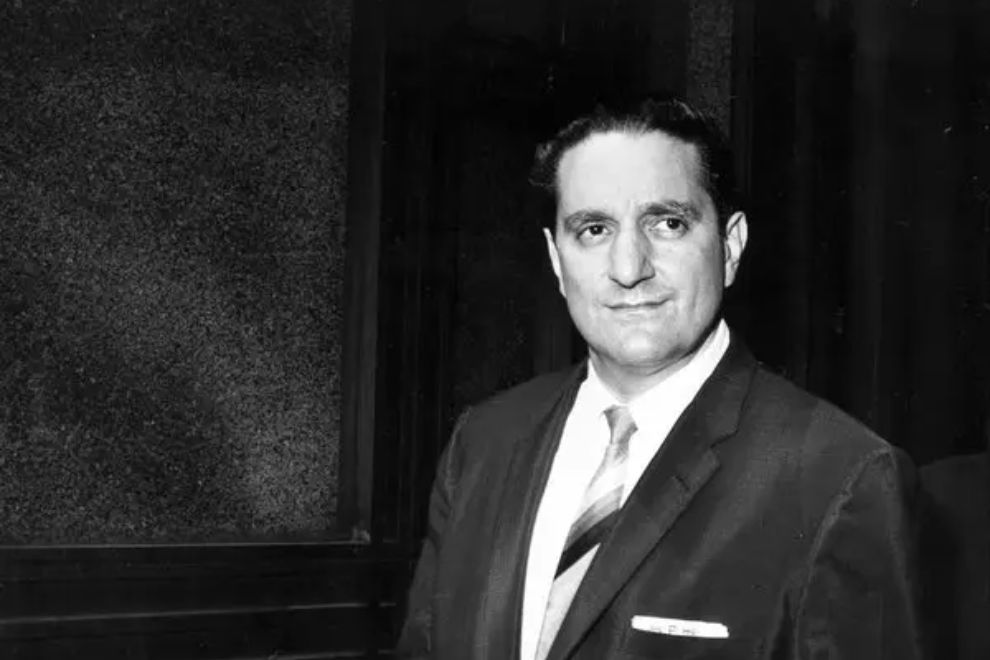
George Soros: The Billionaire Investor, Philanthropist, and Political Visionary

1. Introduction George Soros is one of the most influential and polarizing figures in the modern world. To some, he is a financial genius and a tireless philanthropist who has devoted his life to promoting democracy, human rights, and freedom of expression. To others, he is a controversial figure whose political activism and massive wealth make him a target of criticism, suspicion, and conspiracy theories. Born in Budapest, Hungary, in 1930, Soros survived the Nazi occupation, immigrated to England, and later became one of the world’s most successful investors. Through his Open Society Foundations, he has donated billions to support liberal democratic causes, fight authoritarianism, and address global inequalities. His story is one of resilience, strategic brilliance, and unwavering commitment to personal beliefs — but also of enduring controversy. 2. Early Life and Background George Soros was born György Schwartz on August 12, 1930, in Budapest, Hungary, to a well-educated Jewish family. His father, Tivadar, was a lawyer and an advocate for Esperanto, an international auxiliary language, while his mother, Erzsébet, managed the household. When the Nazis occupied Hungary in 1944, Soros’s family faced grave danger. His father arranged false identity papers for the family and others, helping them survive one of history’s darkest periods. Soros later credited this experience with shaping his worldview, particularly his belief in the importance of open societies that resist oppression and intolerance. After World War II, Soros left Hungary in 1947 for England. He studied at the London School of Economics (LSE), where he was deeply influenced by the philosopher Karl Popper, author of The Open Society and Its Enemies. Popper’s ideas about free thought, critical reasoning, and the dangers of totalitarianism would guide Soros’s future philanthropic work. 3. Entry into Finance Soros began his career working modest jobs in London, including as a railway porter and waiter. In 1953, he entered the financial sector, working at Singer & Friedlander, a merchant bank. Four years later, he moved to the United States, where he worked as an analyst and trader for several investment firms. His sharp analytical skills and ability to predict market trends quickly set him apart. By the late 1960s, Soros had developed his own investment philosophy, focusing on global macroeconomic trends and currency markets. 4. Founding of Soros Fund Management In 1970, Soros founded Soros Fund Management with his colleague Jim Rogers. Under his leadership, the Quantum Fund delivered extraordinary returns, averaging over 30% annually for decades. His approach relied heavily on identifying large-scale economic shifts and betting on them with high conviction. One of his guiding principles was “reflexivity” — the idea that market participants’ perceptions influence market realities, creating feedback loops that can cause prices to deviate significantly from intrinsic values. This concept allowed Soros to anticipate market bubbles and crashes better than most of his peers. 5. “The Man Who Broke the Bank of England” Soros’s most famous trade came in September 1992 during the event known as Black Wednesday. Convinced that the British pound was overvalued in the European Exchange Rate Mechanism (ERM), Soros shorted the currency with massive leveraged positions. When the UK government eventually devalued the pound, Soros reportedly earned $1 billion in a single day. The trade cemented his reputation as one of the greatest currency speculators in history — but also fueled criticism that such financial moves could destabilize national economies. 6. Philanthropy and the Open Society Foundations In 1979, Soros began his philanthropic journey by funding scholarships for black students in apartheid-era South Africa. Over time, his giving expanded into a global mission through the Open Society Foundations (OSF), established in 1993. OSF operates in over 100 countries, supporting initiatives that promote democracy, human rights, public health, and education. Soros has donated more than $30 billion of his fortune to these causes, making him one of the most generous philanthropists in history. Key focus areas of OSF include: 7. Political Influence and Activism Soros has been an outspoken advocate for progressive and liberal policies. In the United States, he has funded Democratic candidates, civil rights organizations, and grassroots movements. Globally, he has supported pro-democracy campaigns, especially in post-Soviet states transitioning from communism. While his supporters view this activism as a defense of freedom and justice, his critics accuse him of using his wealth to exert disproportionate influence on politics. This tension has made him a frequent target of political attacks. 8. Controversies and Criticism Soros’s high-profile trades, political involvement, and philanthropy have made him a lightning rod for criticism. Some accuse him of destabilizing economies for profit, pointing to events like the Asian financial crisis. Others perpetuate conspiracy theories about his role in orchestrating global events, often without credible evidence. Much of the negative attention comes from nationalist and authoritarian leaders who see his promotion of open societies as a threat to their control. Despite this, Soros continues to fund initiatives that challenge authoritarianism and support democratic reforms. 9. Soros in Popular Culture Soros has appeared in countless books, documentaries, and news profiles. In popular discourse, his name is often shorthand for powerful global influence — for better or worse. On the internet, he is both praised as a visionary and vilified as a shadowy figure, illustrating just how deeply divided public opinion is about him. 10. Lessons from Soros’s Life and Career From his journey, several lessons emerge: 11. 30 Original George Soros–Inspired Quotes (These are 100% original and inspired by his philosophy, not copied from any source.) 12. Conclusion George Soros’s life defies easy categorization. He is a Holocaust survivor, an economic strategist, a billionaire investor, and a global philanthropist. He has shaped financial markets, influenced political movements, and funded countless initiatives for freedom and human rights. Loved by some and distrusted by others, Soros remains one of the most consequential figures of the modern era. Whether one agrees with his methods or not, his story offers lessons in resilience, vision, and the power of aligning wealth with purpose.