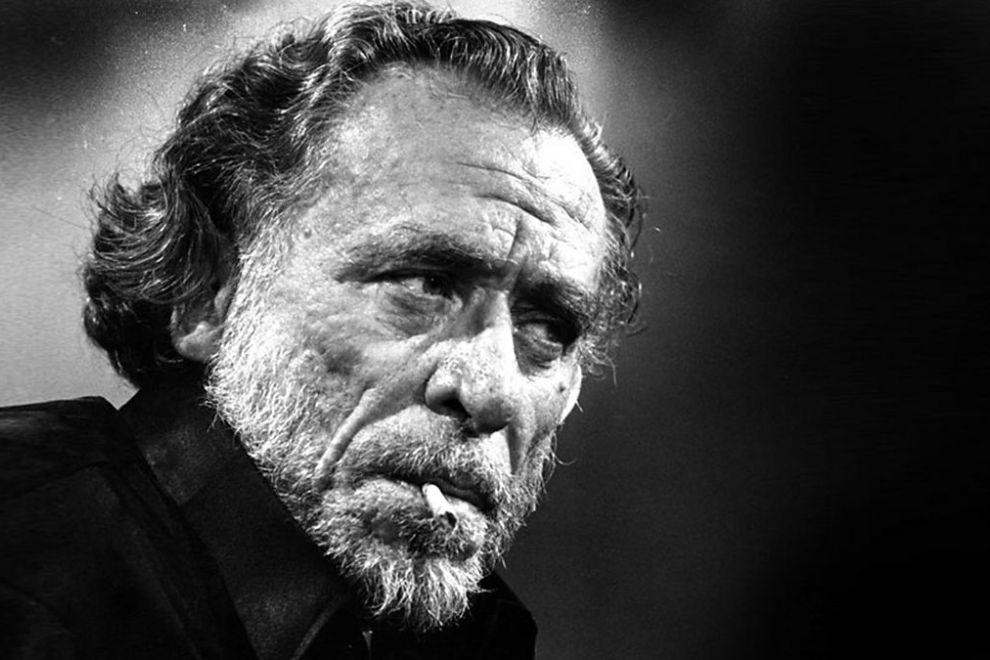
Charles Bukowski: The Gritty Poet of the Streets
Charles Bukowski (born Heinrich Karl Bukowski on August 16, 1920, in Andernach, Germany; died March 9, 1994, in San Pedro, California) carved a unique niche in 20th-century literature. Emigrating with his family to Los Angeles as a child, Bukowski endured poverty, bullying, and chronic illness—experiences that fueled his raw, confessional style. Rejecting academic pretension, he published over 45 books of poetry and prose, including landmark works like Post Office (1971), Women (1978), and the poetry collection Love Is a Dog from Hell (1977). Known for his vivid depictions of alcoholism, relationships, and life on society’s margins, Bukowski became the voice of the downtrodden, the disillusioned, and the unapologetically honest. 10 Charles Bukowski Quotes That Cut to the Bone Why Bukowski Still Resonates Today Bukowski’s unflinching honesty and stripped-down style speak to anyone who’s felt out of step with society. His work reminds us that beauty and truth often dwell in the rough edges of life—where pain, humor, and humanity intersect. Whether you’re a poet, novelist, or reader seeking solace, Bukowski’s words are a clarion call to embrace the raw, messy vitality of existence.