
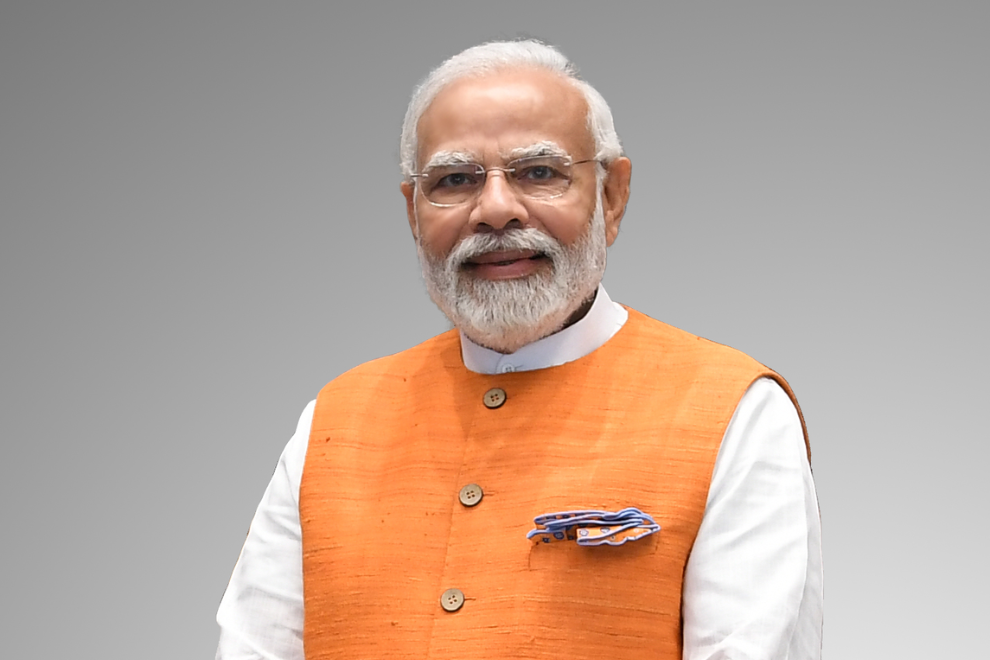
Narendra Modi Quotes: Vision, Leadership & Context (2500-Word Guide)
Narendra Modi, the Prime Minister of India, is one of the most influential and polarizing leaders of the 21st century. His journey—rising from humble beginnings to the helm of the world’s largest democracy—has been widely discussed and debated. Equally compelling is his use of rhetoric: in speeches, interviews, podcasts, and public addresses, Modi’s words reflect his worldview, priorities, and vision for India.In this detailed, 2500-word article, we will explore Narendra Modi quotes, understand their meaning, analyze their impact, and place them in the larger context of his political philosophy. This is not an endorsement or critique—but an educational exposition of his most notable statements.
Introduction: Why Narendra Modi’s Quotes Matter
Mass Appeal & Communication: Modi is a master communicator. His speeches reach millions via rallies, radio (Mann Ki Baat), and digital media — making his quotes widely circulated and influentia
Vision for India: Through his words, he projects a vision of “New India”: self-reliant, technologically advanced, united, and strong.
Ideological Influence: His quotes often combine nationalism, development economics, cultural identity, and global leadership.
Legacy & Criticism: While supporters celebrate his optimism and decisiveness, critics examine his rhetoric for nationalism, exclusion, or centralization of power.
By examining his quotes carefully, we gain insight into how Modi frames his message to the nation and to the world.
Key Narendra Modi Quotes with Context & Analysis
Here are some of his most powerful and frequently cited quotes, along with a deeper dive into what they mean and why they resonate.
2.1 “Our country does not lack capability. We only need to awaken it.”
Context & Meaning:
This quote encapsulates Modi’s conviction that India’s potential is enormous but underutilized. He often speaks about India’s latent strength — in human capital, demographic dividend, and cultural heritage.
Analysis:
Self-reliance & Confidence: By asserting that the problem is not capability but awakening, Modi encourages collective self-belief.
Development Focus: It aligns with his government’s push for “Aatmanirbhar Bharat” (self-reliant India).
Motivational Leadership: This quote works as a motivational device for both citizens and policymakers — to invest in education, infrastructure, and innovation.
2.2 “I am a small man who wants to do big things for small people.”
Context & Meaning:
Modi uses this line to highlight his personal humility and his commitment to marginalized or ordinary citizens.
Analysis:
Personal Narrative: Modi’s own rise from a modest background gives weight to the “small man” metaphor.
Inclusive Governance: He signals that his ambition is not for elite power, but for uplifting common people.
Political Messaging: This kind of quote builds a populist image, emphasizing service over privilege.
2.3 “Good governance with good intentions is the hallmark of our government. Implementation with integrity is our core passion.”
Context & Meaning:
Modi has repeatedly emphasized that governance isn’t just about policies but about how they are implemented—with honesty and purpose.
Analysis:
Integrity & Performance: He links good governance with moral values (“good intentions”) and effective execution (“implementation”).
Reform Agenda: This supports his broader agenda of administrative reforms, reducing corruption, and increasing transparency.
Value-Based Leadership: By foregrounding integrity, he appeals to citizens who want ethical governance, not just economic growth.
2.4 “Dreams are not seen when you sleep. Dreams are those that don’t let you sleep.”
Context & Meaning:
This is one of Modi’s motivational and visionary lines — portraying dreams as restless ambitions.
Analysis:
Work Ethic & Ambition: This quote underlines his belief in tireless effort and persistence.
Visionary Leadership: He positions himself and India as dreamers who are not satisfied with the status quo and are ready to work hard.
Inspirational Appeal: This resonates especially with youth, entrepreneurs, and those invested in nation-building.
2.5 “Each one of us has both; good and evil virtues. Those who decide to focus on the good ones succeed in life.”
Context & Meaning:
This is a deeply moral quote. Modi acknowledges the complexity within every human being but emphasizes the power of choice.
Analysis:
Moral Realism: Rather than portraying himself or people as purely virtuous, Modi acknowledges internal conflict.
Empowerment: By emphasizing decision and focus, he empowers individuals to shape their destiny.
Public Values: This message contributes to his narrative of constructive citizenship, where personal ethics matter.
2.6 “I don’t carry the burden of the past or the madness of the future. I live in the present.”
Context & Meaning:
This quote reflects a balanced, grounded perspective — not being overly burdened by history or anxious about what’s ahead.
Analysis:
Grounded Leadership: Suggests Modi’s focus is on what he can do now, not what was or what might be.
Mindfulness: Implies a pragmatic, action-oriented approach.
Political Pragmatism: Enables him to frame his policies as solutions to current challenges rather than ideological legacies.
2.7 “I am a very optimistic man, and only an optimistic man can bring optimism in the country.”
Context & Meaning:
Modi often speaks about optimism—both personal and collective. Here, he links his own attitude to a national mood.
Analysis:
Positive Outlook: This quote reflects the hope-driven part of Modi’s public messaging: a better future is possible.
Leadership by Example: By showing personal optimism, he expects citizens to mirror that mindset.
Nation Building: Optimism becomes a value in itself — a foundation upon which reforms and growth can rest.
2.8 “When we speak of peace, the world listens to us. Because India is the land of Gautama Buddha and Mahatma Gandhi.”
Context & Meaning:
From his conversation with Lex Fridman, Modi explained how India’s civilizational values—peace, nonviolence—lend it moral weight in global diplomacy. Hindustan Times+2The Week+2
Analysis:
Soft Power: Modi highlights India’s cultural legacy as a source of diplomatic strength.
Moral Diplomacy: He signals that India’s international influence should not only come from economic or military power, but moral authority.
Civilizational Identity: This quote reaffirms his narrative of India’s ancient, spiritually rooted heritage playing a role in modern geopolitics.
2.9 “No matter how dark the night may seem, it is still just night, and morning is bound to come.”
Context & Meaning:
Spoken during the same Lex Fridman interview, this is a metaphor for endurance, hope, and inevitable renewal. Hindustan Times
Analysis:
Resilience: Modi suggests that difficulties are transient; a new phase of growth or peace will arrive.
Optimism in Crisis: This is especially powerful during times of political, economic, or global crisis.
Faith in Progress: Reinforces his broader vision of India overcoming challenges via perseverance.
2.10 “When I shake hands with a world leader, it’s not Modi, but 140 crore Indians doing so.”
Context & Meaning:
This is another key quote from his conversation with Lex Fridman. Modi frames his international diplomacy as representing the entire Indian nation. The Week
Analysis:
Representative Leadership: Modi is asserting that his role is not personal, but institutional and national.
Collective Identity: This strengthens the sense of collective Indian identity on the global stage.
Soft Power & Global Role: It also reflects his ambition for India to be a respected global power, not just economically but symbolically.
2.11 “Criticism is the soul of democracy. If democracy truly runs in your veins, you must embrace it.”
Context & Meaning:
Modi’s acknowledgment of criticism as integral to democracy came up in his Lex Fridman podcast. Hindustan Times
Analysis:
Democratic Values: Despite his strong leadership style, he publicly affirms the value of dissent and debate.
Responsibility of Citizens: By embracing criticism, citizens and institutions reinforce democratic accountability.
Modern Governance: This quote aligns with his narrative of transformative, participatory governance.
2.12 “Time for phrases like ‘Hota Hai-Chalta Hai’ is now a matter of past. India is growing rapidly … We cannot let this opportunity go.”
Context & Meaning:
This line reflects Modi’s distaste for complacency. According to a profile on his birthday, he used a variation of this sentiment. Indiatimes
Analysis:
Rejecting Complacency: “Hota Hai-Chalta Hai” (“It happens, it’s okay”) symbolizes resignation or accepting mediocrity. Modi rejects it.
Ambitious Action: He calls for a proactive, energetic mindset, suggesting India is in a critical phase of growth.
Political Vision: This quote underpins his argument for reform, modernization, and seizing opportunities.
2.13 “Reform, Perform, Transform.”
Context & Meaning:
This is Modi’s well-known mantra to capture his governance strategy. According to media, this three-part phrase sums up his mission for structural change. Indiatimes+1
Analysis:
Three-Phase Strategy:
Reform: Changing systems and policies.
Perform: Delivering on governance promises.
Transform: Creating long-term structural change in citizens’ lives.
Governance Model: This slogan encapsulates his policy style: not just talk, but action and systemic impact.
Public Commitment: It gives citizens a clear expectation of what his government aims to achieve.
2.14 “India believes in taking everyone together. … When India speaks of becoming self-reliant, it doesn’t advocate a self-centred system. In India’s self-reliance, there is a concern for the whole world’s happiness, cooperation and peace.”
Context & Meaning:
According to Herzindagi, Modi often frames self-reliance (Aatmanirbharta) not as isolation, but global partnership. Herzindagi
Analysis:
Inclusive Nationalism: Modi’s idea of self-reliance isn’t about turning inward; it’s about strengthening India to contribute to global welfare.
Global Cooperation: He projects India as a responsible global actor, balancing strength with collaboration.
Moral Vision: The quote ties economic independence with ethical responsibility, which appeals to global audiences and nationalist supporters alike.
2.15 “India stands on five pillars – economy, infrastructure, system, vibrant demography, demand.”
Context & Meaning:
Modi has articulated this vision as part of his developmental framework. According to Herzindagi, he believes these five pillars are key to India’s future. Herzindagi
Analysis:
Holistic Growth Model: Rather than focusing solely on GDP, he outlines a multi-dimensional development strategy.
Demographic Dividend: Recognizes that India’s young population is a strength.
Forward-Looking Planning: Infrastructure, systems (governance), and demand (consumer base) show his strategic approach to long-term growth.
Narendra Modi’s Rhetorical Style: What Makes His Quotes Stand Out
Understanding Modi’s quotes also means understanding his style of communication. Here are some characteristics that make his words effective and resonant.
Simplicity + Vision: Modi often uses simple, relatable language combined with big-picture vision — this makes his message accessible yet aspirational
Personal Narrative: He frequently ties his individual journey to national destiny — his “small man” message humanizes him.
Cultural & Civilizational Legacy: By invoking India’s spiritual and historical traditions (e.g., Buddha, Gandhi), he connects modern policy goals with deeper identity.
Optimism & Hope: Many of his statements emphasize positivity, perseverance, and resilience, which help rally public support.
Inclusive Nationalism: Modi balances nationalism with inclusive economic development, projecting India’s rise as good for all citizens and its role in the world.
Action-Oriented Messaging: His three-part slogans (“Reform, Perform, Transform”), and his metaphors of awakening potential, push for real, concrete action—not just rhetoric.
Quotes in Different Contexts:
Diplomacy, Development & Democracy
Modi’s quotes can broadly be grouped into several thematic areas. Here are three major ones:
4.1 Diplomacy and Global Leadership
“When I shake hands with a world leader … it’s not Modi, but 140 crore Indians …” — emphasizes that his international role is representative of the nation. The Week
“When we speak of peace, the world listens to us … India is the land of Gautama Buddha and Mahatma Gandhi.” — underlines India’s moral soft power. Hindustan Times+1
These quotes reflect how Modi positions India as a moral, influential actor in global affairs, not just an economic power.
4.2 National Development & Reform
“Reform, Perform, Transform.” — his governing mantra. Indiatimes+1
“Time for phrases like ‘Hota Hai-Chalta Hai’ is now a matter of past … India is growing rapidly … We cannot let this opportunity go.” — a rejection of complacency. Indiatimes
“Our country does not lack capability. We only need to awaken it.” — a motivational call for self-belief and self-reliance.
These underline his developmental narrative: India must wake up, act, and transform.
4.3 Democracy, Ethics & Citizenship
“Criticism is the soul of democracy. … you must embrace it.” — signals respect for democratic debate. Hindustan Times
“Each one of us has both; good and evil virtues. … Those who decide to focus on the good ones succeed in life.” — stresses moral agency.
“I am a small man who wants to do big things for small people.” — reflects a commitment to serve ordinary citizens.
These reflect his messaging on values, governance responsibility, and participatory democracy.
Controversies & Contradictions:
A Balanced View
While his quotes have inspired many, they also exist in a contested political space. Here are a few tensions and critiques around Modi’s rhetoric:
Cult of Personality: Some analysts argue that his personal narrative and grand statements contribute to a personality-driven politics. The Guardian
Nationalism vs. Pluralism: Though he calls for unity, critics question whether his vision of self-reliance and “taking everyone together” adequately addresses minority concerns. The Times
Action vs. Reality: While many quotes promise reform and performance, detractors note gaps in implementation or challenge on political choices.
Global Moral Diplomacy: The appeal to India’s civilizational roots in diplomacy is powerful, but some see it as symbolic rather than operational in dealing with modern geopolitical challenges.
A critical, balanced reading of his quotes requires understanding both their inspirational force and the real-world political implications.
Impact & Legacy of Modi’s Quotes
The significance of Narendra Modi’s quotes is not limited to speeches — they have a real-world impact:
Public Mobilization: His optimistic, action-based rhetoric helps energize citizens, especially youth.
Policy Framing: Slogans like “Reform, Perform, Transform” shape how his government presents policies to the public.
Global Identity: His diplomatic quotes contribute to India’s brand as a confident, culturally rooted power.
Political Branding: His narrative of “small but ambitious” leader strengthens his image and electoral appeal.
Inspirational Influence: Beyond politics, his motivational lines (“dreams that don’t let you sleep”) resonate in business, education, and entrepreneurship circles.
In sum, his quotes play a central role in shaping Modi’s vision of India—not just as a political project, but as a cultural and civilizational mission.
Additional Notable Quotes (With Quick Analysis)
Here are several more quotes attributed to Narendra Modi, with a brief note on their significance:
“Hard work never brings fatigue. It brings satisfaction.”
Emphasizes his belief in perseverance and diligence. News24+1
“The strength of a collective, the power of 125 crore Indians, is far greater than the power of one individual or a group of people.”
Underlines his faith in collective action and national unity. News24
“I stand for peace. I am not neutral. I have a stance, and that is peace.”
From his podcast — reinforces his diplomatic philosophy. Hindustan Times
“In our country, only what is talked about is seen as reform. If it isn’t talked about, it isn’t seen as reform … Reform, Perform, Transform.”
Connects public communication with governance strategy. Indiatimes
“Women are the reflection of ethics, loyalty, decisiveness and leadership.”
Highlights his views on women’s empowerment. Herzindagi
Why These Quotes Resonate (Psychological & Cultural Dimensions)
Narrative of Progress: Modi’s quotes often tell a story — of a rising India, of awakening potential, of reform. People are drawn to stories, especially hopeful, national ones.
Relatability: By positioning himself as a “small man” and speaking plainly, he becomes relatable to millions.
Moral Framing: Many of his quotes are not just political but moral — they invoke duty, integrity, and collective good.
Spiritual Legacy: Tying his messages to India’s spiritual and civilizational heritage lends depth and resonance.
Global and Local Balance: He projects a vision where India is strong locally (self-reliant) and respected globally — appealing to both nationalist and cosmopolitan aspirations.
- Conclusion: The Power and Complexity of Narendra Modi Quotes
Narendra Modi’s quotes are more than lines in speeches — they are vehicles of his political identity, vision for India, and leadership style. Whether motivating youth, encouraging collective action, or asserting India’s role on the world stage, his words are carefully crafted to inspire, reassure, and mobilize.
His optimism and ambition push for development and reform.
His humility and service narrative build a connection with ordinary citizens.
His civilizational references anchor his leadership in India’s cultural roots.
His emphasis on integrity and performance provides a foundation for governance.
However, the same phrases are not free from critique: some argue that the rhetoric can mask political centralization, or that his vision of nationalism may exclude dissenting voices.
By studying these quotes, one gains insight not only into Modi as a person but into the larger project of 21st-century India as he imagines it — a confident, self-reliant, morally grounded, globally respected nation.