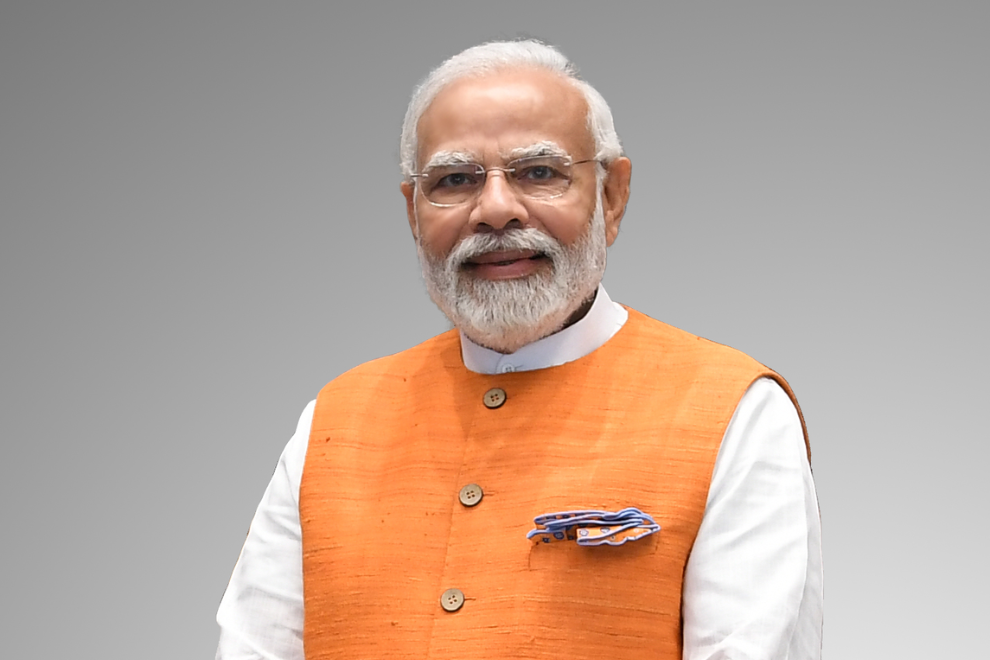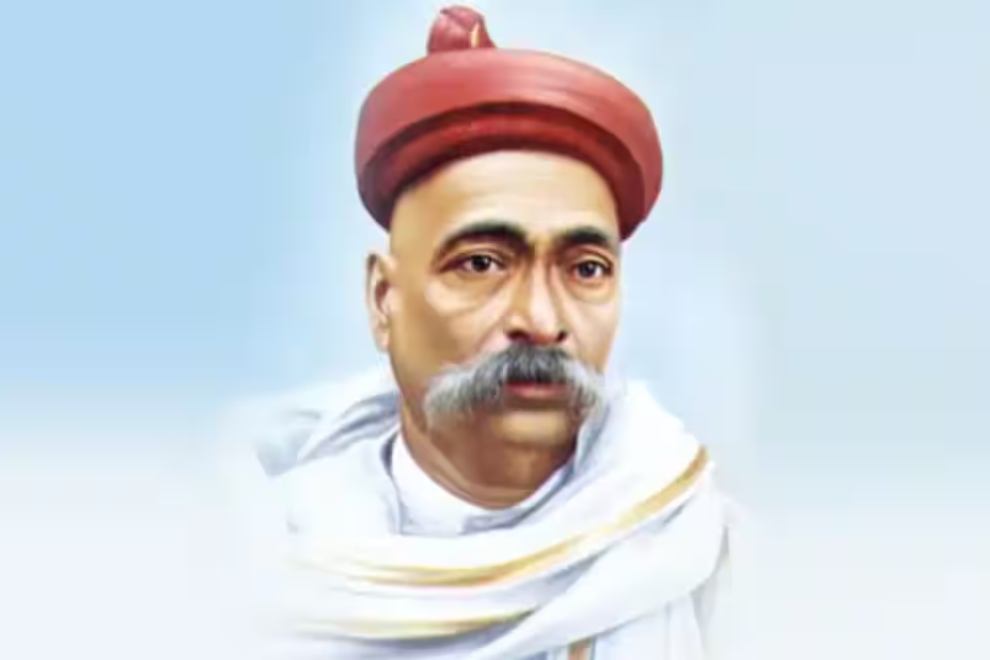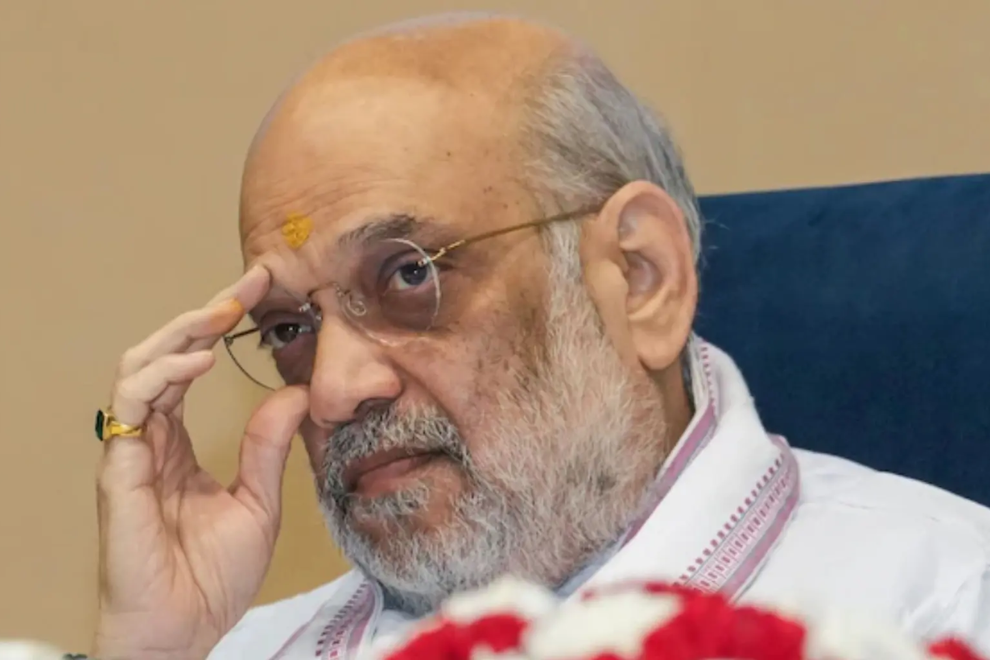
Amit Shah Quotes: Words on Leadership, Nation, and Determination
Amit Shah, one of India’s most influential political leaders, is known for his decisive leadership, strategic thinking, and strong nationalist vision. As the Union Home Minister of India, his speeches and statements often reflect determination, discipline, and commitment to nation-building. Below is a curated collection of powerful Amit Shah quotes that highlight his views on leadership, governance, democracy, and India’s future. Why Amit Shah’s Quotes Inspire Millions A Voice of Strong Leadership Amit Shah’s words often emphasize clarity of purpose, courage in decision-making, and accountability in governance. Vision for a Strong India His quotes reflect a belief in national unity, internal security, and long-term development. Top Amit Shah Quotes Amit Shah Quotes on Leadership “Leadership is about taking responsibility, not making excuses.” “A strong leader always puts the nation before personal interest.” “Decisions taken with courage define the future of a country.” “True leadership demands discipline, clarity, and commitment.” “Leadership is proven in action, not in words alone.” Amit Shah Quotes on Nation and Patriotism “The nation is supreme, and everything else comes after.” “India’s strength lies in its unity and diversity.” “A secure nation is the foundation of a prosperous future.” “Patriotism is not just emotion; it is responsibility.” “National interest must always guide policy and governance.” Amit Shah Quotes on Governance and Development “Good governance begins with transparency and accountability.” “Development reaches its true meaning when it touches the last citizen.” “Policies should empower people, not create dependence.” “Efficient administration is the backbone of a strong democracy.” “Reforms are meaningful only when they improve lives on the ground.” Amit Shah Quotes on Democracy and Determination “Democracy thrives when institutions are strong and fair.” “Determination and discipline can overcome any challenge.” “Challenges are opportunities to prove commitment to the nation.” “Politics is a medium of service, not power.” “The future belongs to those who work tirelessly for it.” How to Use Amit Shah Quotes For Blogs and Political Analysis These quotes add authority and context to articles on leadership, governance, and Indian politics. For Speeches and Social Media Ideal for political discussions, awareness campaigns, and motivational posts related to public service. Conclusion Amit Shah’s quotes reflect firm leadership, national commitment, and administrative clarity. His words continue to inspire discussions on governance, democracy, and India’s progress. Whether used for education, analysis, or motivation, these quotes offer insight into modern Indian political leadership. Frequently Asked Questions (FAQs) about Amit Shah Quotes Who is Amit Shah? Amit Shah is the Union Home Minister of India and a senior leader of the Bharatiya Janata Party (BJP), known for his strong leadership, governance reforms, and focus on national security. What are Amit Shah quotes famous for? Amit Shah quotes are known for their emphasis on leadership, nationalism, discipline, governance, and commitment to India’s development. Why are Amit Shah quotes popular? His quotes resonate with people due to their clarity, determination, and focus on nation-first ideology, making them popular for political discussions and motivational content. Can Amit Shah quotes be used for educational or political blogs? Yes, Amit Shah quotes are widely used in educational articles, political analysis, leadership blogs, and awareness content related to Indian governance. What themes are commonly found in Amit Shah’s speeches and quotes? Common themes include leadership, patriotism, democracy, governance, internal security, and India’s long-term vision.