Larry Page Quote

Larry Page Quotes on Innovation and Big Thinking

“If you’re changing the world, you’re working on important things.” “Lots of companies don’t succeed over time. What do they fundamentally do wrong?” “You never lose a dream, it just incubates as a hobby.” “Innovation is not about saying yes to everything. It’s about saying no to almost everything.” “The best ideas come from thinking unconventionally.” Larry Page Quotes on Leadership “My job as a leader is to make sure everybody in the company has great opportunities.” “Great leaders empower others to do amazing things.” “You should be doing things that really matter.” “Leadership is about creating the future, not reacting to the past.” “Hire people who are smarter than you.” Larry Page Quotes on Technology and the Future “Technology should do the hard work so people can do the things that make them happiest.” “The ultimate search engine would understand everything in the world.” “AI will be the most profound thing humanity ever works on.” “We should be building things that don’t exist yet.” “The future is built by those who imagine it first.” Larry Page Quotes on Success and Ambition “Always deliver more than expected.” “Small improvements add up to massive change.” “Ambition should never be limited by fear.” “If you’re not failing enough, you’re not aiming high enough.” “Success comes from taking bold risks.” Larry Page Quotes on Learning and Growth “Curiosity is the foundation of progress.” “You learn more from trying and failing than from playing it safe.” “Question everything, especially assumptions.” “Growth begins where comfort ends.” “The best way to predict the future is to invent it.” Why Larry Page Quotes Matter Larry Page’s quotes encourage bold innovation, long-term thinking, and fearless leadership. His mindset reflects how transformative companies are built—by focusing on meaningful problems, empowering smart people, and aiming for ideas that change the world. Frequently Asked Questions Who is Larry Page? Larry Page is the co-founder of Google and former CEO of Alphabet, known for revolutionizing internet search and digital innovation. Why are Larry Page quotes popular? His quotes emphasize innovation, leadership, ambition, and future-focused thinking, making them highly relevant for entrepreneurs and tech leaders. Are Larry Page quotes useful for startups? Yes, they offer practical inspiration for building scalable ideas, fostering innovation, and leading with vision.

CEO Quotes That Inspire Leadership, Vision, and Success

CEOs shape organizations, industries, and sometimes the future itself. Their words often reflect hard-earned lessons about leadership, resilience, innovation, and responsibility. Whether you’re an entrepreneur, manager, or aspiring leader, these CEO quotes offer timeless guidance for navigating business and life. CEO Quotes on Leadership “Leadership is about making others better as a result of your presence.” “Great leaders don’t create followers; they create more leaders.” “The role of a CEO is to set the vision and empower people to achieve it.” “Leadership is earned through trust, not authority.” “A leader’s job is to see reality as it is and possibility as it could be.” CEO Quotes on Success and Growth “Success is built on consistency, not shortcuts.” “Growth happens when you focus on long-term value, not short-term wins.” “The best companies are obsessed with improving every single day.” “Profit is a result of doing things right, not the purpose itself.” “Success comes from solving real problems for real people.” CEO Quotes on Vision and Innovation “Innovation begins with curiosity and courage.” “If you’re not willing to disrupt yourself, someone else will.” “The future belongs to those who prepare for it today.” “Vision without execution is just an idea.” “Bold ideas require bold leadership.” CEO Quotes on Decision-Making “Make decisions with the best information you have, then move forward.” “Indecision is often more costly than a wrong decision.” “A CEO must be comfortable making hard choices.” “Clarity is the foundation of good decisions.” “Data informs decisions, but values guide them.” CEO Quotes on Failure and Resilience “Failure is feedback, not defeat.” “Every setback carries the lesson needed for the next success.” “Resilience is the true measure of leadership.” “You don’t grow by avoiding mistakes; you grow by learning from them.” “Strong leaders rise after they fall.” Famous CEO Quotes on People and Culture “Culture eats strategy for breakfast.” “Take care of your people, and they’ll take care of the business.” “The best ideas can come from anywhere.” “Hiring the right people is the most important decision a CEO makes.” “Great companies are built by great teams.” Why CEO Quotes Matter in Business Today CEO quotes offer real-world wisdom shaped by experience, risk, and responsibility. They inspire leaders to think bigger, act smarter, and lead with integrity in an ever-changing business environment. FAQs About CEO Quotes What are CEO quotes? CEO quotes are statements or insights shared by chief executive officers about leadership, business, success, and decision-making. Why are CEO quotes inspiring? They reflect lessons learned from managing teams, handling failure, and building successful organizations. How can CEO quotes help entrepreneurs? They provide motivation, strategic thinking, and leadership guidance for growing businesses. What topics do CEO quotes usually cover? Common themes include leadership, innovation, culture, resilience, vision, and success.  

banners 3 3

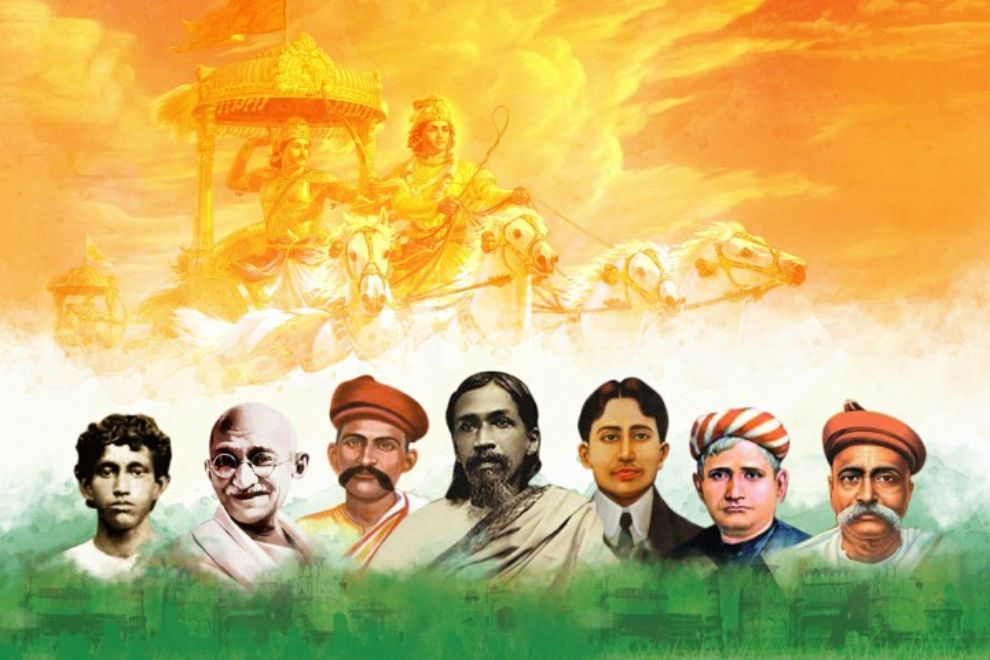
The Dark Truth of India’s Freedom

Introduction – The Glory and the Shadows On the midnight of 15 August 1947, the tricolour rose high in the Indian sky, symbolising independence after nearly two centuries of British rule. The streets roared with celebration, and history books recorded it as a moment of ultimate triumph. But behind the fireworks and speeches lay a reality soaked in blood, betrayal, and compromise. India’s freedom came with a cost so heavy that even today, its weight is carried by generations. The story we were taught in schools is only one version — the decorated one. The truth, when unwrapped, reveals a complex web of political deals, silent betrayals, and the voices of those who never made it into history books. Before 1947 – The Struggle Behind the Struggle While the official narrative focuses on non-violence as the path to independence, history records multiple parallel movements, each with its own strategy and sacrifices. The Indian freedom struggle was not just about peaceful protests; it was also about underground resistance, armed revolutions, secret societies, and the countless ordinary citizens who fought without hope of recognition. These stories were overshadowed by the dominance of a few political leaders in official accounts, leaving the contribution of many fighters buried. Quote 1: “History doesn’t hide the truth; humans do. And we call it ‘curriculum’.” The Forgotten Fighters – Erased from Memory Many who fought for freedom didn’t get a place in the golden frame of the independence narrative. From Matangini Hazra, who was shot while carrying the Indian flag, to Alluri Sitarama Raju, who led a tribal revolt in Andhra Pradesh, their sacrifices were often footnotes. Why? Because the post-independence political landscape needed a unified, simplified hero narrative to build a nation’s identity — and complexity was inconvenient. Those who didn’t align with the dominant ideology of the new rulers were left out. The British were gone, but the politics of selective remembrance began immediately. Quote 2: “Not all heroes get statues. Some only get silence.” Partition – Freedom’s Blood Price The partition of India in 1947 remains one of the largest forced migrations in human history. Over 14 million people were displaced, and an estimated 1 to 2 million lost their lives in communal violence. The decision to divide the country was not a sudden emergency measure; it was the result of years of political failure, communal polarisation, and hurried British exit strategies. Independence came, but it was delivered through a corridor of corpses. Quote 3: “We got freedom at midnight, but woke up in the morning surrounded by graves.” Economic Realities Post-Independence Freedom was supposed to open the doors to prosperity, but the country inherited a crippled economy. While independence was politically complete, economic freedom was still far away — and in many ways, India remained chained to global powers through trade, aid, and loans. Quote 4: “We were free to wave our own flag, but still had to beg for bread.” Political Power Games After Freedom One of the darkest truths of India’s freedom story is that colonial power didn’t disappear — it shifted hands. Some decisions were made for stability; others for personal and party power. The revolution promised to the masses was quietly replaced by administrative continuity. Quote 5: “Independence didn’t break the chains; it just handed the keys to new masters.” Cultural & Educational Manipulation After independence, the shaping of national identity was in the hands of the new leaders. This meant rewriting history to suit political narratives. School textbooks began to glorify certain leaders while downplaying others. The complexity of the freedom struggle — where moderates, revolutionaries, spiritual leaders, and armed fighters all played a part — was compressed into a few neat chapters. The result? Generations grew up knowing only half the story. Quote 6: “Erase a man’s story, and you erase him twice — once from history, once from memory.” How the Common People Paid the Price For the farmers in Punjab, Bengal, and Bihar, independence didn’t mean an end to poverty. For factory workers, there was no sudden rise in wages. For tribal communities, the exploitation of land and resources continued — now by Indian corporations instead of foreign companies. The promise of Swaraj (self-rule) became political rhetoric. The elite benefitted first, while the poor waited decades for real change. Even today, in rural India, freedom is still a dream measured in access to clean water, electricity, and education. Quote 7: “Freedom given without equality is like a bird with broken wings.” Media and the Selective Storytelling of Freedom Media played a vital role in the freedom struggle, but post-independence, it became a tool for nation-building propaganda. While it was important to inspire unity, this also meant that dissenting voices were labelled as anti-national. Critical questions about partition violence, economic policies, and political corruption were often avoided. The cost of speaking against the dominant narrative was high — a trend that, unfortunately, still exists. Quote 8: “Truth is the first prisoner of patriotic propaganda.” The Lessons We Ignore Every independence anniversary is an opportunity to reflect — not just to celebrate. But India’s freedom story teaches us that true freedom is not just the absence of foreign rulers, it is the presence of justice, equality, and dignity for all. The dark truths remind us that independence was not the end of the struggle — it was merely a change in its nature. The challenge now is to ensure that future generations inherit not just political liberty, but also social and economic fairness. Quote 9: “The cost of forgetting history is paying for it twice.” 50 Original Quotes on the Dark Truth of Freedom Conclusion – Freedom’s Incomplete Journey India’s freedom is a story of courage, resilience, and sacrifice — but also of compromise, loss, and unfinished promises. The independence we celebrate each year is real, but so are the scars of partition, the erasure of forgotten fighters, and the unfulfilled dreams of millions. Understanding the dark truths of independence is not unpatriotic — it is


banners 7

Gary Oldman: 10 Motivational Quotes from a Master of Transformation

Gary Oldman is one of the most celebrated and versatile actors of his generation. With an expansive career spanning stage and screen, Oldman is renowned for his ability to fully transform into complex characters—from historical icons like Winston Churchill in Darkest Hour to pop culture legends like Sirius Black in Harry Potter and Jim Gordon in The Dark Knight trilogy. Behind his award-winning performances lies a story of persistence, reinvention, and dedication to craft. Overcoming personal struggles and industry hurdles, Oldman’s journey is a powerful reminder of resilience and the rewards of never giving up on your passion. Top 10 Motivational Gary Oldman Quotes Final Thoughts Gary Oldman’s path is a masterclass in transformation—not just in the roles he plays, but in his approach to life. His quotes reflect the grit, humility, and persistence required to thrive in any creative or competitive field. Whether you’re an artist, entrepreneur, or dreamer, Oldman’s wisdom is a reminder to stay true to your passion and evolve through every chapter.

Adolph Freiherr Knigge

Adolph Freiherr Knigge: 10 Inspiring Quotes on Human Behavior, Reason, and Enlightenment

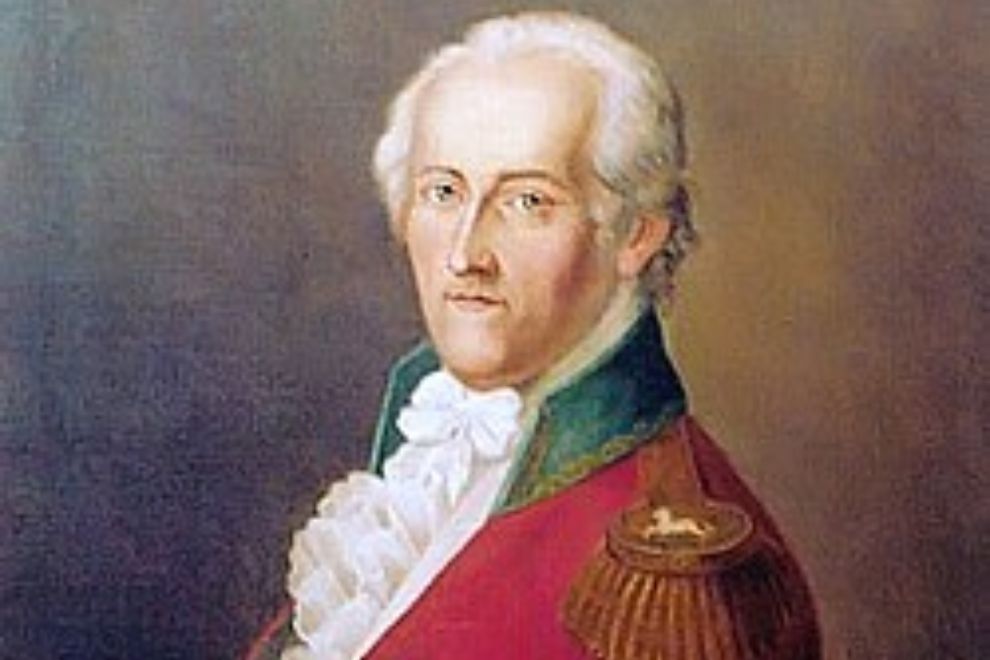
Adolph Freiherr Knigge (1752–1796) was a German writer, philosopher, and social reformer known for his influential work on human relations and Enlightenment ideals. While often associated with etiquette due to his famous book “On Human Relations” (Über den Umgang mit Menschen), Knigge was far more than a manners expert—he was a passionate thinker who believed in freedom, reason, justice, and the dignity of the individual. As a prominent member of the Bavarian Illuminati, Knigge played a key role in promoting humanist and rationalist thought. His ideas on how to live a virtuous, respectful life remain deeply relevant today. Here are 10 of his most inspiring quotes that continue to guide those who seek wisdom, decency, and balance in life: Top 10 Adolph Freiherr Knigge Inspiring Quotes Final Thoughts Adolph Freiherr Knigge’s work was a call to moral courage, empathy, and reason—qualities that are more necessary now than ever. His timeless quotes encourage us to cultivate dignity, mutual respect, and critical thinking, not only for personal growth but also for a more just society.

Adam Weishaupt inspiring quotes

Adam Weishaupt: 10 Powerful Quotes from the Founder of the Illuminati

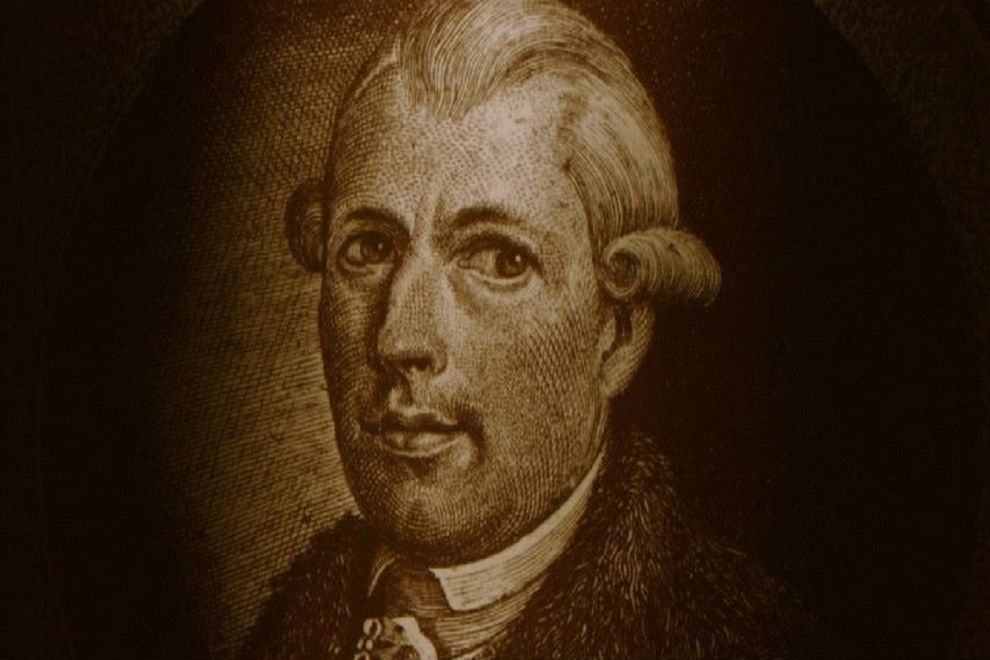
Adam Weishaupt was a German philosopher and professor of canon law, best known as the founder of the secret society known as the Illuminati, established in 1776. He believed in enlightenment ideals—rationalism, liberty, and the power of education—and sought to challenge the religious and political structures of his time. While controversial, Weishaupt’s vision was rooted in reason, truth-seeking, and human freedom. His writings reflect a deep desire to transform society through knowledge, critical thought, and moral responsibility. Below are 10 of Adam Weishaupt’s most striking and inspiring quotes: Top 10 Adam Weishaupt Inspiring Quotes Final Thoughts Though often misunderstood and shrouded in mystery, Adam Weishaupt’s ideals continue to resonate with those who value enlightenment, freedom, and critical thinking. His quotes offer a rare glimpse into the revolutionary spirit of the 18th century and challenge us to reflect on the systems of power, belief, and control that still influence the modern world.

banners 7

Harold Budd: Ambient Music Icon and His Best Quotes

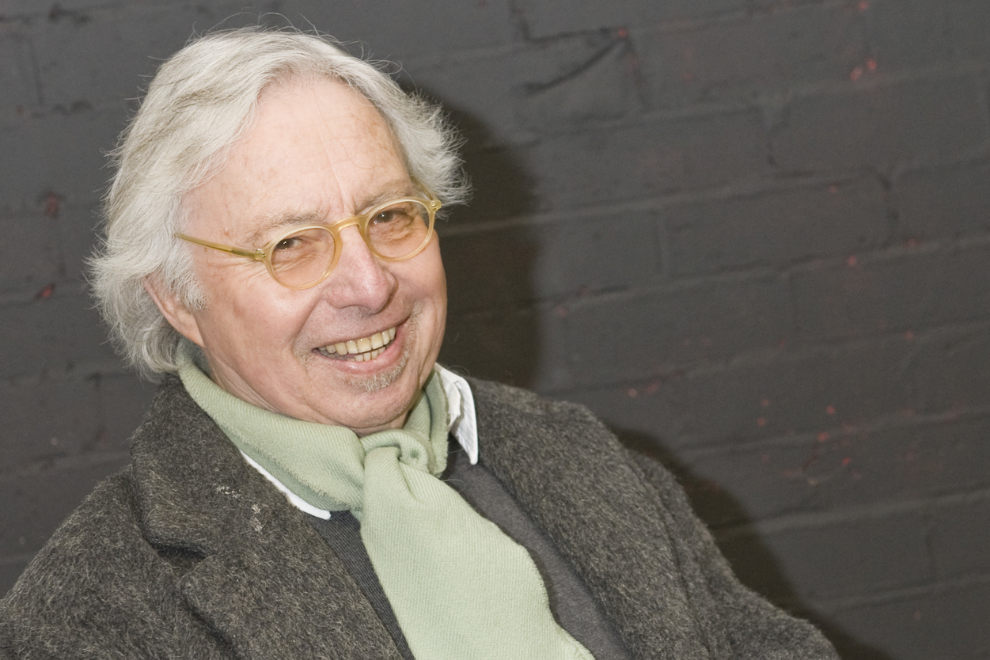
Harold Budd — Short Info:Harold Budd (1936–2020) was an American ambient composer and poet known for his minimalist, dreamy soundscapes. He collaborated with artists like Brian Eno and Robin Guthrie, creating timeless works that shaped modern ambient music. Budd’s compositions blended sound and silence, inviting listeners into peaceful, atmospheric worlds. Harold Budd — Quotes:

featured imhg 13

Khalil Gibran: The Poet of the Soul and Voice of Spiritual Wisdom

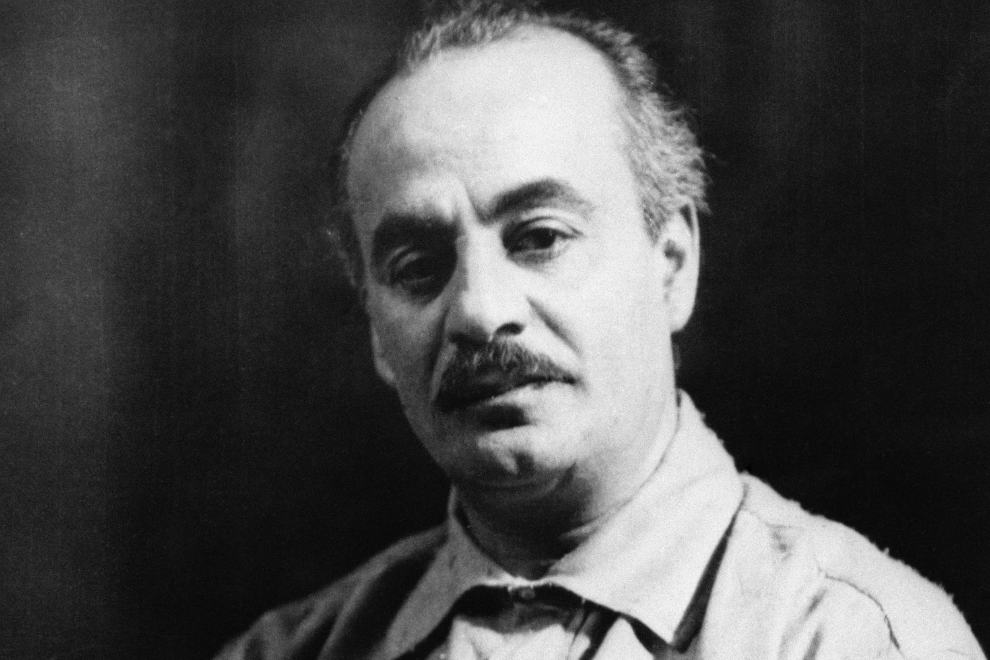
Introduction Khalil Gibran was a Lebanese-American poet, writer, philosopher, and artist best known for his mystical and philosophical masterpiece The Prophet. His writings explore themes of love, freedom, pain, joy, and the soul. With a lyrical voice that transcends cultures and generations, Gibran remains one of the most quoted spiritual writers in modern literature. Early Life and Background Khalil Gibran was born on January 6, 1883, in Bsharri, Lebanon (then part of Ottoman Syria). At the age of 12, his family emigrated to the United States, settling in Boston. There, Gibran began exploring art and literature. He later studied in Beirut and Paris, blending Eastern spirituality with Western thought, a hallmark of his work. Literary Career and Works Gibran published his writings in both Arabic and English, often combining poetic prose with philosophical depth. His most famous book, The Prophet (1923), has been translated into over 100 languages and remains one of the best-selling books of all time. Notable Works: His style blended spiritual insight, poetic rhythm, and universal themes, earning him a unique place in world literature. Philosophy and Influence Gibran’s writings explore deep human emotions and existential questions with compassion, simplicity, and grace. He believed in the unity of all religions, the importance of inner freedom, and the sacredness of love. Gibran inspired not only readers but also musicians, leaders, and philosophers, including figures like John Lennon, Indira Gandhi, and The Beatles, who referenced his work. Inspirational Quotes by Khalil Gibran Conclusion Khalil Gibran’s voice echoes through time as a guide to the human spirit. With poetic clarity and philosophical depth, he bridged East and West, soul and mind, sorrow and joy. His legacy lives on in readers who seek meaning, peace, and beauty in the words that touch the soul. To read Gibran is not just to read poetry, but to reflect on the essence of life itself.