banners 4 5

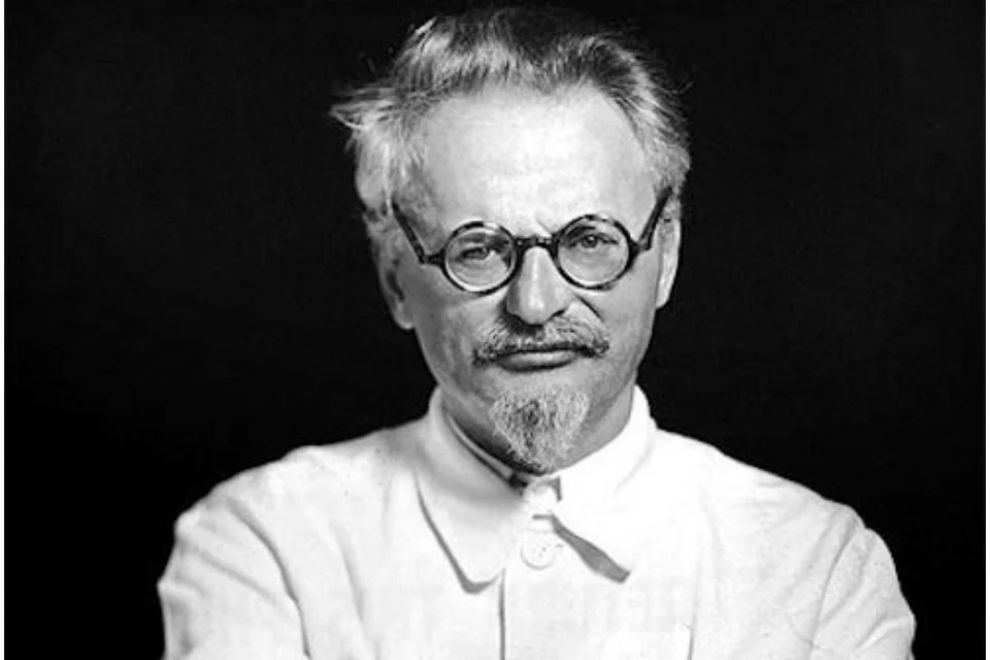
Leon Trotsky: Life, Ideology, and Inspiring Quotes of the Revolutionary Thinker

Introduction Leon Trotsky is one of the most influential figures in the history of the 20th century. A revolutionary thinker, writer, and political leader, Trotsky played a key role in the Russian Revolution of 1917 and in shaping the foundations of Marxist thought. His ideas, though often controversial, continue to inspire political activists, historians, and philosophers around the world. Known for his sharp intellect, fiery speeches, and uncompromising fight against authoritarianism, Trotsky left behind not only revolutionary movements but also a treasure of writings and quotes that remain relevant in today’s political landscape. In this blog, we will explore Leon Trotsky’s life, political journey, ideology, and timeless quotes, while analyzing his legacy and influence on modern political thought. Early Life and Background Leon Trotsky was born as Lev Davidovich Bronstein on November 7, 1879, in Yanovka, Ukraine (then part of the Russian Empire). He was the son of a prosperous farmer but grew up in a society marked by inequality, poverty, and the rising discontent of the working class. From a young age, Trotsky displayed remarkable intellectual ability and a passion for justice. During his school years, he became involved with revolutionary movements, influenced by the works of Karl Marx and Friedrich Engels. At just 19, Trotsky was arrested for revolutionary activities and exiled to Siberia. It was during this period that he adopted the pseudonym “Trotsky”, a name that would later become known worldwide. Trotsky and the Russian Revolution Trotsky’s rise to prominence came with his central role in the Russian Revolution of 1917. As a member of the Bolshevik Party, he worked closely with Vladimir Lenin, becoming one of the most powerful leaders of the revolution. Trotsky’s greatest contribution during this period was as the founder and leader of the Red Army, which he transformed into a disciplined and effective fighting force. Under his command, the Red Army played a decisive role in the Russian Civil War (1918–1921), securing the survival of the new Soviet state. Trotsky’s speeches inspired thousands, and his ability to organize and lead marked him as one of the most capable revolutionaries of his time. Ideology and Political Thought Leon Trotsky was a committed Marxist, but his interpretations often differed from other Bolshevik leaders, especially Joseph Stalin. His major ideological contributions include: 1. Permanent Revolution Trotsky believed that revolutions could not be confined to a single country. He argued that socialism in Russia could only succeed if it spread internationally. This theory of Permanent Revolution emphasized the global nature of class struggle. 2. Opposition to Stalinism After Lenin’s death in 1924, Trotsky became one of the fiercest critics of Stalin. He opposed Stalin’s idea of “Socialism in One Country,” warning that it would lead to bureaucracy and dictatorship. Unfortunately, Stalin’s rise to power led to Trotsky’s expulsion from the Communist Party and eventual exile. 3. Defense of Workers’ Democracy Trotsky strongly advocated for workers’ democracy, opposing authoritarian control within the party and the state. His writings criticized the dangers of centralization and the suppression of dissent. Exile and Assassination By 1929, Trotsky was exiled from the Soviet Union. He lived in Turkey, France, Norway, and finally Mexico, where he continued his political writings and campaigns against Stalinism. Even in exile, Trotsky remained an active political thinker, founding the Fourth International in 1938 to promote revolutionary socialism worldwide. However, his opposition to Stalin made him a target. On August 20, 1940, Trotsky was assassinated in Mexico by Ramón Mercader, a Spanish communist and agent of Stalin’s secret police. Trotsky died the next day, leaving behind an intellectual legacy that still resonates today. Famous Leon Trotsky Quotes Trotsky’s writings and speeches were filled with passion, intellect, and revolutionary spirit. Here are some of his most famous and thought-provoking quotes: These quotes reveal not only Trotsky’s revolutionary spirit but also his philosophical depth and vision for a just society. Trotsky’s Legacy Leon Trotsky remains one of the most debated figures in world history. Supporters hail him as a brilliant strategist, defender of workers’ democracy, and visionary who fought against tyranny. Critics, however, argue that his revolutionary methods also carried authoritarian tendencies. Despite the controversies, Trotsky’s influence on political thought is undeniable. His ideas about internationalism, opposition to dictatorship, and emphasis on the role of the working class continue to shape socialist and leftist movements around the globe. In the academic world, Trotsky’s writings are studied for their depth and clarity. Movements in Latin America, Europe, and Asia have drawn inspiration from his theories of revolution and resistance. Why Leon Trotsky Still Matters Today In the modern world, where debates about authoritarianism, democracy, and social justice continue, Trotsky’s life and ideas remain highly relevant. His warnings about dictatorship, his fight for workers’ rights, and his vision of a more equal society are lessons that continue to resonate. Trotsky teaches us that revolutions are not just about seizing power but about ensuring justice, equality, and freedom for all. His quotes, writings, and struggles remind us of the eternal battle between oppression and liberation. Conclusion Leon Trotsky was not just a revolutionary; he was a thinker, a writer, and a fighter for justice. His life, though filled with struggle and tragedy, left behind an enduring intellectual and political legacy. From his leadership in the Russian Revolution to his fierce opposition to Stalinism, Trotsky stood as a symbol of resistance against tyranny. His writings and quotes continue to inspire millions, proving that even in exile and death, his ideas cannot be silenced. Trotsky once said:“Life is beautiful. Let the future generations cleanse it of all evil, oppression, and violence, and enjoy it to the full.” More than 80 years after his death, these words continue to echo, reminding us of the power of hope, struggle, and the dream of a better world.

banners 3 6

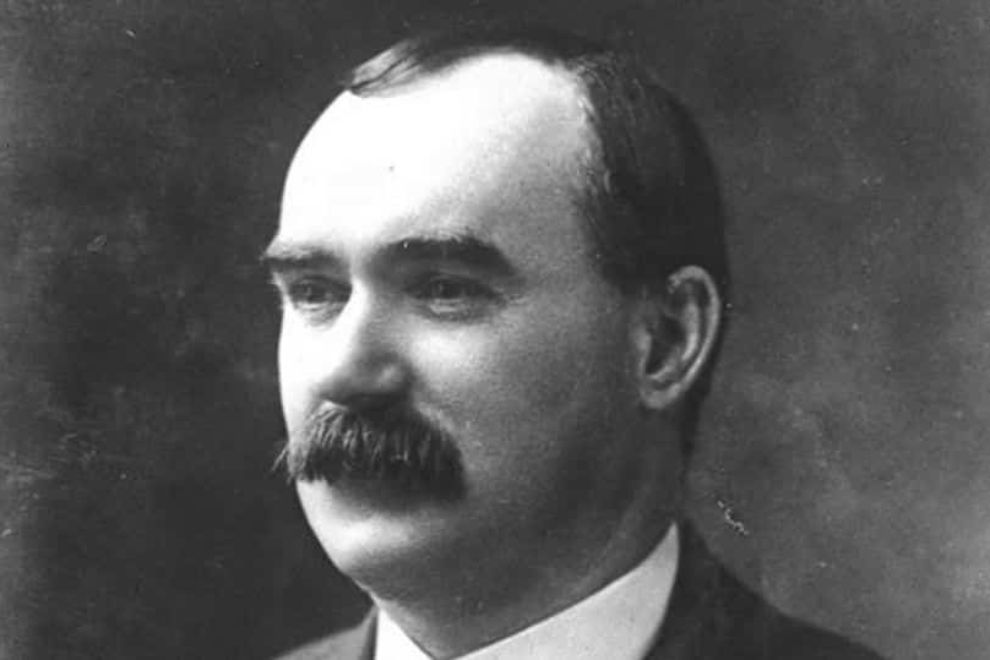
James Connolly: Life, Legacy, and Revolutionary Quotes of Ireland’s Socialist Leader

Introduction James Connolly (1868–1916) remains one of the most iconic figures in Irish history. A revolutionary socialist, trade union leader, and political theorist, Connolly dedicated his life to the fight for Irish independence and workers’ rights. His writings, speeches, and activism continue to inspire movements for social justice worldwide. In this blog, we will explore James Connolly’s biography, political philosophy, his role in the Easter Rising of 1916, and his most powerful quotes. This comprehensive guide aims to provide not only historical insight but also timeless lessons for modern readers. Early Life of James Connolly James Connolly was born on June 5, 1868, in Edinburgh, Scotland, to Irish immigrant parents. Growing up in poverty, Connolly left school at just 11 years old and worked various labor jobs. His early exposure to the struggles of the working class shaped his worldview and motivated him to dedicate his life to socialism and national liberation. Despite limited formal education, Connolly became a self-taught intellectual, reading widely on politics, history, and economics. His writings demonstrate sharp analysis, deep compassion for the working class, and an unshakable belief in justice. James Connolly’s Entry into Socialism and Trade Unionism Connolly joined the Scottish Socialist Federation in the 1880s and quickly established himself as a dedicated activist. By the 1890s, he had moved to Dublin, where he founded the Irish Socialist Republican Party (ISRP) in 1896. Connolly’s vision was clear: Ireland’s independence was incomplete without social and economic liberation for the working class. Unlike some nationalists who sought only political freedom, Connolly believed in combining socialism and nationalism. “The cause of labour is the cause of Ireland, and the cause of Ireland is the cause of labour. They cannot be dissevered.” – James Connolly This famous quote reflects Connolly’s belief that independence without social justice would only benefit the elites, not the working people of Ireland. Connolly’s Role in Irish Labour Movements By the early 20th century, Connolly emerged as a leading voice for trade unionism in Ireland. He worked closely with Jim Larkin and played a pivotal role in establishing the Irish Transport and General Workers’ Union (ITGWU). During the Dublin Lockout of 1913, Connolly helped organize strikes and protests against exploitative employers. His fiery speeches and leadership energized workers, though the strike ended in defeat. Still, the Lockout highlighted Connolly’s courage and dedication to workers’ rights. “The great appear great because we are on our knees: Let us rise.” – James Connolly This powerful quote became a rallying cry for workers demanding dignity and respect. James Connolly and the Easter Rising of 1916 Connolly’s revolutionary journey reached its peak during the Easter Rising of 1916, an armed insurrection against British rule in Ireland. As the leader of the Irish Citizen Army (ICA), Connolly joined forces with the Irish Republican Brotherhood to plan the uprising. Despite knowing that military victory was unlikely, Connolly believed the Rising was necessary to inspire future generations. His leadership was remarkable, even while injured during the conflict. “Without the power of the Industrial Union behind it, democracy can only enter the State as the victim enters the gullet of the serpent.” – James Connolly This quote underscores his belief in the power of organized workers as the true foundation of democracy. After the failed Rising, Connolly was severely wounded and captured. On May 12, 1916, he was executed by firing squad at Kilmainham Gaol, Dublin. He was so injured that he had to be tied to a chair before being shot—a brutal act that shocked the world and turned Connolly into a martyr for Irish independence. James Connolly’s Quotes: Timeless Lessons Connolly’s speeches and writings contain wisdom that continues to resonate. Here are some of his most memorable quotes: On Nationalism and Socialism On Workers’ Rights On Courage and Struggle These quotes highlight Connolly’s fearless spirit, sharp intellect, and unwavering commitment to justice. Connolly’s Writings and Ideology James Connolly was not just a revolutionary fighter but also a prolific writer. His works, including Labour in Irish History and The Re-Conquest of Ireland, remain classics of socialist literature. In Labour in Irish History, Connolly argued that Irish history must be seen through the lens of class struggle, not just nationalism. His perspective challenged traditional narratives and offered a radical interpretation of Ireland’s past and future. Connolly also stressed internationalism, believing that the fight for socialism in Ireland was part of a broader global struggle. Legacy of James Connolly More than a century after his death, Connolly’s legacy lives on. He is remembered not only as a martyr of the Easter Rising but also as a pioneer of socialist thought in Ireland. Connolly’s ideas influenced later movements, from trade unions to socialist parties. His name is still invoked in political debates, cultural works, and songs. Statues of Connolly stand proudly in Dublin, Belfast, and even New York, symbolizing his enduring impact. Lessons for Today James Connolly’s life teaches us that true freedom cannot exist without economic equality and social justice. His warnings about capitalism, exploitation, and inequality remain relevant in the modern world. “If you remove the English army tomorrow and hoist the green flag over Dublin Castle, unless you set about the organization of the Socialist Republic, your efforts would be in vain.” – James Connolly This quote is a timeless reminder that political independence without economic justice is hollow. Conclusion James Connolly’s journey from the slums of Edinburgh to the gallows of Dublin is a story of courage, conviction, and sacrifice. His writings and quotes continue to inspire not only the Irish people but also workers, activists, and dreamers worldwide. By blending nationalism with socialism, Connolly offered a vision of liberation that was not just political but also deeply social and economic. His execution in 1916 may have ended his life, but his words remain immortal. James Connolly once declared: “The cause of Ireland is the cause of labour, and the cause of labour is the cause of Ireland.” Today, more than a hundred years later, his words still echo

banners 2 10

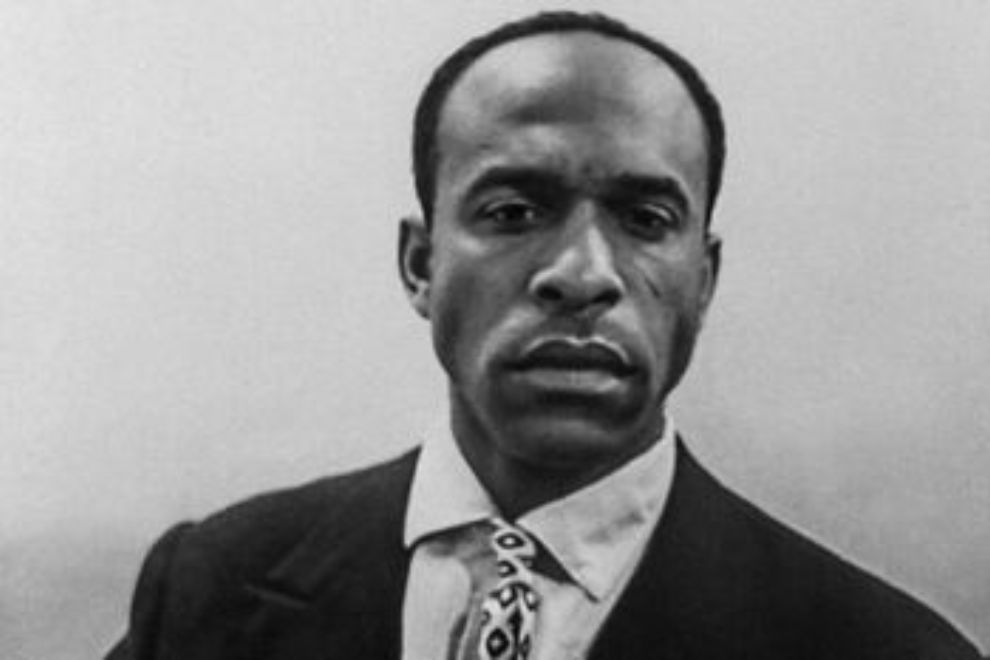
Frantz Fanon: The Voice of Liberation, Identity, and Human Freedom

Introduction Frantz Fanon remains one of the most influential voices in the fields of psychology, philosophy, postcolonial studies, and revolutionary politics. Born in Martinique in 1925 and later working as a psychiatrist in Algeria, Fanon combined his medical practice with a deep philosophical reflection on colonialism, race, identity, and liberation. His works, especially Black Skin, White Masks (1952) and The Wretched of the Earth (1961), continue to resonate with activists, thinkers, and readers across the globe. This blog explores the life, works, and revolutionary ideas of Frantz Fanon while presenting his most powerful quotes, which remain relevant today. Who Was Frantz Fanon? Frantz Fanon was a French West Indian psychiatrist, writer, and revolutionary who became a leading intellectual voice in the struggle against colonial domination. His early experiences with racism during World War II and his later work in colonial Algeria shaped his intellectual journey. Fanon believed colonialism was not only an economic or political system but also a psychological one. It dehumanized colonized peoples, distorted their identities, and created systems of oppression that infiltrated everyday life. Frantz Fanon’s Philosophy: Breaking the Chains of Colonialism 1. The Psychological Impact of Colonialism In his book Black Skin, White Masks, Fanon examined how racism shaped the consciousness of Black people in a colonial world. He described the inferiority complex imposed on colonized individuals, forcing them to adopt the language, culture, and mannerisms of their colonizers. 📌 Fanon Quote:“The colonized is elevated above his jungle status in proportion to his adoption of the mother country’s cultural standards.” This powerful observation shows how colonialism forced colonized people to deny their own culture and identity in exchange for acceptance. 2. Violence and Liberation In The Wretched of the Earth, Fanon famously argued that decolonization is often violent because colonialism itself is violence. He did not glorify violence but saw it as a response to systemic oppression. 📌 Fanon Quote:“The colonized man finds his freedom in and through violence.” For Fanon, liberation was not merely about political independence but about reclaiming dignity and humanity. 3. Identity and Race Fanon believed that race was socially constructed and used as a tool of domination. His writings called for a rejection of imposed racial categories and a rediscovery of self. 📌 Fanon Quote:“I am not a prisoner of history. I should not seek there for the meaning of my destiny.” This reflects his vision of breaking free from both colonial history and imposed identities. Frantz Fanon Quotes That Still Inspire Today Frantz Fanon’s works are filled with quotes that reflect his deep understanding of freedom, identity, and revolution. Below are some of his most famous and inspiring lines: These quotes capture his lifelong belief that individuals and societies can redefine themselves in the face of oppression. Frantz Fanon’s Influence on Revolutionaries Fanon’s ideas were not confined to books; they inspired liberation movements across Africa, Asia, and Latin America. Leaders of anti-colonial struggles in Algeria, South Africa, and even the Black Power movement in the United States drew strength from his writings. 📌 Fanon Quote:“Imperialism leaves behind germs of rot which we must clinically detect and remove from our land but from our minds as well.” Frantz Fanon and Modern Times Even in today’s world, Fanon’s voice speaks powerfully to issues of racism, identity, and global inequality. His call for liberation and dignity resonates with movements like Black Lives Matter, indigenous rights struggles, and campaigns against neocolonialism. 📌 Fanon Quote:“We revolt simply because, for many reasons, we can no longer breathe.” This statement, though written decades ago, feels timeless, echoing in today’s fight for justice and equality. Frantz Fanon’s Legacy Fanon died in 1961 at the young age of 36, but his influence has far outlived him. Universities, activists, and scholars continue to read his works as essential texts in postcolonial studies, psychology, and political theory. His message remains clear: liberation is not just about removing colonial powers but about reclaiming identity, humanity, and dignity. 📌 Fanon Quote:“What matters is not to know the world but to change it.” SEO Optimized Section: Why Frantz Fanon Still Matters Using Frantz Fanon’s words in today’s context helps us reflect on the global fight for justice and human freedom. Conclusion Frantz Fanon was more than a psychiatrist, writer, or revolutionary—he was a voice of liberation. His works challenged colonialism at its core, exposed the psychological wounds of oppression, and offered a vision of freedom rooted in dignity and humanity. 📌 Final Frantz Fanon Quote to Remember:“O my body, make of me always a man who questions!” As long as oppression exists, Frantz Fanon’s legacy will remain a guiding light for generations seeking justice, freedom, and equality.

banners 1 12

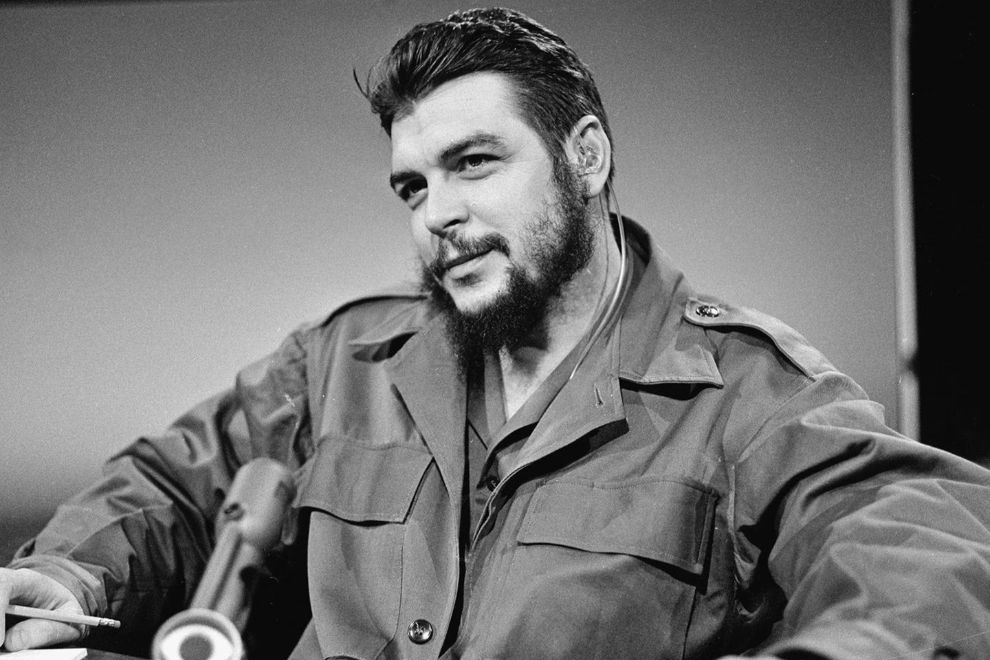
Ernesto ‘Che’ Guevara: The Revolutionary Icon Who Changed the World

Introduction Few figures in modern history have achieved the iconic status of Ernesto ‘Che’ Guevara. His image—beret-clad, eyes burning with determination—has become one of the most reproduced and recognized symbols of revolution and resistance across the globe. Beyond the famous photograph, Guevara was a doctor, a guerrilla leader, a Marxist thinker, and a man who dedicated his life to fighting against imperialism and injustice. In this blog, we’ll dive into the life of Ernesto ‘Che’ Guevara, his revolutionary journey, his ideas, and some of his most memorable quotes that still inspire people today. Early Life and Background of Ernesto ‘Che’ Guevara Ernesto Guevara was born on June 14, 1928, in Rosario, Argentina, to a middle-class family. Despite suffering from chronic asthma, Guevara grew up with a passion for reading, sports, and adventure. His early life was shaped by exposure to political debates within his family and an increasing awareness of social inequality across Latin America. A turning point in Guevara’s youth came in 1952, when he embarked on a motorcycle journey across South America with his friend Alberto Granado. This journey, famously recorded in his memoir The Motorcycle Diaries, exposed him to the poverty, injustice, and exploitation endured by workers and indigenous communities. It was during this time that Ernesto Guevara began to envision a life dedicated to revolutionary struggle. One of his famous reflections from this period states: “The life of a single human being is worth a million times more than all the property of the richest man on earth.” This compassion for the oppressed would define his revolutionary path. Che Guevara’s Role in the Cuban Revolution After studying medicine, Guevara traveled to Guatemala, where he witnessed the U.S.-backed coup that overthrew the democratically elected government of Jacobo Árbenz in 1954. This event solidified his anti-imperialist stance. In Mexico, Guevara met Fidel Castro and his brother Raúl Castro, who were preparing to overthrow Cuban dictator Fulgencio Batista. Guevara joined their movement and became a key leader in the Cuban Revolution. As a guerrilla fighter, Che Guevara displayed not only courage but also remarkable leadership skills. His medical knowledge, discipline, and ideological commitment made him invaluable to the movement. One of his motivational quotes for guerrilla fighters was: “The revolution is not an apple that falls when it is ripe. You have to make it fall.” When the Cuban Revolution succeeded in 1959, Guevara held significant positions in the new government, including Minister of Industries and President of the National Bank. He focused on land reforms, literacy campaigns, and industrialization to reduce Cuba’s dependence on sugar exports. Political Philosophy and Ideals Ernesto ‘Che’ Guevara was not just a fighter but also a thinker. His writings on guerrilla warfare, Marxism, and socialism influenced revolutionary movements worldwide. He believed that revolutionary struggle required both armed resistance and the creation of a “new man” driven not by greed but by solidarity. His vision emphasized equality, anti-imperialism, and dedication to collective progress. One of his most famous quotes about revolution is: “Let me say, at the risk of seeming ridiculous, that the true revolutionary is guided by great feelings of love.” This quote illustrates that for Guevara, revolution was not merely about political change but about transforming society through compassion and unity. Global Influence of Che Guevara After his success in Cuba, Guevara continued to spread revolutionary ideas abroad. He traveled to Africa, where he supported anti-colonial struggles, and later to Bolivia, where he attempted to ignite another revolution. Although his mission in Bolivia failed, and he was captured and executed in 1967, his martyrdom elevated him to a global symbol of resistance. Today, Ernesto ‘Che’ Guevara remains an icon for movements in Latin America, Africa, and beyond. His face appears on murals, flags, and T-shirts worldwide—sometimes as a symbol of rebellion, sometimes as a commodified image. Famous Ernesto ‘Che’ Guevara Quotes with Meanings These Ernesto ‘Che’ Guevara quotes remain timeless sources of inspiration for those striving toward justice. Che Guevara’s Death and Legacy On October 9, 1967, Ernesto ‘Che’ Guevara was executed by the Bolivian military with CIA support. Though his life was cut short at just 39 years old, his death transformed him into a martyr. The world remembers him not only for his revolutionary activities but also for his unwavering commitment to his ideals. While some critics see him as controversial due to his methods, others view him as a hero who stood against imperialism and exploitation. Modern Relevance of Che Guevara In the 21st century, Che Guevara’s legacy continues to spark debate. For young activists, he represents the spirit of rebellion and the fight for justice. For critics, his radical approach raises questions about violence and authoritarianism. Nevertheless, Guevara’s message about fighting inequality, resisting imperialism, and envisioning a fairer world remains powerful. His quotes are widely shared in political movements, student protests, and even popular culture. “The revolution is not an end, but a beginning.” This statement still resonates as movements for social and environmental justice spread across the globe. Conclusion Ernesto ‘Che’ Guevara was more than just a revolutionary—he was a thinker, a doctor, a guerrilla, and a global symbol of resistance. His life, though short, continues to inspire people to question injustice and fight for a fairer world. His words remind us that revolution is not just about guns and battles but about love, solidarity, and the courage to stand against oppression. Whether one views him as a hero or a controversial figure, there’s no denying that Che Guevara’s legacy lives on—in books, speeches, murals, and the hearts of those who dare to dream of change.

banners 18

Emiliano Zapata: The Revolutionary Leader Who Fought for Land and Liberty

Introduction When we think of revolutionary figures who changed the course of history, Emiliano Zapata stands tall as one of the most iconic leaders of Latin America. Born in Anenecuilco, Morelos, Mexico, Zapata became the voice of the oppressed peasants during the Mexican Revolution (1910–1920). His famous motto, “Tierra y Libertad” (Land and Liberty), continues to resonate even today as a symbol of justice, freedom, and equality. In this article, we will explore the life, struggles, philosophy, and famous quotes of Emiliano Zapata, while also understanding why his legacy still inspires activists, farmers, and revolutionaries worldwide. Early Life of Emiliano Zapata Emiliano Zapata was born on August 8, 1879, into a family of peasant farmers. Unlike many revolutionary leaders who came from elite backgrounds, Zapata’s childhood was shaped by the struggles of ordinary people who faced land exploitation by wealthy landlords. He witnessed firsthand how peasants lost their lands due to unfair land reforms, forcing many families into poverty. This injustice deeply influenced young Zapata and planted the seed of rebellion in his heart. By his twenties, Zapata became a respected leader in his village, admired for his courage and his strong sense of justice. His leadership qualities soon led him into national politics and eventually into the Mexican Revolution. Emiliano Zapata and the Mexican Revolution The Mexican Revolution began in 1910 as a movement against the dictatorship of Porfirio Díaz. While many leaders joined the revolution for political power, Zapata’s fight was centered on one issue: land reform. Zapata believed that the land should belong to those who worked on it — the peasants. His revolutionary army, known as the Zapatistas, fought tirelessly for the rights of farmers and indigenous communities. In 1911, Zapata issued the Plan of Ayala, a revolutionary document that demanded the return of stolen lands to peasants and called for agrarian reform. This plan made him a hero to the oppressed and a threat to the ruling elite. His dedication to justice was so strong that he never compromised his principles, even when offered political positions. Zapata’s legacy is not of a politician seeking power but of a leader fighting selflessly for his people. Philosophy and Beliefs of Emiliano Zapata At the core of Zapata’s ideology was the belief in equality, justice, and freedom. Unlike many revolutionaries who sought to replace one regime with another, Zapata wanted systemic change in land ownership. His famous slogan, “Tierra y Libertad”, became the guiding principle of his movement. He envisioned a Mexico where peasants could live with dignity, own their land, and enjoy freedom from exploitation. Zapata once declared: “The land belongs to those who work it with their hands.” This simple yet powerful statement highlighted his vision for a just and fair society. Famous Quotes by Emiliano Zapata and Their Meaning Here are some of the most powerful quotes by Emiliano Zapata, along with their significance: Legacy of Emiliano Zapata Emiliano Zapata was assassinated on April 10, 1919, but his legacy lived on. His vision for agrarian reform inspired generations of activists across Latin America and beyond. The Zapatista Army of National Liberation (EZLN), a revolutionary group that emerged in Mexico in 1994, still uses his image and ideology as inspiration in their fight for indigenous rights. Zapata’s face appears on murals, posters, and movements dedicated to justice. He is remembered not just as a revolutionary but as a symbol of resistance, justice, and equality. Emiliano Zapata in Modern Culture Even in the 21st century, Zapata remains a cultural icon. His quotes are often used in protests, social movements, and political campaigns worldwide. His life has been depicted in books, films, and songs, further cementing his place as one of the greatest revolutionaries in history. For instance, the Mexican government has honored him with monuments and educational programs. His birthday and death anniversary are observed to reflect on his contributions. Why Emiliano Zapata Still Matters Today The struggles that Zapata fought against — inequality, corruption, and exploitation — still exist in many parts of the world. His life reminds us that true freedom is not just about political independence but about social and economic justice. Movements for farmers’ rights, indigenous struggles, and anti-corruption protests still echo his words: “Tierra y Libertad.” Zapata is more than a historical figure — he is a timeless inspiration for those who continue to fight for a just society. Conclusion Emiliano Zapata was not just a revolutionary leader; he was a man of the people who dedicated his life to the cause of justice. His philosophy of land reform, his fearless leadership during the Mexican Revolution, and his powerful quotes make him an eternal symbol of resistance. To this day, his words continue to inspire millions: “It is better to die on your feet than to live on your knees.” In a world where inequality and exploitation still persist, Emiliano Zapata’s life and legacy remain a guiding light for those who dare to dream of freedom, justice, and equality.

banners 2 9

Carlos Beruff – Businessman and Public Figure

Carlos Beruff is a Cuban-American businessman, real estate developer, and political figure known for his influence in Florida’s business and political landscape. He is the founder of Medallion Homes, a real estate development company that has shaped communities across the state. Life and Career Legacy and Influence Carlos Beruff represents the entrepreneurial spirit of immigrant success stories in America. His journey from building a business to stepping into politics reflects resilience, ambition, and dedication to leadership. Inspiring Carlos Beruff Quotes

banners 1 11

Carine Roitfeld – A Visionary in Fashion

Carine Roitfeld (born 1954) is a French fashion editor, stylist, and writer best known for her tenure as editor-in-chief of Vogue Paris from 2001 to 2011. Renowned for her bold, sensual, and daring style, she has been a defining figure in global fashion for decades. Life and Career Legacy Carine Roitfeld is celebrated as one of the most influential voices in fashion. Her unapologetic style, daring creativity, and leadership continue to inspire stylists, designers, and fashion enthusiasts globally. Inspiring Carine Roitfeld Quotes

banners 17

Cam Gigandet – From Television to Hollywood Films

Cam Gigandet (born 1982) is an American actor best known for his roles in action and thriller films as well as television dramas. His breakout role came in the hit movie Never Back Down (2008), followed by a memorable appearance in Twilight (2008) as the vampire James. Life and Career Legacy and Recognition Cam Gigandet’s performances often bring intensity and charisma to the screen. While he’s recognized for playing tough or edgy characters, his career reflects range and dedication to his craft, inspiring fans and aspiring actors alike. Inspiring Cam Gigandet Quotes

banners 3 5

Ganesh Chaturthi – Festival of New Beginnings and Prosperity

Ganesh Chaturthi, also known as Vinayaka Chaturthi, is a Hindu festival celebrating the birth of Lord Ganesha, the remover of obstacles and the god of wisdom, prosperity, and good fortune. The festival usually lasts for 10 days, starting on the fourth day of the Hindu month of Bhadrapada (August–September). History and Significance Traditions and Celebrations Inspiring Lord Ganesha Quotes for Ganesh Chaturthi

banners 2 8

Jacob Batalon – From Hawaii to Hollywood

Jacob Batalon (born 1996) is a Filipino-American actor who rose to fame with his breakout role as Ned Leeds, the loyal best friend of Peter Parker in the Marvel Cinematic Universe’s Spider-Man films. Known for his humor, warmth, and relatability, Batalon quickly became a fan favorite among global audiences. Life and Career Impact and Recognition Jacob Batalon’s success showcases the importance of diverse representation in Hollywood. His journey from a small-town upbringing to starring in blockbuster films inspires young actors worldwide to embrace authenticity and pursue their passions fearlessly. Inspiring Jacob Batalon Quotes