featured imhg 1 6

Joe Root: The Modern-Day Maestro of English Cricket

Introduction Joe Root is one of the most consistent and elegant batsmen in the modern era of cricket. As a former captain of the England Test team and a vital part of the batting lineup, Root has established himself among the greatest cricketers of his generation. Known for his technique, temperament, and leadership, Root has become a symbol of English cricket’s evolution. Early Life and Background Joe Root was born on December 30, 1990, in Sheffield, South Yorkshire, England. He was introduced to cricket at a young age and quickly rose through the ranks. He attended the Yorkshire Cricket Academy, following in the footsteps of Yorkshire legends like Michael Vaughan and Geoffrey Boycott. International Debut and Rise to Stardom Joe Root made his Test debut in December 2012 against India in Nagpur. His composure and adaptability impressed selectors and fans alike. Career Highlights: Root became the backbone of England’s Test team and climbed to the top of ICC Test batting rankings during his prime. Style and Strengths Joe Root is admired for his classic batting technique, strong footwork, and ability to perform in all conditions. Whether facing spin in Asia or pace in Australia, Root has displayed remarkable adaptability. He is also known for his calm demeanor, sportsmanship, and ability to lead from the front. Legacy and Impact Even after stepping down as Test captain in 2022, Joe Root continues to be a crucial figure in world cricket. His passion, discipline, and love for the game inspire young cricketers around the globe. Inspirational Quotes by Joe Root Conclusion Joe Root’s cricket journey is a story of grit, grace, and greatness. From Yorkshire’s local grounds to the global stage, Root has carved his name among the legends of English cricket. Whether holding the bat as a master technician or guiding his team as a thoughtful leader, Joe Root exemplifies the true spirit of the gentleman’s game.

featured imhg 13

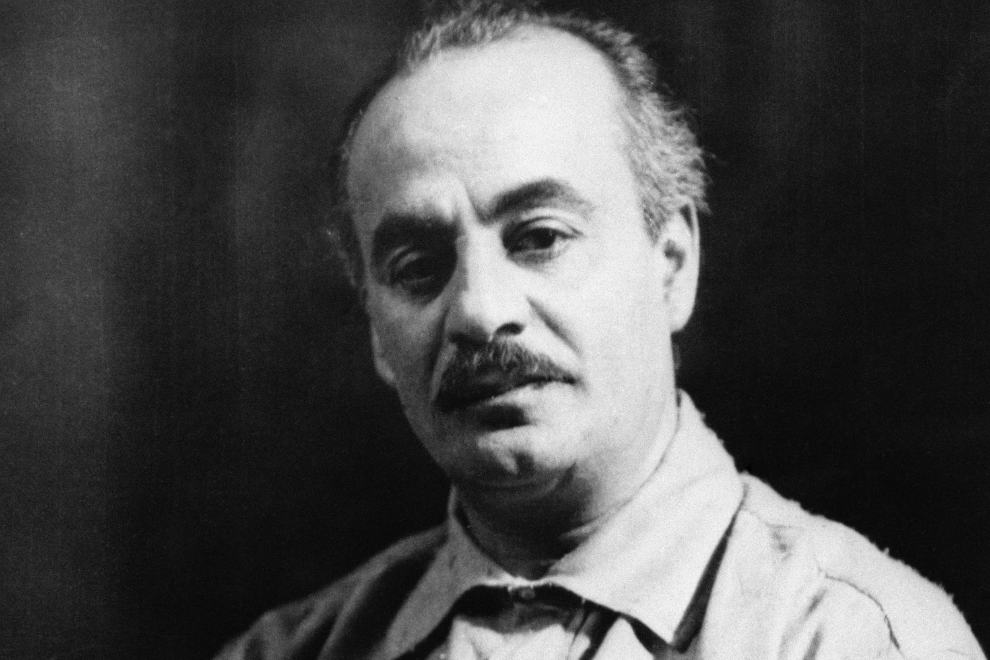
Khalil Gibran: The Poet of the Soul and Voice of Spiritual Wisdom

Introduction Khalil Gibran was a Lebanese-American poet, writer, philosopher, and artist best known for his mystical and philosophical masterpiece The Prophet. His writings explore themes of love, freedom, pain, joy, and the soul. With a lyrical voice that transcends cultures and generations, Gibran remains one of the most quoted spiritual writers in modern literature. Early Life and Background Khalil Gibran was born on January 6, 1883, in Bsharri, Lebanon (then part of Ottoman Syria). At the age of 12, his family emigrated to the United States, settling in Boston. There, Gibran began exploring art and literature. He later studied in Beirut and Paris, blending Eastern spirituality with Western thought, a hallmark of his work. Literary Career and Works Gibran published his writings in both Arabic and English, often combining poetic prose with philosophical depth. His most famous book, The Prophet (1923), has been translated into over 100 languages and remains one of the best-selling books of all time. Notable Works: His style blended spiritual insight, poetic rhythm, and universal themes, earning him a unique place in world literature. Philosophy and Influence Gibran’s writings explore deep human emotions and existential questions with compassion, simplicity, and grace. He believed in the unity of all religions, the importance of inner freedom, and the sacredness of love. Gibran inspired not only readers but also musicians, leaders, and philosophers, including figures like John Lennon, Indira Gandhi, and The Beatles, who referenced his work. Inspirational Quotes by Khalil Gibran Conclusion Khalil Gibran’s voice echoes through time as a guide to the human spirit. With poetic clarity and philosophical depth, he bridged East and West, soul and mind, sorrow and joy. His legacy lives on in readers who seek meaning, peace, and beauty in the words that touch the soul. To read Gibran is not just to read poetry, but to reflect on the essence of life itself.

featured imhg 1 5

Kalpana Chawla: The First Indian Woman in Space Who Inspired a Generation

Introduction Kalpana Chawla was a symbol of courage, perseverance, and dreams beyond borders. As the first Indian-born woman in space, she inspired millions across the globe with her journey from a small town in India to the vastness of outer space. Her legacy continues to live on as a beacon of hope for young dreamers, especially women in science and space. Early Life and Education Kalpana Chawla was born on March 17, 1962, in Karnal, Haryana, India. Fascinated by flying and airplanes from an early age, she pursued a Bachelor’s degree in Aeronautical Engineering from Punjab Engineering College. She then moved to the United States, earning a Master’s and Ph.D. in Aerospace Engineering. NASA Career and Space Missions Kalpana joined NASA in the 1990s and became a naturalized U.S. citizen. Her intelligence, determination, and passion led to her selection as an astronaut in 1994. Space Missions: Legacy and Impact Despite her tragic death on February 1, 2003, Kalpana Chawla’s life left a profound impact. Schools, universities, and scholarships have been named in her honor. She broke boundaries not only in science but also in gender roles and global identity. She remains a source of inspiration for countless aspiring scientists, especially girls, who dream of reaching the stars. Inspirational Quotes by Kalpana Chawla Conclusion Kalpana Chawla’s journey from Karnal to the cosmos remains one of the most powerful testaments to human potential. She proved that with vision, education, and resilience, no dream is too distant. As the stars continue to shine, so does her name — a constant reminder to dare, to explore, and to never stop reaching.

featured imhg 12

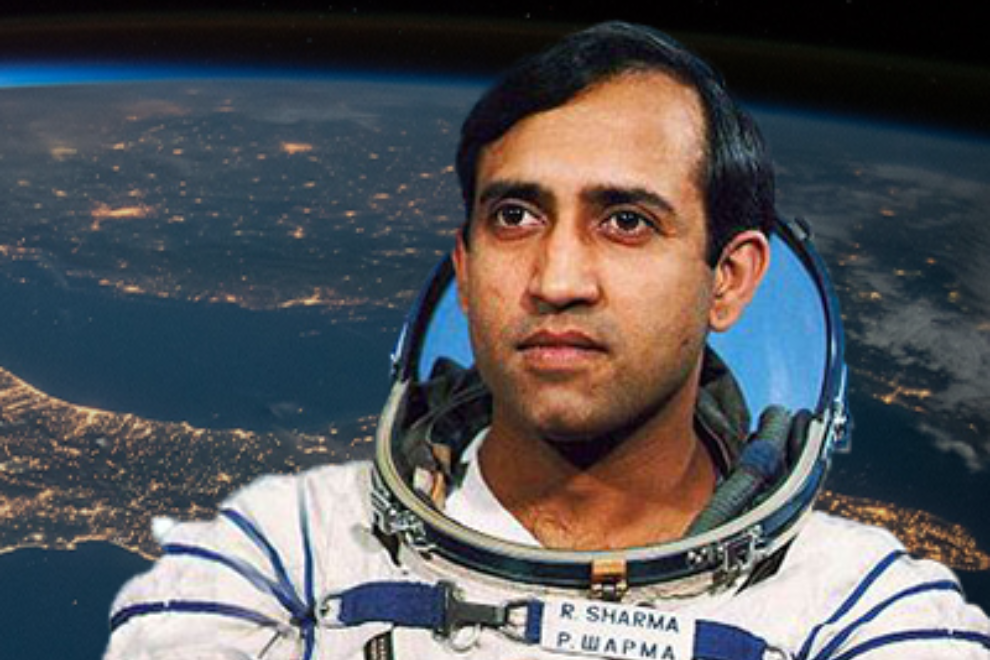
Rakesh Sharma: The First Indian in Space and the Man Who Made History

Introduction Rakesh Sharma is a name etched in the history of Indian space exploration. In 1984, he became the first Indian to travel to space, representing India aboard a Soviet spacecraft. His mission not only marked a technological milestone but also instilled pride and inspiration across the nation. Early Life and Background Rakesh Sharma was born on January 13, 1949, in Patiala, Punjab, India. He joined the Indian Air Force in 1970 and became a skilled test pilot. His commitment, discipline, and flying prowess led to his selection for a joint Indo-Soviet space mission. Historic Space Mission: Soyuz T-11 On April 2, 1984, Rakesh Sharma flew aboard the Soyuz T-11 as part of a collaboration between ISRO and the Soviet Intercosmos program. He spent nearly 8 days aboard the Salyut 7 space station, conducting scientific and technical experiments. Key Highlights: Legacy and Recognition Rakesh Sharma’s mission was more than a technical feat — it was a source of national pride and inspiration. He paved the way for India’s growing interest and investment in space science, which eventually led to missions like Chandrayaan, Mangalyaan, and Gaganyaan. His humility and continued service in aerospace and defense consultancy have made him a respected figure even decades after his flight. Inspirational Quotes by Rakesh Sharma Conclusion Rakesh Sharma’s space mission was a turning point in India’s scientific journey. His legacy continues to motivate young minds to dream beyond the sky and pursue excellence in science, defense, and technology. As India sets its sights on future space missions, Rakesh Sharma remains a symbol of national pride and limitless ambition.

featured imhg 3 2

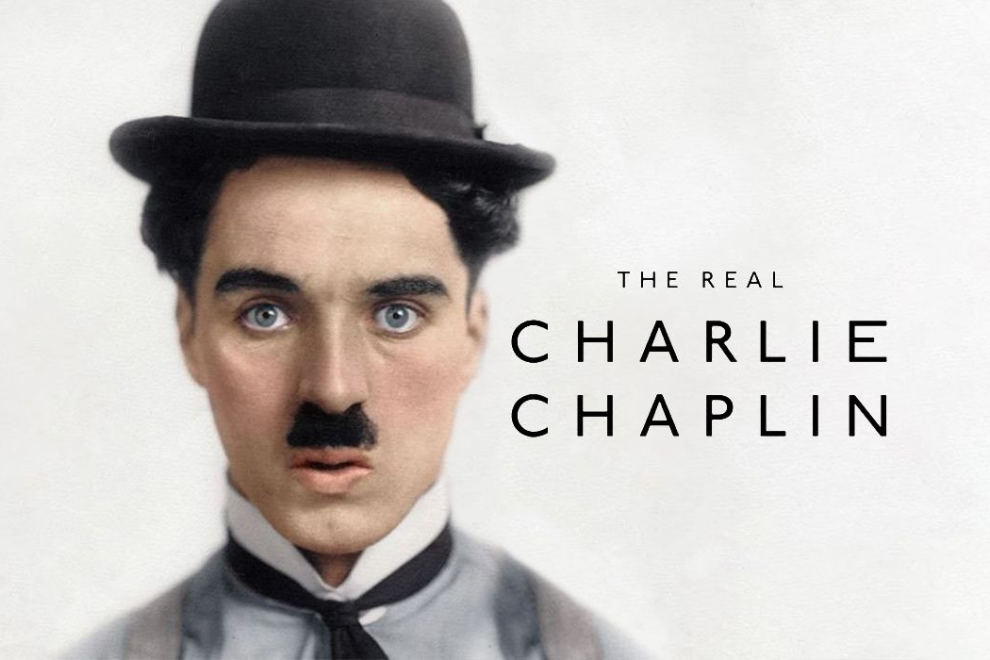
Charlie Chaplin: The Silent Film Legend Who Changed Cinema Forever

Introduction Sir Charlie Chaplin is one of the most iconic figures in the history of cinema. A master of silent comedy and emotional storytelling, Chaplin created “The Tramp,” a character that brought laughter and tears to audiences worldwide. With over 75 years of influence, his artistry transcends time, culture, and language. Early Life and Background Charlie Chaplin was born on April 16, 1889, in London, England, into a poor theatrical family. After enduring a childhood marked by poverty, abandonment, and time spent in workhouses, Chaplin rose from hardship with the power of talent, persistence, and creativity. At age 19, he joined Fred Karno’s vaudeville troupe, which brought him to the United States — a turning point that launched his legendary film career. Career and Cinematic Achievements Chaplin began his film journey in 1914 and quickly became the biggest star of the silent film era. His ability to combine slapstick comedy with deep emotional insight made him beloved around the world. Famous Films: He wrote, directed, produced, acted in, and composed music for most of his films, showcasing unparalleled creative control. Political and Personal Challenges Chaplin’s outspoken views on politics and social justice made him both celebrated and controversial. During the McCarthy era, he was accused of communist sympathies and barred from returning to the U.S. in 1952. He settled in Switzerland, where he spent the rest of his life. In 1972, he returned briefly to the U.S. to receive an Honorary Academy Award for his outstanding contribution to film. Legacy Charlie Chaplin’s work revolutionized cinema and influenced countless filmmakers including Woody Allen, Roberto Benigni, and Rowan Atkinson. His films continue to be studied and screened worldwide for their technical brilliance and universal human themes. Inspirational Quotes by Charlie Chaplin Conclusion Charlie Chaplin was more than just a comedian — he was a visionary, a humanitarian, and a storyteller who used humor to expose truth and touch the soul. From the silent streets of London to the big screens of Hollywood, his life reminds us that even in silence, art can speak the loudest. Chaplin’s films, messages, and iconic walk will forever remain etched in the heart of cinema.

featured imhg 2 3

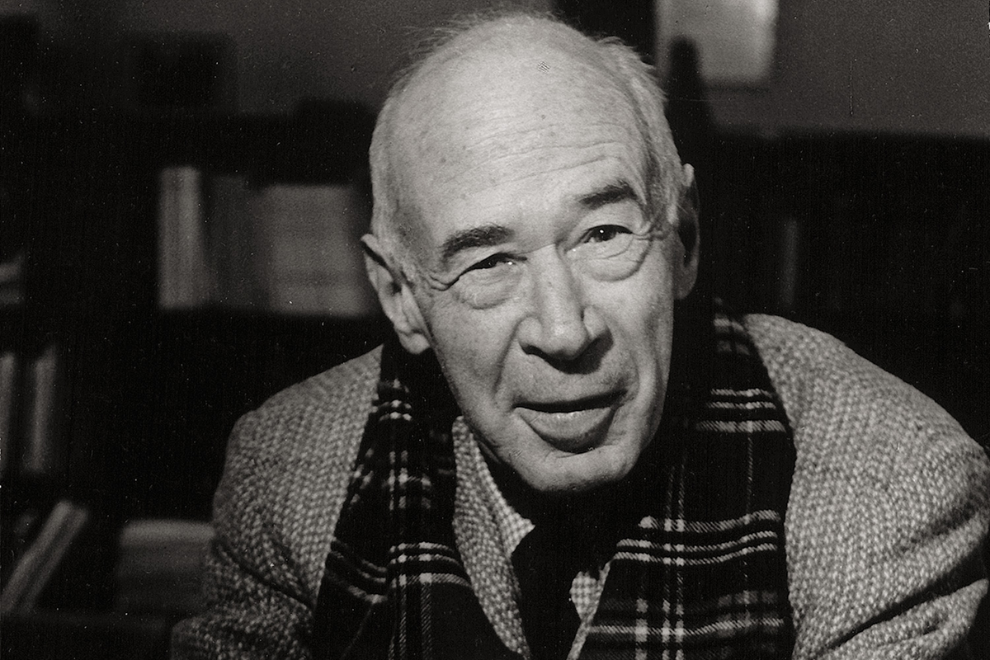
Henry Miller: The Literary Rebel Who Redefined Modern Autobiographical Fiction

Introduction Henry Miller was one of the most controversial and influential American writers of the 20th century. Best known for his provocative and introspective novels, Miller broke literary boundaries with his autobiographical style, philosophical themes, and candid depictions of sexuality. His works, once banned in the United States, are now hailed as literary masterpieces that shaped modern writing. Early Life and Background Henry Valentine Miller was born on December 26, 1891, in New York City. He was raised in a working-class German-American household in Brooklyn. After attending City College of New York for only one semester, he dropped out and worked various jobs before fully embracing a writing career. Miller didn’t publish his first major work until his 40s, but once he did, he quickly became a voice of rebellion and intellectual honesty in literature. Major Works and Literary Style Henry Miller’s writing combined memoir, fiction, philosophy, and social criticism, making his style highly original and deeply personal. His most famous works were initially banned for their explicit content, but later recognized for their literary merit and boldness. Key Works: Controversy and Censorship Miller’s works were widely censored for decades due to their graphic nature. His writing challenged the conservative norms of the early 20th century. The 1961 publication of Tropic of Cancer in the U.S. led to a landmark Supreme Court ruling that helped redefine freedom of expression in American literature. Philosophy and Influence Henry Miller believed in living authentically, rejecting materialism, and embracing human experience in its rawest form. His unapologetic attitude and literary experimentation influenced writers like Jack Kerouac, Allen Ginsberg, Anaïs Nin, and even modern authors like Charles Bukowski. Inspirational Quotes by Henry Miller Conclusion Henry Miller remains a literary icon of rebellion, truth, and freedom. His raw, honest, and fearless approach to life and literature opened the door for future generations of writers to explore the human condition without censorship or apology. From his banned books to his brilliant reflections on life, Miller’s legacy is that of a fearless voice for authenticity.

featured imhg 1 4

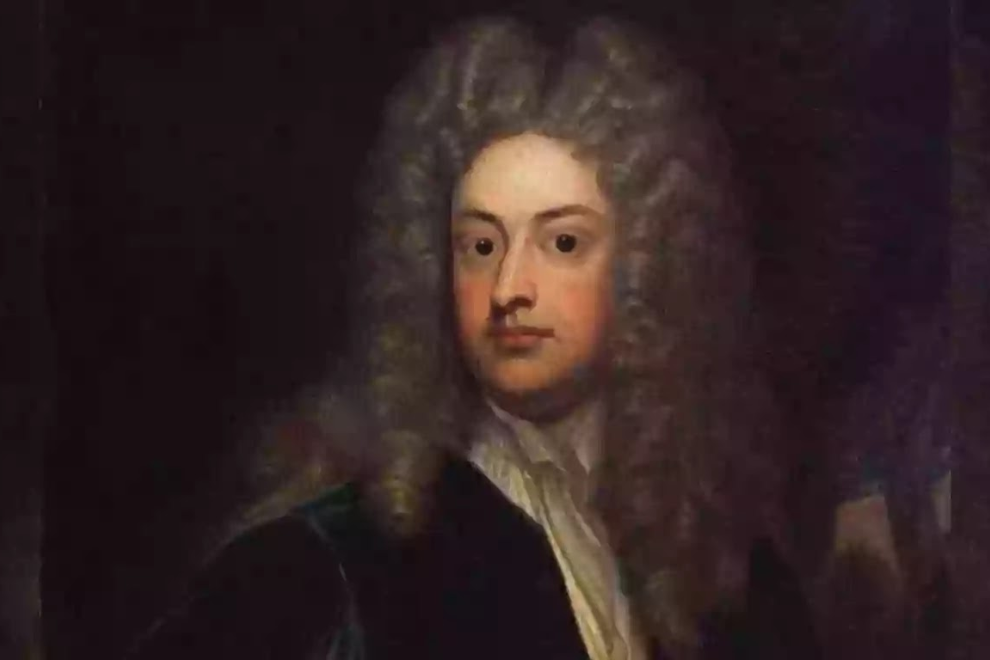
Joseph Addison: The Elegant Essayist and Voice of Enlightenment England

Introduction Joseph Addison was a renowned English essayist, poet, playwright, and politician of the early 18th century. Best known as the co-founder of The Spectator with Richard Steele, Addison played a significant role in shaping the literary and intellectual life of Enlightenment England. His writings emphasized morality, reason, and good taste — earning him lasting respect in literary circles. Early Life and Education Joseph Addison was born on May 1, 1672, in Milston, Wiltshire, England. He received an exceptional education, studying at Charterhouse School and later at Oxford University, where he gained recognition for his classical scholarship and poetry. Initially groomed for a career in the church, Addison turned to writing and politics. His early success came through poems that praised British victories and monarchs, establishing his reputation as a man of letters. Career in Writing and Politics Addison’s rise to prominence was marked by his partnership with Sir Richard Steele in publishing The Tatler and later The Spectator — a daily publication that combined essays on current events, philosophy, manners, and literature. Key Achievements: Legacy and Literary Impact Addison’s essays were admired for their clarity, logic, and moral tone. He championed the Enlightenment values of reason, moderation, and civility, helping shape British middle-class culture. His work aimed to refine public taste, uplift conversation, and encourage virtue — all through graceful prose and subtle humor. Today, Addison is remembered not just as a stylist, but as a moral guide and cultural reformer, whose influence still resonates in journalism and ethical writing. Inspirational Quotes by Joseph Addison Conclusion Joseph Addison was more than an essayist — he was a voice of reason in a rapidly evolving society. Through his elegant prose, moral insight, and devotion to public service, he helped lay the foundation for modern journalism and Enlightenment thought. His works continue to inspire readers to pursue clarity, virtue, and thoughtful reflection in an often chaotic world.

featured imhg 11

Kim Tae-hyung (V of BTS): The Voice, Vision, and Soul of a Global Icon

Introduction Kim Tae-hyung, known globally as V, is a South Korean singer, songwriter, and actor who gained international fame as a member of BTS, the world’s most influential K-pop group. With his deep, soulful voice and unique charisma, V has become a global cultural icon, inspiring millions through music, art, and personality. Early Life and Background Kim Tae-hyung was born on December 30, 1995, in Daegu, South Korea. Raised in a humble family, he discovered his passion for music early on and began playing the saxophone as a child. After a spontaneous audition at BigHit Entertainment, he was selected as a BTS trainee — an opportunity that would change his life forever. Rise with BTS V debuted as a vocalist of BTS in 2013, and his baritone voice immediately stood out. Over the years, he has contributed not only with his vocal strength but also as a songwriter, visual artist, and performer. Career Highlights: Artistry and Personality Kim Tae-hyung is celebrated not only for his music but also for his artistic vision, fashion sense, and warm, quirky personality. His love for classical art and vintage aesthetics sets him apart in the world of pop culture. V’s influence extends into fashion, often hailed as one of the most stylish idols in K-pop. Inspirational Quotes by Kim Tae-hyung (V) Conclusion Kim Tae-hyung has become a symbol of creativity, emotional depth, and global connection. Whether on stage with BTS, releasing solo music, or simply sharing his thoughts with fans, V continues to touch hearts worldwide. His journey from Daegu to the biggest stages in the world reminds us that talent, authenticity, and persistence can create something truly unforgettable.

featured imhg 1 3

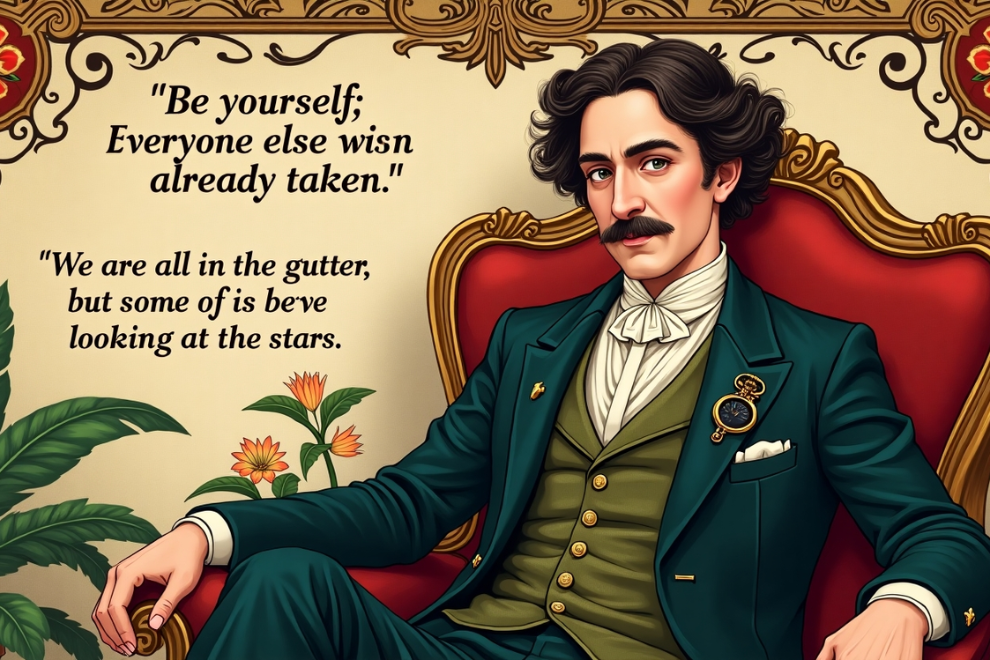
Oscar Wilde’s Greatest Quotes and the Story Behind the Icon

Introduction Oscar Wilde was a literary genius and one of the most influential writers of the late 19th century. Known for his sharp wit, flamboyant style, and brilliant works, Wilde remains a beloved figure in literature and culture. His plays, essays, and novel The Picture of Dorian Gray continue to be studied and celebrated around the world. Early Life and Education Oscar Fingal O’Flahertie Wills Wilde was born on October 16, 1854, in Dublin, Ireland. He studied at Trinity College and later at Oxford University, where he excelled in classics and literature. Even during his student years, Wilde was known for his flamboyant personality and love for art, beauty, and language. Career Highlights and Literary Works Wilde became one of the most successful playwrights of the Victorian era, known for his brilliant social commentary and clever dialogue. His only novel, The Picture of Dorian Gray, remains a literary classic that explores the tension between morality and aestheticism. Most Famous Works: Personal Struggles and Legacy Despite his fame, Wilde faced immense challenges due to his sexuality in conservative Victorian society. In 1895, he was imprisoned for “gross indecency” under British law. After two years in prison, his health declined, and he lived his final years in exile in France. Wilde died on November 30, 1900, but his work and philosophy continue to resonate. Today, he is celebrated as a symbol of artistic freedom, individualism, and courage in the face of injustice. Inspirational Quotes by Oscar Wilde Conclusion Oscar Wilde’s influence on literature, theatre, and culture remains profound. He challenged norms, celebrated beauty and truth, and used his wit as a weapon against hypocrisy and conformity. Despite personal trials, Wilde’s voice continues to inspire writers, thinkers, and lovers of language around the world. Whether you’re studying his plays or quoting his sharp observations, Oscar Wilde remains an icon of literary brilliance and unapologetic authenticity.

featured imhg 10

Jasprit Bumrah: India’s Bowling Spearhead and His Rise to Cricketing Greatness

Introduction Jasprit Bumrah has redefined fast bowling for modern India. Known for his unorthodox action, pinpoint accuracy, and lethal yorkers, Bumrah is India’s go-to bowler across all formats. His journey from a humble background to becoming one of the world’s top pacers is nothing short of inspirational. Early Life and Background Jasprit Jasbirsingh Bumrah was born on December 6, 1993, in Ahmedabad, Gujarat. Raised by a single mother after his father’s early demise, Bumrah faced challenges from a young age. Despite financial and emotional hardships, his love for cricket never faded. His unique bowling style caught attention during local matches, eventually leading to his selection in domestic cricket. Rise to International Stardom Bumrah first came into the spotlight during the Indian Premier League (IPL) with Mumbai Indians in 2013. His ability to bowl toe-crushing yorkers at the death made him stand out. He made his international debut for India in 2016, and within a short span, became a match-winner for the team. Key Achievements: Bowling Style and Strength Bumrah’s success lies in his unique action, ability to bowl searing yorkers, deceptive slower balls, and his temperament under pressure. He is considered one of the best bowlers in the death overs and one of India’s most dependable bowlers in any condition. Inspirational Quotes by Jasprit Bumrah Conclusion Jasprit Bumrah’s journey from a young boy in Ahmedabad to becoming one of the world’s leading fast bowlers is a testament to hard work, belief, and perseverance. His calm demeanor, work ethic, and match-winning abilities make him a role model for aspiring cricketers around the globe. With many more years ahead, Bumrah continues to be India’s bowling spearhead and a symbol of modern fast bowling excellence.