banners 2 4

Partition of India – A Story of Freedom and Pain

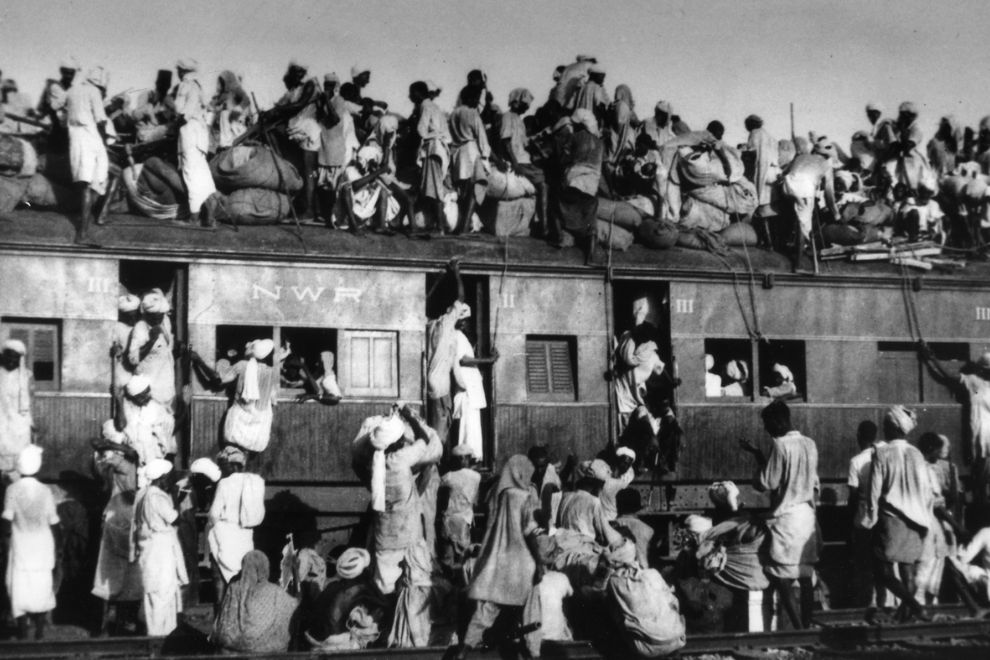
Introduction The Partition of India in 1947 was one of the most significant and heartbreaking events in South Asian history. It marked the end of nearly two centuries of British colonial rule and the birth of two independent nations—India and Pakistan. But this freedom came at a heavy cost—millions displaced, families separated, and countless lives lost. The memories of Partition are etched deep into the hearts of those who lived through it, and its echoes still shape the relationship between the two countries today. Historical Background In the early 20th century, the Indian independence movement gained momentum with leaders like Mahatma Gandhi, Jawaharlal Nehru, and Subhas Chandra Bose fighting for freedom. The demand for a separate Muslim homeland, championed by Muhammad Ali Jinnah and the All-India Muslim League, became a central political issue in the 1940s. Religious tensions, fueled by years of colonial policies that encouraged division, grew stronger. The British strategy of “divide and rule” deepened the rift between Hindus and Muslims, and when the final withdrawal plan was discussed, Partition seemed inevitable. Key Events Leading to Partition The Radcliffe Line and Division The borders between India and Pakistan were drawn by a British lawyer, Sir Cyril Radcliffe, who had never been to India before. He had just five weeks to decide the fate of millions. His decisions split villages, rivers, railway lines, and even homes into two different countries, creating chaos and mass migration. Impact on People The Partition triggered one of the largest migrations in human history. Around 14 million people crossed borders—Hindus and Sikhs moved to India, Muslims to Pakistan. Trains arrived full of corpses, entire villages were burned, and women faced unspeakable atrocities. Families that had lived together for generations were torn apart overnight. It was not just a political separation—it was an emotional amputation. Personal Stories & Human Cost Elderly survivors still recall the journey they made—often on foot, without food or water. Children were lost in the chaos, never to be found again. Neighbors who once celebrated festivals together suddenly saw each other as enemies. Political Consequences Long-Term Effects Lessons from History Partition reminds us that political decisions can have devastating human consequences. While freedom was a cause for celebration, the bloodshed that accompanied it shows that unity, tolerance, and dialogue are the true foundations of peace. 50 Original Quotes on the Partition of India (Mix of English & Hindi for emotional depth) Conclusion The Partition of India is a reminder that while political borders may be drawn in ink, they leave behind marks that last generations. The tragedy was not just in the violence, but in the loss of shared culture, trust, and love. Even today, as India and Pakistan walk separate paths, the stories of Partition call on us to choose peace over prejudice, and humanity over hatred.

banners 1 6

Independence Day of India – A Journey of Freedom and Pride

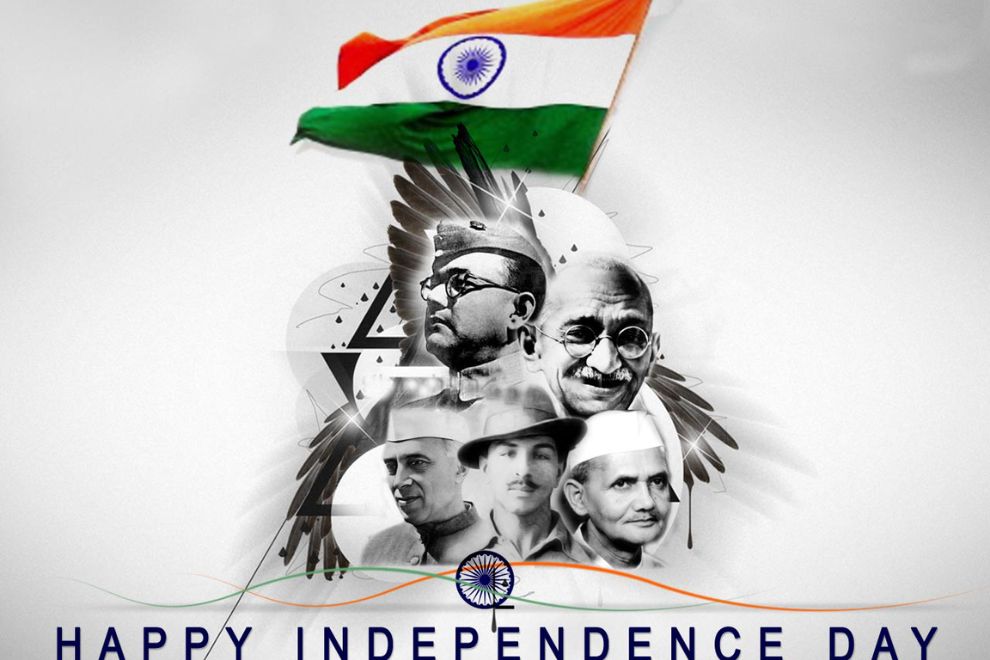
Introduction Independence Day of India, celebrated every year on 15th August, is more than just a national holiday — it is the soul of India’s identity. On this day in 1947, India broke free from over 200 years of British colonial rule and stepped into the light of self-governance, democracy, and unity. The day is a tribute to the countless freedom fighters who sacrificed their lives for the nation’s liberty and to the visionaries who laid the foundation of modern India. Historical Background India’s journey to freedom was not a single event but a long-drawn movement that began centuries before 1947. From the First War of Independence in 1857 to the Non-Cooperation Movement, Civil Disobedience Movement, and the Quit India Movement, every struggle brought India closer to sovereignty. Key events include: – 1857 Revolt: Led by Mangal Pandey, Rani Lakshmibai, and Tantia Tope. – Formation of Indian National Congress (1885). – Jallianwala Bagh Massacre (1919). – Salt March (1930). – Quit India Movement (1942). Finally, on the midnight of 14–15 August 1947, Pandit Jawaharlal Nehru delivered his famous “Tryst with Destiny” speech. Significance of Independence Day Independence Day stands for unity in diversity, self-governance, democratic values, and national pride. It reminds citizens of the sacrifices made by heroes like Bhagat Singh, Subhas Chandra Bose, Mahatma Gandhi, Sardar Patel, and Bal Gangadhar Tilak. Independence Day Celebrations Across India In New Delhi, the Prime Minister hoists the national flag at the Red Fort and addresses the nation. The event features a Guard of Honour, cultural programs, and patriotic songs. Across India, streets and homes are decorated with the tricolor, and kite flying, movies, and events mark the day. The Indian Flag – A Symbol of Freedom The Tiranga represents courage (saffron), peace (white), prosperity (green), and the Ashoka Chakra — the eternal wheel of law. Patriotism and Modern Challenges Independence Day renews patriotism but also reminds us of challenges like poverty, unemployment, corruption, environmental threats, and maintaining unity. Independence Day in the Global Context India’s independence inspired many nations under colonial rule. Today, India is one of the largest democracies, playing a key role in global peace and economy. Life Lessons from Independence Day Freedom comes with responsibility; unity is strength; sacrifice leads to progress; education empowers; and every citizen can bring change. 50 Original Independence Day Quotes “Freedom is not just a gift from our past, it is a responsibility for our future.” “Our flag flies high because it is lifted by the sacrifices of millions.” “Independence is not a date, it is a mindset.” “The tricolor is not just a flag, it is the heartbeat of our nation.” “Let us build the India our freedom fighters dreamed of.” “True patriotism is serving your country when no one is watching.” “Freedom is the courage to shape your destiny.” “A strong nation is built by responsible citizens.” “Our ancestors gave us freedom, our duty is to give our children a better India.” “Independence Day is not just a celebration, it’s a promise.” “The real celebration of freedom is in equality and justice for all.” “Every drop of a martyr’s blood is a seed of liberty.” “Independence is living with dignity and respect.” “Raise the flag in your heart before you raise it on a pole.” “We are free because they were brave.” “The tricolor tells a story that words cannot.” “Freedom without responsibility is just chaos.” “Patriotism is not seasonal; it’s a lifelong commitment.” “Our freedom fighters fought with hope, let’s honor them with action.” “A nation grows when its people grow together.” “The strength of India is in its unity.” “Freedom is precious; protect it with integrity.” “Celebrate freedom, but never forget its price.” “Independence is a bridge to progress, not a resting place.” “Our history is written in courage.” “Salute the flag, but also salute the farmer, soldier, and teacher.” “True independence is when no citizen is left behind.” “Let the spirit of freedom guide every decision you make.” “We are the voice of those who gave their lives in silence.” “The tricolor is the proof of our resilience.” “Honor the past, empower the present, and secure the future.” “Patriotism is love in action.” “Every generation must earn the right to be called free.” “Our greatest tribute to freedom is unity.” “India’s strength is in the diversity it embraces.” “Independence is not for selfishness, it is for service.” “The soil of India is soaked with the blood of heroes.” “Celebrate freedom by uplifting the weakest among us.” “Freedom is when the poorest citizen feels safe and respected.” “The flag is our promise to never bow down.” “We are the dreams our ancestors fought for.” “India’s heart beats in every patriot’s chest.” “Our freedom is living proof of resilience.” “Never take liberty for granted.” “To love India is to serve its people.” “Our diversity is not our weakness, it is our greatest strength.” “The true wealth of India is its unity.” “Freedom thrives in a just society.” “We are custodians of the freedom we inherited.” “May our flag always wave over a land of peace, unity, and prosperity.”

banners 12

Saddam Hussein: Rise, Rule, and Legacy of Iraq’s Strongman

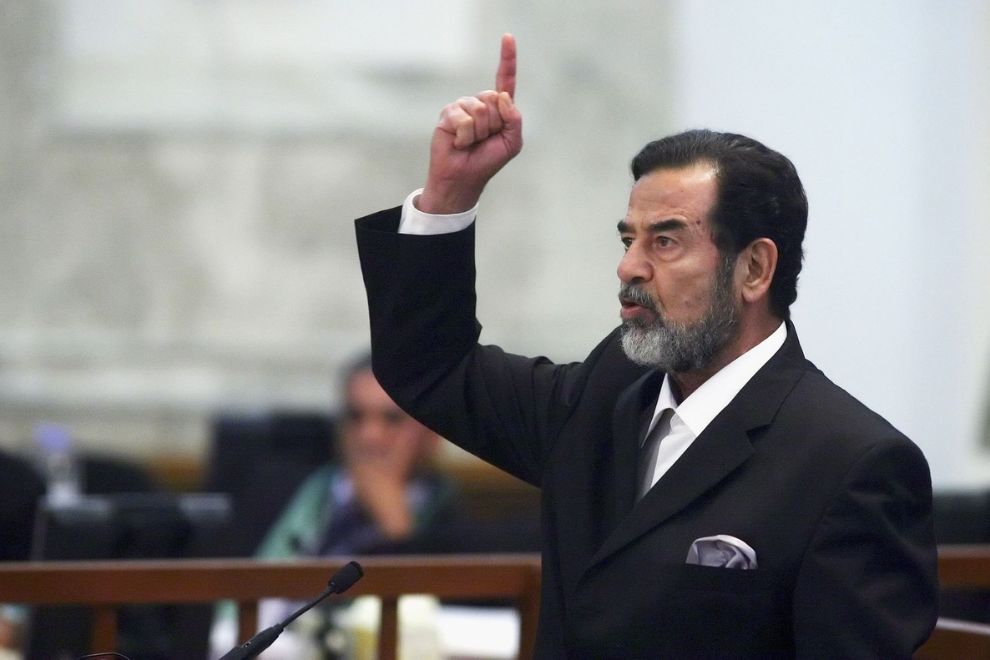
1. Introduction Saddam Hussein remains one of the most polarizing figures of modern Middle Eastern history. As the president of Iraq from 1979 to 2003, he shaped the country through a combination of authoritarian rule, ambitious modernization projects, war, and political repression. His tenure witnessed both economic development and devastating conflicts that altered Iraq’s trajectory for decades. To some, he was a defender of Arab nationalism and Iraqi sovereignty; to others, he was a ruthless dictator whose policies brought untold suffering to his people. 2. Early Life and Background Saddam Hussein Abd al-Majid al-Tikriti was born on April 28, 1937 in the village of Al-Awja, near Tikrit, Iraq. His early life was marked by poverty and hardship. His father either died or disappeared before Saddam’s birth, leaving his mother to raise him. At age ten, Saddam left his village for Baghdad, living with his uncle Khairallah Talfah, a fervent Arab nationalist and a strong influence on the young Saddam’s political worldview. From an early age, Saddam displayed a combination of ambition, resilience, and a readiness to use force. These traits would later define his political career. His teenage years were shaped by the growing influence of the Ba’ath Party, an Arab nationalist movement that sought to unite the Arab world under a single socialist framework. 3. Rise to Power In 1957, Saddam formally joined the Ba’ath Party, quickly gaining a reputation for loyalty and fearlessness. A year later, he participated in an assassination attempt against then-Prime Minister Abdul Karim Qasim, which forced him into exile. He spent years in Egypt before returning to Iraq after the Ba’athists briefly seized power in 1963. The defining moment came with the 1968 coup, when the Ba’ath Party, supported by the military, took control of the government. Saddam initially served as vice president under President Ahmed Hassan al-Bakr. However, his influence rapidly expanded through his control over the Mukhabarat (secret police) and other security forces. By July 16, 1979, al-Bakr resigned, and Saddam assumed the presidency, consolidating power through a purge of potential rivals. 4. Political Ideology and Governance Saddam Hussein’s rule was rooted in Ba’athist ideology, combining Arab nationalism with elements of socialism. He championed the idea of a united Arab world, opposing Western influence and Zionism. Economically, he nationalized Iraq’s oil industry in 1972, significantly increasing state revenues. These funds financed infrastructure projects, education, healthcare, and industrial development, turning Iraq into one of the most advanced states in the region during the late 1970s. However, this modernization came at the cost of political freedom. Saddam’s governance relied on an extensive security apparatus, censorship, and the suppression of dissent. His image was omnipresent—through statues, portraits, and state-controlled media—creating a cult of personality that reinforced his authority. 5. Key Events During His Rule The Iran–Iraq War (1980–1988) Tensions with Iran escalated after the 1979 Iranian Revolution, which brought Ayatollah Khomeini to power. Saddam feared the spread of Shia revolutionary ideology into Iraq’s Shia-majority population. In September 1980, Iraq invaded Iran, sparking an eight-year war characterized by trench warfare, economic strain, and heavy casualties. The conflict ended in a stalemate, with neither side achieving decisive victory. Invasion of Kuwait (1990) In August 1990, Saddam ordered the invasion of Kuwait, accusing it of overproducing oil and stealing Iraqi reserves through slant drilling. The move triggered a swift international response, culminating in the Gulf War of 1991, in which a US-led coalition expelled Iraqi forces. Following the war, the United Nations imposed harsh sanctions that crippled Iraq’s economy. Internal Suppression Saddam’s regime was notorious for its brutal suppression of uprisings. After the Gulf War, Kurdish and Shia rebellions erupted but were crushed with overwhelming force. In 1988, during the closing stages of the Iran–Iraq War, Iraqi forces used chemical weapons in Halabja, killing thousands of Kurdish civilians. 6. Human Rights Record International organizations documented extensive human rights abuses during Saddam’s rule, including mass executions, torture, forced disappearances, and the targeting of ethnic and political minorities. His policies toward the Kurds, particularly the Anfal Campaign, were widely regarded as genocidal. Political prisoners often faced horrific conditions in detention centers, and dissent was met with immediate and often lethal retribution. 7. International Relations Saddam’s foreign policy shifted dramatically over time. During the Iran–Iraq War, he received support from both the United States and the Soviet Union, as they viewed Iran as a mutual threat. However, his invasion of Kuwait turned former allies into enemies. By the late 1990s, Iraq was increasingly isolated, with its economy devastated by sanctions and its military power diminished. 8. Fall from Power In 2003, the United States and its allies accused Saddam of possessing weapons of mass destruction (WMDs) and supporting terrorism. The US-led invasion in March 2003 quickly toppled his government. Saddam went into hiding but was captured in December 2003 near Tikrit in what became known as Operation Red Dawn. He was tried by the Iraqi Special Tribunal for crimes against humanity, primarily related to the killing of 148 Shia Muslims in the town of Dujail in 1982. Found guilty, Saddam Hussein was executed by hanging on December 30, 2006. 9. Legacy and Historical Debate Saddam Hussein’s legacy is deeply contested. The instability that followed his removal has led some to reassess the consequences of his overthrow, but few dispute the authoritarian nature of his regime. 10. Notable and Rephrased Saddam Hussein Quotes Authentic Historical Quotes (Rephrased for Originality): Original Saddam-Inspired Quotes (Unique Wording):6. “Power is not in the sword, but in the will to wield it without hesitation.”7. “A nation’s dignity is worth more than a thousand peaceful days under occupation.”8. “Strength without vision is chaos; vision without strength is weakness.”9. “History favors those who dare, not those who wait.”10. “A leader’s legacy is carved not in speeches, but in the battles he chooses to fight.” 11. Conclusion Saddam Hussein’s life and rule stand as a powerful case study in the complexities of political leadership, nationalism, and authoritarianism. His policies reshaped Iraq’s economy and society, but also plunged the country

banners 11

James Earl Ray: The Man, the Crime, and the Controversy

Introduction James Earl Ray is a name etched into American history for one reason: his conviction for the assassination of Dr. Martin Luther King Jr., the most influential leader of the Civil Rights Movement. On April 4, 1968, a single gunshot ended King’s life in Memphis, Tennessee, sparking outrage, grief, and suspicion. The official story names Ray as the lone gunman, but for decades, debates have persisted over whether he acted alone or was part of a larger conspiracy. This article examines Ray’s life, the crime, his trial, his claims of innocence, and the controversies that still cast a shadow over one of America’s darkest moments. Early Life and Background James Earl Ray was born on March 10, 1928, in Alton, Illinois, to George Ellis Ray and Lucille Ray. The eldest of nine children, Ray’s childhood was marked by poverty and instability. His father was frequently in trouble with the law, and the family often moved, living in a series of run-down homes. In 1945, Ray joined the U.S. Army but was discharged after World War II ended. His early adult years were plagued by petty crime, including burglary, armed robbery, and mail fraud. By the late 1940s, he was spending more time in prison than out. This criminal background set the stage for the notoriety he would later gain. Criminal Career Before 1968 Ray’s criminal record grew steadily in the 1950s and early 1960s. Convicted multiple times for armed robbery, he was sentenced to 20 years at the Missouri State Penitentiary in 1959. In April 1967, he managed to escape by hiding in a bread delivery truck, beginning a life on the run that lasted until his arrest after the King assassination. During this period, Ray traveled extensively, sometimes using aliases. He was reportedly interested in emigrating to Rhodesia (now Zimbabwe), which at the time was under a white minority government. His movements in the year before King’s assassination remain a focus of researchers and conspiracy theorists alike. The Assassination of Martin Luther King Jr. The events of April 4, 1968, took place against the backdrop of national unrest. Dr. Martin Luther King Jr. was in Memphis to support a sanitation workers’ strike. At approximately 6:01 PM, King was standing on the balcony of the Lorraine Motel when he was struck by a bullet to the jaw. He was rushed to St. Joseph’s Hospital but was pronounced dead an hour later. Investigators quickly found a rifle, binoculars, and personal belongings wrapped in a blanket near a rooming house across from the motel. The rifle was traced back to a purchase made under the alias “Harvey Lowmeyer,” which authorities linked to James Earl Ray. Capture and Trial Following the assassination, Ray fled to Canada and then to the United Kingdom, using multiple fake identities. On June 8, 1968, he was arrested at London’s Heathrow Airport while attempting to board a flight to Brussels. His capture ended one of the largest manhunts in FBI history. In March 1969, Ray pleaded guilty to the murder of Dr. King to avoid the death penalty. He was sentenced to 99 years in prison. However, just days later, he recanted his confession, claiming he had been coerced into pleading guilty by his attorney. Ray’s Recantation and Claims of Innocence For the rest of his life, Ray maintained that he was not the actual shooter. He claimed to have been manipulated by a mysterious man named “Raoul,” who allegedly recruited him for gun-running and set him up as the fall guy. Ray’s version of events was met with skepticism, but it gained traction among some journalists, researchers, and even members of the King family. He spent decades filing appeals, seeking a trial to prove his innocence, but was consistently denied. Conspiracy Theories and Investigations The controversy surrounding King’s assassination has fueled numerous conspiracy theories. In 1979, the House Select Committee on Assassinations concluded that while Ray fired the shot, there was a “likelihood” of a conspiracy involving others. Some theories implicate organized crime, while others point to U.S. government agencies such as the FBI or CIA, citing their hostility toward King’s activism. In 1999, the King family filed a civil suit against Loyd Jowers, a Memphis restaurant owner, and “other unknown co-conspirators.” The jury concluded that Jowers was part of a conspiracy to assassinate King, further complicating the historical record. Prison Life and Escape Attempts Ray’s prison years were eventful. In 1977, he escaped from Brushy Mountain State Penitentiary along with six other inmates but was recaptured after three days. His health declined in the 1990s, and he was diagnosed with liver disease. In 1998, he died at age 70 from complications related to kidney failure and liver disease. Public Perception and Legacy To many, James Earl Ray remains the convicted assassin of Dr. King. To others, he is a symbol of unresolved justice and unanswered questions. His case continues to be studied by historians, journalists, and conspiracy theorists, reflecting America’s ongoing struggle to reconcile its history of racial violence and political assassination. Notable Quotes and Historical Records While James Earl Ray was not known for eloquent public statements, several notable remarks and recorded statements reflect his position: Conclusion James Earl Ray’s life story is a complex mix of confirmed facts and unresolved mysteries. While the official record marks him as the man who killed Dr. Martin Luther King Jr., alternative narratives continue to challenge that conclusion. Whether Ray was a lone gunman or a pawn in a deeper conspiracy, his name will forever be linked to one of the most tragic events in American history. The unanswered questions surrounding his case remind us that history is not always neat and conclusive — sometimes, it is tangled in shadows and controversy.

banners 10 1

Joseph Goebbels: The Mastermind of Nazi Propaganda and His Modern Relevance

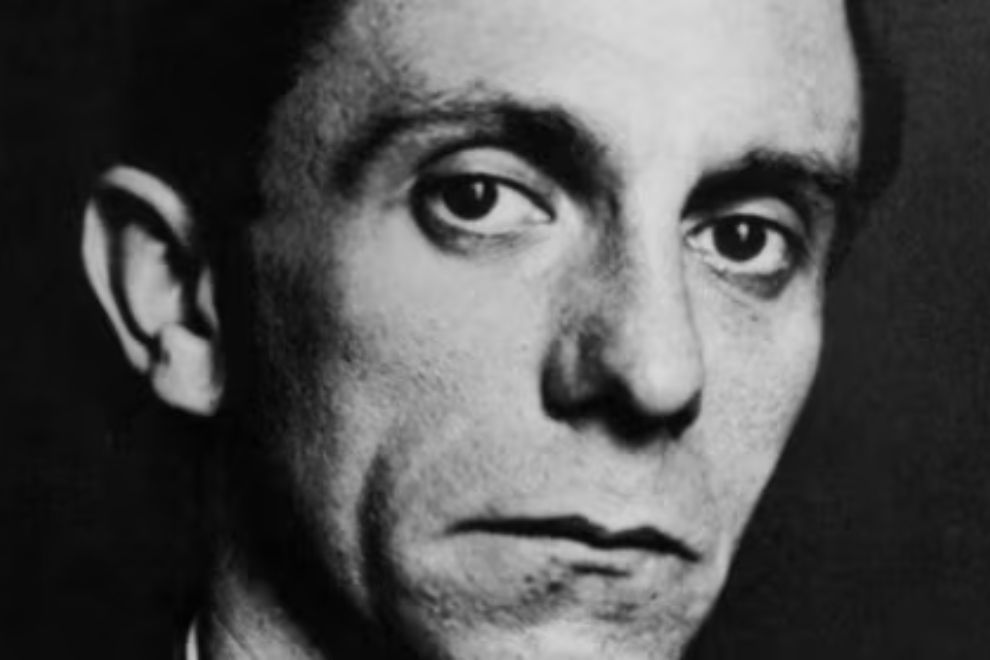
1. Introduction Joseph Goebbels remains one of the most infamous figures of the 20th century, remembered as Adolf Hitler’s chief propagandist and a master manipulator of mass opinion. As the Reich Minister of Propaganda from 1933 to 1945, he shaped the Nazi Party’s public image, controlled the German media, and engineered campaigns that fueled hatred, division, and blind loyalty to the Führer. His mastery of psychological influence turned propaganda into a political weapon, cementing his place in history as a symbol of manipulation at its darkest. Studying Goebbels is not about admiration—it is about understanding how dangerous misinformation can be when used to distort truth and control societies. In today’s world of social media, echo chambers, and algorithm-driven news feeds, many of Goebbels’ techniques still find echoes, making his life story disturbingly relevant. 2. Early Life and Education Paul Joseph Goebbels was born on October 29, 1897, in Rheydt, Germany. The son of a factory clerk, he grew up in a modest Catholic household. A childhood illness left him with a deformed right foot, forcing him to walk with a limp. This physical disability would deeply affect his self-esteem, driving him to overcompensate through intellect and ambition. Goebbels excelled in academics, showing a strong aptitude for literature and languages. He attended several universities—Freiburg, Bonn, and Heidelberg—earning a doctorate in literature in 1921. His early ambitions were not political but literary; he aspired to become a novelist and playwright. However, his early works failed to gain significant recognition, and by the mid-1920s, political developments in Germany began to attract his attention. 3. Political Rise The chaos of post–World War I Germany, marked by economic crisis and political instability, drew Goebbels toward nationalism. In 1924, he joined the National Socialist German Workers’ Party (NSDAP), better known as the Nazi Party. Initially aligned with the party’s more socialist-leaning faction, Goebbels’ views shifted after meeting Adolf Hitler in 1926. Impressed by Hitler’s charisma, Goebbels pledged his loyalty and quickly rose through the ranks. By 1929, he was appointed Gauleiter (regional party leader) of Berlin, where his aggressive propaganda campaigns significantly expanded Nazi influence in the capital. 4. Minister of Propaganda: Building the Nazi Narrative In 1933, after the Nazis seized power, Hitler appointed Goebbels as Reich Minister of Propaganda and Public Enlightenment. This role gave him control over virtually every aspect of cultural and informational life in Germany. Newspapers, radio broadcasts, films, theater productions, books, and even art exhibitions fell under his authority. Goebbels’ main objectives were to glorify Hitler, promote Nazi ideology, and suppress any dissent. He ensured that all media aligned with the regime’s message and that alternative voices were silenced through censorship or intimidation. Public rallies—most famously the Nuremberg rallies—became grand spectacles designed to stir national pride and unity. He also worked to create a mythic image of Hitler as the savior of Germany, portraying him as a visionary leader chosen by fate. 5. Propaganda Strategies and Techniques Goebbels was not only a propagandist but also a student of human psychology. He understood how emotions, repetition, and simplification could sway public opinion. Some of his most notable techniques included: These methods proved alarmingly effective, enabling the Nazis to maintain public support even during military defeats and economic hardship. 6. Personal Life In 1931, Goebbels married Magda Quandt, a woman from an affluent background. Their marriage became a propaganda tool, projecting the image of a perfect Nazi family. They had six children, whose lives were heavily publicized to promote the Nazi ideal of family values. Privately, however, their marriage was turbulent. Goebbels’ numerous affairs, including one with actress Lída Baarová, caused repeated strains. Magda, despite personal grievances, remained publicly loyal to her husband and the Nazi cause. 7. Goebbels During World War II When World War II broke out in 1939, Goebbels intensified his propaganda efforts to keep the German population committed to the war effort. Even as the tide turned against Germany, he worked tirelessly to maintain morale, portraying defeats as temporary setbacks and enemies as existential threats to the nation. His infamous Total War Speech in February 1943 urged Germans to commit every resource to the war, even as the Allied forces advanced. Simultaneously, his anti-Semitic campaigns became more aggressive, attempting to justify the Holocaust as a necessary act for Germany’s survival. 8. Downfall and Death By April 1945, Nazi Germany was collapsing. Soviet forces were closing in on Berlin, and Hitler had retreated to his underground bunker. Goebbels remained by Hitler’s side until the end. After Hitler’s suicide on April 30, Goebbels briefly became Chancellor of Germany—a role he held for just one day. On May 1, 1945, Goebbels and Magda poisoned their six children before taking their own lives. The next day, their bodies were found outside the bunker, partially burned in a failed attempt at cremation. 9. Legacy and Historical Impact Joseph Goebbels is remembered as one of history’s most dangerous manipulators. His techniques have been studied in journalism, political science, and psychology as cautionary examples of how media can be abused. While his ideology is universally condemned, his methods remain relevant for understanding the mechanics of propaganda and disinformation. 10. Propaganda Techniques Still Used Today Although the world has changed dramatically since the 1940s, many of Goebbels’ propaganda strategies still echo in modern political and media landscapes: Understanding these patterns is crucial in resisting manipulation today. Media literacy—fact-checking, seeking diverse viewpoints, and questioning sources—is the modern defense against the dangers Goebbels exemplified. 11. Notable Quotes by Joseph Goebbels (with Context) (Historical note: These quotes are presented solely for educational purposes, not endorsement.) 12. Conclusion Joseph Goebbels’ legacy is a chilling reminder of how propaganda can reshape reality, erode truth, and destroy democratic values. His ability to mold public opinion through controlled messaging and emotional manipulation turned him into one of history’s most feared communicators. In the digital age, his techniques resurface in new forms, making it more important than ever to approach media critically. By studying figures like Goebbels, we not only understand the past

banners 9 1

Ethel Rosenberg: The Life, Trial, and Legacy of a Controversial Figure in American History

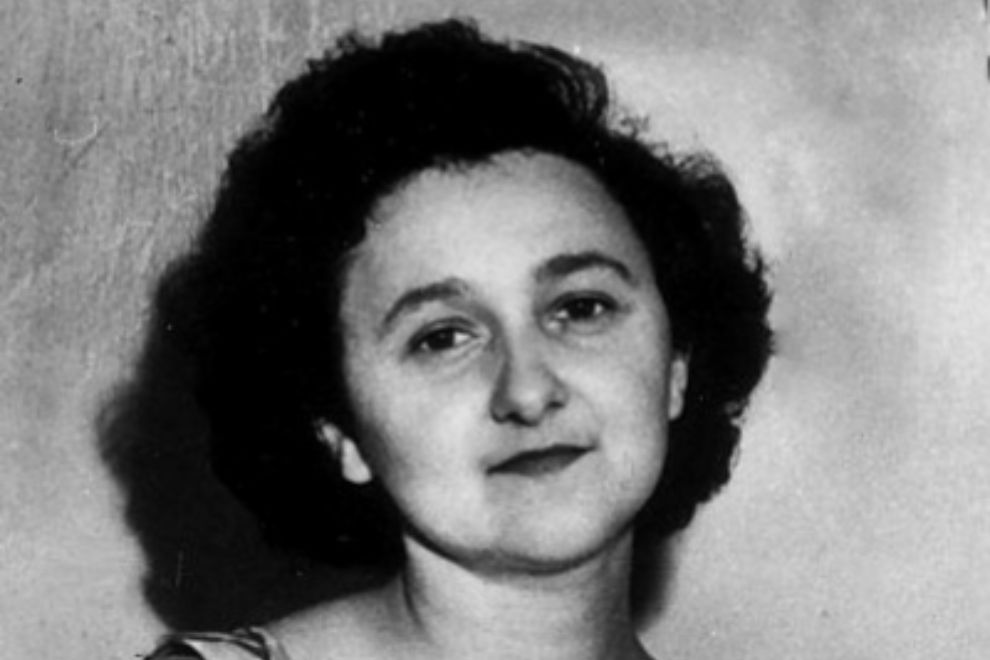
1. Introduction In the annals of American history, few cases have stirred as much controversy and debate as that of Ethel Rosenberg. Convicted of espionage alongside her husband, Julius Rosenberg, she was executed in 1953 at the height of the Cold War. Her name became synonymous with the deep fears, political tensions, and moral dilemmas of the era.For some, she was a traitor who betrayed her country’s secrets to a foreign power. For others, she was a victim of political hysteria, unfairly targeted because of her beliefs and associations. More than seven decades later, the story of Ethel Rosenberg continues to fascinate historians, inspire artists, and provoke fierce arguments about justice, loyalty, and the limits of government power. 2. Early Life and Background Ethel Greenglass was born on September 28, 1915, in New York City’s Lower East Side. She grew up in a working-class Jewish family during a period of economic hardship. Her father worked in the garment industry, and her upbringing was modest but culturally rich.From an early age, Ethel showed intelligence, determination, and a strong sense of justice. She attended Seward Park High School, where she excelled academically and displayed a talent for singing and acting. After graduation, she found work as a clerk and secretary, while also pursuing her interests in the performing arts.Her political awakening came in the 1930s, as the Great Depression and rising fascism in Europe pushed many young Americans toward leftist activism. Ethel became involved in labor movements and joined demonstrations advocating for workers’ rights. This political engagement would later play a crucial role in shaping her fate. 3. Meeting Julius Rosenberg Ethel met Julius Rosenberg, a bright electrical engineering student with strong political convictions, at a meeting of the Young Communist League. Their shared ideals and mutual attraction quickly drew them together. They married in 1939 and settled in New York.The couple’s early years were marked by modest living conditions and close ties to left-wing political circles. They shared a belief in social justice, opposition to fascism, and a hope for a more egalitarian society. However, their association with the Communist Party would later become a central factor in the government’s case against them. 4. Political Climate in the United States (1940s–1950s) Ethel and Julius Rosenberg lived during one of the most politically charged periods in U.S. history. After World War II, tensions between the United States and the Soviet Union escalated into the Cold War. The development of nuclear weapons by the Soviets in 1949 shocked the American public and intensified fears of communist infiltration.McCarthyism—the intense campaign to root out alleged communists in government, entertainment, and other sectors—dominated the political landscape. Loyalty oaths, blacklists, and congressional hearings became common, creating a climate of suspicion and paranoia. In this atmosphere, accusations of espionage carried enormous political weight, and due process often gave way to public fear. 5. The Espionage Allegations In 1950, the FBI arrested Julius Rosenberg on charges of passing atomic secrets to the Soviet Union. Soon after, Ethel was implicated as a co-conspirator. The government accused her of aiding and abetting the espionage activities, primarily based on the testimony of her younger brother, David Greenglass.Greenglass, who had worked at the Los Alamos laboratory during the Manhattan Project, claimed that Julius recruited him to provide classified information and that Ethel had typed up notes containing atomic details. These allegations were critical in securing her indictment.However, critics later pointed out that the evidence against Ethel was largely circumstantial. No physical proof directly tied her to espionage, and much of the case relied on the credibility of witnesses with motives to protect themselves. 6. The Trial (1951) The trial of Julius and Ethel Rosenberg began in March 1951 in New York City. It quickly became a media spectacle, with reporters from around the world covering the proceedings. The prosecution portrayed the Rosenbergs as dangerous traitors who had helped the Soviet Union gain nuclear capabilities, thus endangering the security of the United States.The defense argued that the evidence was weak, inconsistent, and politically motivated. They claimed that Ethel, in particular, was being targeted to pressure Julius into confessing. Despite these arguments, public opinion—shaped by the Cold War hysteria—was overwhelmingly against the couple.Judge Irving Kaufman presided over the trial, and his remarks during sentencing reflected the charged atmosphere. He accused the Rosenbergs of causing the Korean War to escalate by enabling the Soviet nuclear program, a claim that went far beyond the evidence presented. 7. Conviction and Sentencing On March 29, 1951, the jury found both Julius and Ethel Rosenberg guilty of conspiracy to commit espionage. They were sentenced to death—a punishment rarely applied for espionage, especially in peacetime.The sentencing sparked international outrage. Many believed that executing a mother of two on the basis of uncorroborated testimony was excessive and unjust. Appeals were filed, and prominent figures, including Albert Einstein and Pope Pius XII, called for clemency. Despite these efforts, President Dwight D. Eisenhower refused to intervene. 8. The Execution (1953) On June 19, 1953, Julius and Ethel Rosenberg were executed at Sing Sing Prison in Ossining, New York. They maintained their innocence until the very end.Ethel’s final letter to her children expressed love, dignity, and the hope that they would grow up knowing that their parents had acted with integrity. The execution drew massive protests around the world, with demonstrations in major cities condemning what many saw as a politically motivated killing. 9. Controversy and Debate The Rosenberg case has never ceased to be controversial. Supporters argue that Ethel was innocent and targeted solely to pressure Julius into confessing. They point to later revelations—such as David Greenglass admitting in 1996 that he lied about his sister’s role in order to protect his own wife—as evidence of a miscarriage of justice.On the other hand, declassified documents from the Venona Project, which intercepted Soviet communications, suggest that Julius was indeed involved in espionage. Ethel’s role, however, remains less certain. Many historians believe she was aware of her husband’s activities but did not play an active

banners 8 1

Mark David Chapman: The Man Behind the Murder of John Lennon

Introduction Mark David Chapman is a name that forever echoes in the history of music and crime. Known globally as the man who murdered John Lennon on December 8, 1980, outside The Dakota apartments in New York City, Chapman’s act shocked the world. It was a crime that abruptly ended the life of one of the most influential musicians of the 20th century and forever altered the cultural landscape.To many, Chapman is a symbol of dangerous obsession — a reminder of how a single person’s fixation can turn into a violent act with irreversible consequences. Early Life and Background Mark David Chapman was born on May 10, 1955, in Fort Worth, Texas. Raised in a middle-class household, Chapman’s early life was marked by instability and emotional conflict. His father was a staff sergeant in the U.S. Air Force, and his mother worked as a nurse. Family life was strained, with Chapman later describing his father as abusive and emotionally distant. As a teenager, Chapman displayed a vivid imagination and a tendency toward escapism. He became deeply involved in music, literature, and religion. However, he also struggled with feelings of inadequacy and isolation. Friends from his youth often recalled that Chapman could be charming and intelligent but prone to mood swings and bursts of anger. During his adolescence, Chapman ran away from home at least once, reportedly living on the streets for a brief period. This instability contributed to his deepening psychological issues. Path Toward Obsession with John Lennon In the 1970s, Chapman’s interest in music and literature grew into an obsession. Like millions of others, he was inspired by The Beatles, especially John Lennon. Lennon’s music, political activism, and public statements fascinated Chapman. However, his admiration gradually morphed into resentment. The turning point came when Lennon’s 1966 comment about The Beatles being “more popular than Jesus” resurfaced in Chapman’s mind. As a devout Christian at the time, he perceived this as blasphemy. Additionally, Lennon’s affluent lifestyle clashed with the ideals of peace and anti-materialism that he often sang about. This contradiction fueled Chapman’s disillusionment. Chapman also became deeply influenced by J.D. Salinger’s novel The Catcher in the Rye. He began identifying with the protagonist, Holden Caulfield, and saw himself as a “protector” of innocence against perceived hypocrisy in the adult world. In his mind, Lennon became a symbol of that hypocrisy. Events Leading to December 8, 1980 By late 1980, Chapman’s fixation on Lennon had turned dark and violent. He decided to travel from Hawaii, where he was living with his wife, to New York City with the intention of killing Lennon. He brought along a .38 caliber revolver and a copy of The Catcher in the Rye. In a chilling twist, Chapman’s initial trip to New York in October 1980 ended without incident. He returned to Hawaii, but his desire to carry out the act persisted. On December 6, he flew back to New York, determined to follow through. On the morning of December 8, Chapman waited outside The Dakota, Lennon’s residence. Earlier that day, he even met Lennon in person. Lennon signed a copy of his Double Fantasy album for him — a moment captured in a now-infamous photograph. Despite this personal encounter, Chapman remained resolute in his plan. The Murder of John Lennon At approximately 10:50 p.m., Lennon and his wife, Yoko Ono, returned to The Dakota after a recording session. As Lennon walked past Chapman, the latter drew his revolver and fired five shots, hitting Lennon four times in the back and shoulder. The musician collapsed, mortally wounded. Lennon was rushed to Roosevelt Hospital but was pronounced dead on arrival. The news spread rapidly across the globe, sparking grief and disbelief among millions. Immediate Arrest and Trial What made the crime even more unusual was Chapman’s behavior afterward. Instead of fleeing the scene, he remained nearby, calmly reading The Catcher in the Rye until police arrived. He later stated that he felt “relieved” after the shooting, as though a heavy burden had been lifted. Chapman was charged with second-degree murder. His defense team initially considered an insanity plea, but Chapman ultimately chose to plead guilty, claiming it was “God’s will.” In August 1981, he was sentenced to 20 years to life in prison. Psychological Profile and Motivations Psychiatrists who examined Chapman described him as a deeply troubled individual with symptoms of major depressive disorder and possible schizophrenia. His motives appeared to be a combination of personal disillusionment, religious fanaticism, and the desire for notoriety. Chapman himself admitted that part of his reasoning was to gain fame — an admission that has made him a controversial figure in discussions about media coverage of violent crime. His case is often cited as a cautionary example of how media attention can inadvertently reward dangerous behavior. Life in Prison Since his imprisonment at Wende Correctional Facility in New York, Chapman has been denied parole 12 times. Each hearing has attracted significant media attention, with Yoko Ono consistently opposing his release, citing concerns for her safety and the public’s well-being. In prison, Chapman has reportedly expressed remorse for his actions. He has taken part in various prison programs, worked as a porter, and engaged in religious studies. Nonetheless, his apologies have done little to shift public opinion, which remains overwhelmingly against his release. Cultural Impact and Media Representation The murder of John Lennon became one of the most infamous crimes of the 20th century. It marked the end of an era for music fans and reinforced the vulnerability of public figures. Chapman’s act has been the subject of books, documentaries, and films, such as Chapter 27 (2007), which attempted to depict the killer’s state of mind in the days leading up to the murder. However, many critics argue that dramatizing Chapman’s life risks sensationalizing the crime. The ethical debate over whether to portray criminals in popular media remains relevant to this day. Public Reactions and Legacy of the Crime The public’s reaction to Chapman’s crime was one of outrage, disbelief,

banners 7 2

Paul Castellano: The Rise and Fall of the “Howard Hughes of the Mob”

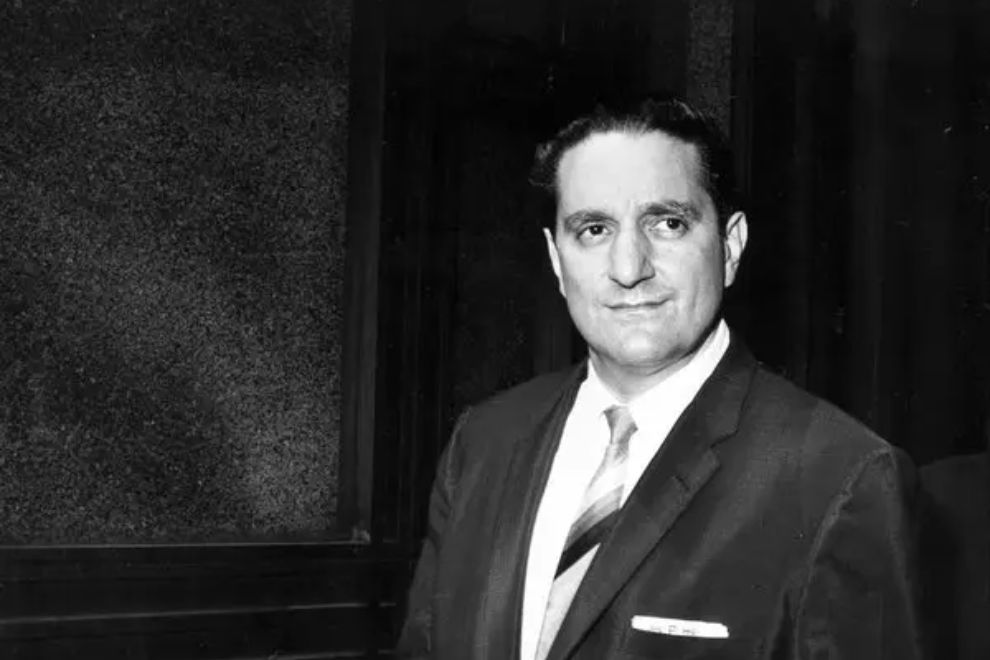
Introduction Paul Castellano, often referred to as “Big Paul” due to his imposing height and commanding presence, was one of the most influential figures in the American Mafia during the late 20th century. As the head of the powerful Gambino crime family, Castellano wielded immense influence in organized crime, steering the family toward more business-oriented ventures. His story is one of calculated ambition, internal conflict, and a downfall that shook the very foundation of the Mafia world. Early Life and Background Constantino Paul Castellano was born on June 26, 1915, in Brooklyn, New York, to Italian immigrant parents from Sicily. Growing up in Brooklyn’s Bensonhurst neighborhood, a known hotbed for organized crime activity, Castellano was surrounded by the Mafia lifestyle from an early age. Unlike many gangsters of his era, Castellano was not known for his street-level muscle. Instead, he demonstrated a sharp business acumen, preferring to manage operations from behind the scenes. His early work involved legitimate businesses, but he gradually became more involved in organized crime, especially in racketeering and loan sharking. Rise in the Gambino Crime Family Castellano’s rise in the Mafia was steady and strategic. He was the cousin of Carlo Gambino, one of the most respected mob bosses in history. This family connection, combined with his business-minded approach, positioned him as a trusted figure within the organization. By the 1970s, Castellano had established himself as a key figure in the Gambino family’s leadership, managing lucrative businesses in meat processing, construction, and trucking. His preference for white-collar crime over traditional street-level operations earned him the nickname “The Howard Hughes of the Mob.” Becoming the Boss In 1976, Carlo Gambino died of natural causes, and despite opposition from some members of the family who favored Aniello Dellacroce, Castellano was appointed boss. Dellacroce, the family’s underboss, accepted the decision under the condition that he would maintain control over traditional mob rackets, while Castellano focused on the white-collar side. As boss, Castellano expanded the family’s operations into construction bid rigging, extortion, and legitimate industries, ensuring steady income while minimizing street violence. He preferred to keep a low public profile, rarely appearing in social clubs or street meetings, and instead conducting business from his Staten Island mansion. Business Style and Philosophy Castellano was known for running the Gambino family like a corporation. He encouraged members to invest in legitimate businesses and avoid attracting unnecessary attention from law enforcement. This approach made him less popular among traditional mobsters, who viewed his style as overly cautious and disconnected from the “old ways” of the Mafia. He enforced strict rules within the family, including bans on drug dealing, which he believed brought excessive police scrutiny. However, many members ignored this rule, leading to growing tensions between Castellano and other high-ranking figures. Tensions and Internal Conflict The biggest source of conflict came from Castellano’s strained relationship with the “street” faction of the Gambino family, led by John Gotti and others loyal to Aniello Dellacroce. Gotti, in particular, viewed Castellano as out of touch and overly controlling. The situation worsened when Dellacroce died in December 1985. Without Dellacroce’s influence to keep the peace, resentment toward Castellano reached its peak. The Assassination On December 16, 1985, Paul Castellano was scheduled to meet associates at Sparks Steak House in Midtown Manhattan. As he exited his limousine, he was ambushed and shot multiple times in broad daylight. His bodyguard and driver, Thomas Bilotti, was also killed instantly. The assassination was allegedly orchestrated by John Gotti, who then took over as boss of the Gambino family. Castellano’s murder marked one of the most public and shocking Mafia hits in American history. Aftermath and Legacy The murder of Paul Castellano signaled a shift in the Gambino family’s operations. Under Gotti’s leadership, the family returned to a more flamboyant and aggressive style, which ultimately attracted heavy law enforcement attention. Castellano’s legacy remains complex. Supporters argue that his business-oriented approach kept the family profitable and under the radar, while critics claim his detachment from street operations alienated many members and sealed his fate. Key Facts about Paul Castellano Life Lessons from Paul Castellano While his life was rooted in organized crime, there are business and leadership lessons—both positive and negative—that can be drawn from Castellano’s story:

banners 6 2

Dennis Nilsen: The Quiet Killer of Muswell Hill

Introduction Dennis Andrew Nilsen remains one of Britain’s most infamous serial killers. Between 1978 and 1983, he lured at least fifteen men and boys to their deaths, hiding in plain sight in the heart of London. To the outside world, Nilsen appeared quiet, polite, and reserved. Yet behind closed doors, he harbored a darkness that would horrify the nation. His case is remembered not just for the number of victims but for the chilling calmness with which he spoke about his crimes after being caught. This article delves deep into Nilsen’s life, crimes, psychological makeup, and his impact on the true crime landscape. It also includes original, reflective quotes inspired by his story — not as an attempt to glorify him, but to capture the haunting themes his life represents. Early Life and Background Dennis Nilsen was born on 23 November 1945 in Fraserburgh, Scotland, to a troubled home. His father abandoned the family early, and Dennis grew up in the care of his mother and grandparents. His grandfather, whom Dennis adored, died when Dennis was just six years old — an event that would shape his views on death and attachment. Isolated and introverted, Dennis often retreated into fantasies. His fascination with mortality began early. He was reportedly present during his grandfather’s funeral and even touched the body — an experience he would later describe as peaceful and oddly comforting. Path to Crime Nilsen’s adult life seemed ordinary. He served in the army, worked as a police officer, and later found employment as a civil servant. Yet beneath the surface, he struggled with loneliness and identity. His relationships with men were short-lived, leaving him yearning for constant companionship. By the late 1970s, Nilsen began inviting men — often homeless youths or those he met in pubs — to his home. His initial intention, as he later claimed, was not always murder, but an obsessive fear of abandonment led him down a path of escalating violence. The Murders Nilsen’s killing spree began in December 1978. His victims were typically strangled or drowned after being incapacitated. What made his crimes particularly disturbing was his post-mortem behavior: Nilsen often kept the bodies for days, bathing them, talking to them, and even positioning them around his flat as if they were still alive. At his first address, 195 Melrose Avenue, he disposed of bodies by burying them under the floorboards. When he moved to a new flat at 23 Cranley Gardens, disposal became harder. There, he began cutting up the remains and flushing parts down the toilet — a mistake that would eventually lead to his capture. Capture and Arrest In February 1983, plumbers were called to investigate blocked drains at Cranley Gardens. They discovered human flesh and bones in the pipes. The police traced the source back to Nilsen’s apartment. When confronted, Nilsen confessed almost casually, telling officers, “It’s a long story — goes back a long time. I’ll tell you everything.” He then calmly recounted his crimes, often with disturbing detail, as if narrating a mundane life event. Trial and Conviction Nilsen’s trial began in October 1983. The main question was whether he was guilty of murder or manslaughter due to diminished responsibility. His defense argued mental abnormality, but the jury convicted him of six counts of murder and two counts of attempted murder. He was sentenced to life imprisonment, with a recommendation that he never be released. Psychological Profile Psychologists have described Nilsen as a classic example of a neurotic narcissist with obsessive tendencies. His crimes were not driven solely by sexual desire but by a desperate need to prevent abandonment. By killing his victims, he could keep them forever — frozen in time and incapable of leaving. Impact on UK Law and Society The Nilsen case sparked discussions on mental health, police procedures, and the vulnerability of homeless and marginalized individuals. Many of his victims went unreported missing, highlighting societal neglect toward certain populations. Media and Cultural Representations Nilsen’s life and crimes have been the subject of documentaries, books, and dramatizations — most notably the 2020 drama Des starring David Tennant. These works aim to explore the psychology behind his actions rather than sensationalize them, though the ethics of retelling such stories is often debated. Life in Prison In prison, Nilsen remained articulate, even writing his memoirs. He continued to correspond with journalists, criminologists, and curious members of the public. Fellow inmates described him as polite and intelligent, yet manipulative. Death and Legacy Dennis Nilsen died in May 2018 at the age of 72, after suffering a pulmonary embolism and a ruptured abdominal aorta. His death closed a chilling chapter in British criminal history, but the questions about his psychology and the fragility of human morality remain. 30 Original Dennis Nilsen–Inspired Quotes (These are fictional, reflective quotes written in the style of a dark psychological narrative — not real statements from Nilsen.) Conclusion The case of Dennis Nilsen remains a disturbing study in loneliness, obsession, and the human need for connection. His crimes were not the acts of a chaotic madman but of a deeply lonely individual whose need for control and companionship turned lethal. In remembering Nilsen, society confronts not just the horror of his acts but the societal failures that allowed vulnerable men to vanish without notice. His story, dark as it is, serves as a reminder that evil often hides behind ordinary faces — and that the most dangerous monsters are sometimes the quietest.

banners 5 2

Cole Younger: The Life, Legacy, and Lessons of an American Outlaw

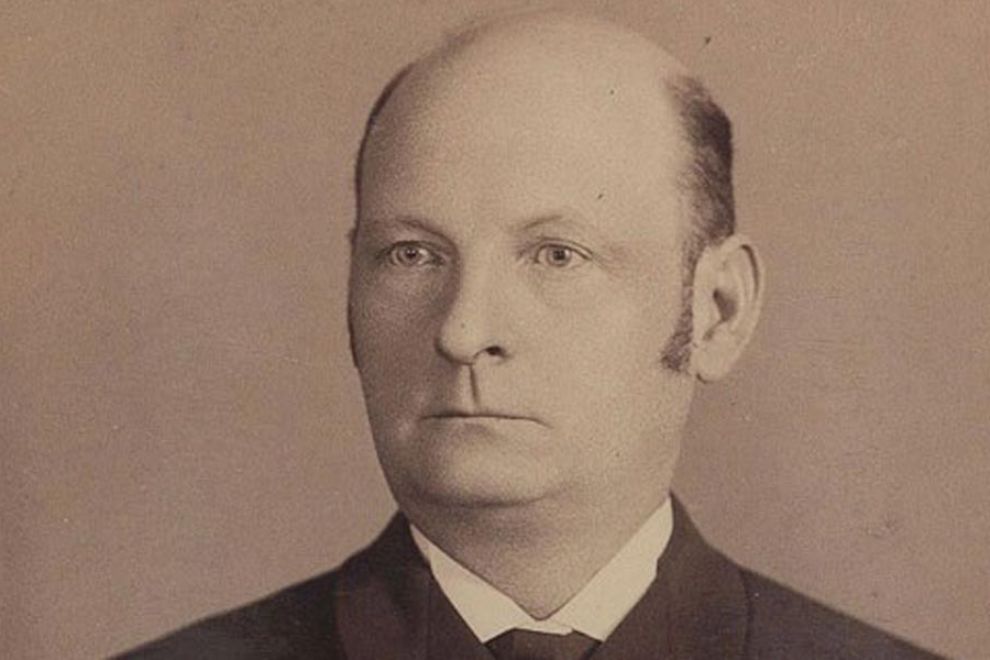
Introduction – Who Was Cole Younger? Thomas Coleman “Cole” Younger was more than just a name in the dusty pages of Old West history. He was a soldier, an outlaw, a survivor, and, in his later years, a man seeking redemption. Born into a time of civil unrest, Cole Younger’s life was shaped by the chaos of the American Civil War, the lure of the frontier, and the blurred lines between heroism and lawlessness. Today, he is remembered as one of the most famous members of the James–Younger Gang, alongside Jesse James. But beyond the gunfights and robberies lies a man who saw war, love, betrayal, prison, and forgiveness — a journey that makes his life story worth more than a passing glance. Early Life and Family Background Cole Younger was born on January 15, 1844, in Jackson County, Missouri, into a large and respected farming family. His father, Henry Washington Younger, was a prosperous landowner and a community figure. The Youngers valued honor, independence, and loyalty — values that would later fuel both Cole’s pride and his downfall. In his youth, Cole was known for his intelligence, charm, and strong sense of justice. But life would change dramatically when the Civil War erupted in 1861. Civil War and the Path to Outlawry The Civil War divided Missouri between Unionists and Confederate sympathizers. Cole Younger, just 17 when the war began, sided with the Confederacy. He joined the Quantrill’s Raiders, a Confederate guerrilla group led by William Quantrill, infamous for their hit-and-run tactics and ruthless raids. The war hardened Cole — he saw friends die, towns burn, and neighbors turn against each other. In 1862, tragedy struck when his father was killed by Union soldiers. That loss deepened his bitterness and set him on a darker path. By the end of the war, Cole was not just a veteran — he was a man shaped by violence, loss, and the belief that survival often meant taking the law into his own hands. The James–Younger Gang: Rise and Infamy After the war, Missouri was a dangerous place for ex-Confederates. Cole Younger reunited with old comrades, including Jesse and Frank James, forming the James–Younger Gang. Between 1866 and 1876, the gang committed numerous bank robberies, train holdups, and stagecoach heists across the Midwest. They targeted institutions they believed had exploited people during the war — especially banks linked to Union supporters. To some, they were folk heroes; to others, dangerous criminals. Cole was a skilled tactician, often planning the gang’s raids with military precision. But their fame made them targets of law enforcement, and their luck would eventually run out. The Northfield Raid: A Turning Point On September 7, 1876, the gang attempted to rob the First National Bank of Northfield, Minnesota. They underestimated the town’s resistance — armed citizens fought back fiercely. In the chaos, two townspeople and two gang members were killed. Cole was shot multiple times but managed to escape with his brothers, only to be captured days later. The Northfield Raid marked the end of the James–Younger Gang’s reign. Capture, Imprisonment, and Later Life Cole Younger was sentenced to life in prison. He served 25 years at the Minnesota State Prison in Stillwater. While behind bars, he became a model prisoner, studying law, working in the library, and even mentoring younger inmates. In 1901, he was paroled and later pardoned. Surprisingly, Cole did not return to crime. Instead, he went on lecture tours with Frank James, speaking about the dangers of crime and sharing his life story. His autobiography, The Story of Cole Younger by Himself, offered a rare personal look into his experiences. Transformation: From Outlaw to Lecturer In his later years, Cole became something of a folk philosopher. While he never denied his past, he urged young people to avoid the mistakes he had made. He emphasized honor, loyalty, and living within the law — values that seemed ironic coming from a former outlaw but carried weight because they came from experience. Philosophy, Regrets, and Reflections Cole admitted that war and revenge had pushed him into lawlessness. He often expressed regret over the pain caused by his actions but remained unapologetic about fighting for his beliefs during the Civil War. His reflections show a man who believed that life’s worth is measured not by how you start, but by how you finish — a principle that makes his story both cautionary and inspiring. Cole Younger in American History and Culture Cole Younger’s life has been romanticized in books, films, and folk songs. While historians debate whether he was a Robin Hood figure or simply an outlaw, his story reflects the turbulent era of post–Civil War America — a time when survival and justice often clashed. 50 Original Cole Younger-Inspired Quotes (These are 100% original and inspired by his life, not copied from history) Conclusion – Lessons from a Rebel Life Cole Younger’s story is not just about crime and punishment — it’s about transformation. From a respected farmer’s son to a feared outlaw, from a prisoner to a man of wisdom, his journey shows that no life is beyond reflection or redemption. His legacy remains controversial, but his lessons are timeless: the choices you make define you, the people you ride with shape you, and the regrets you carry follow you to the end.