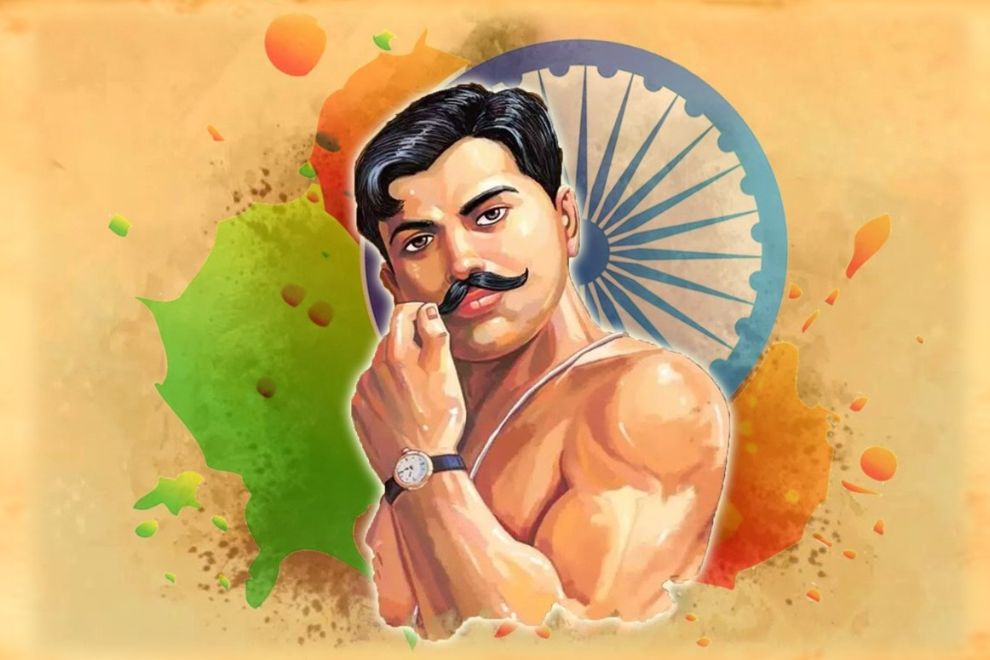
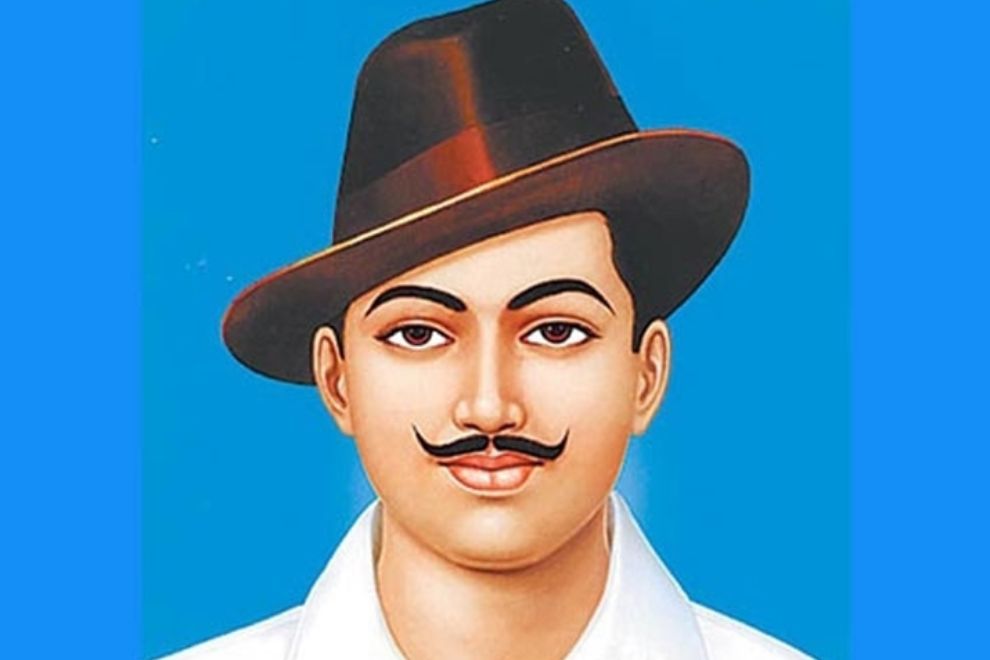
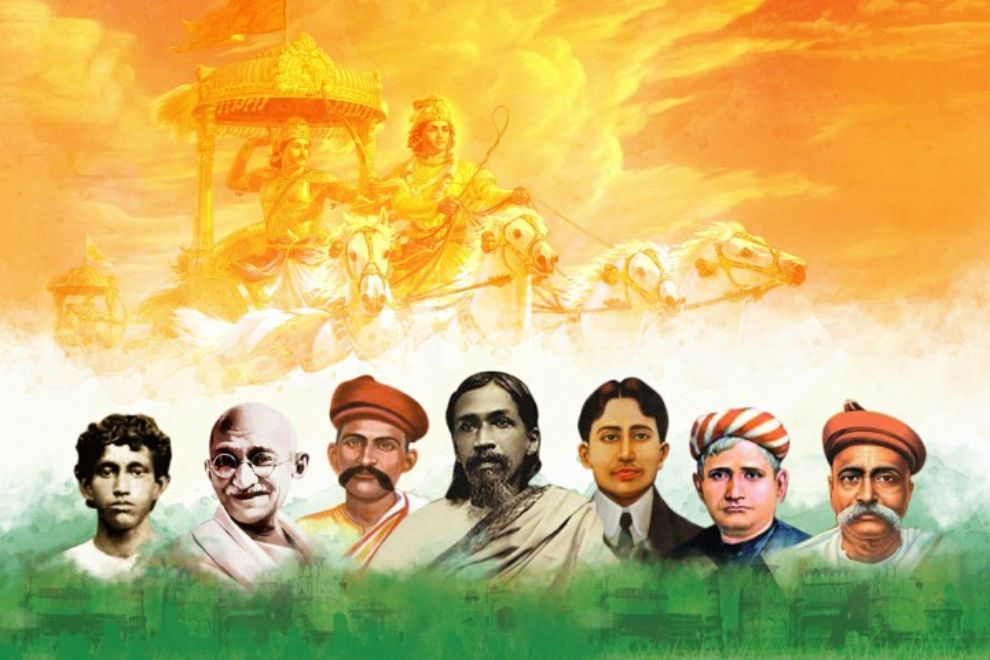
Introduction – The Glory and the Shadows On the midnight of 15 August 1947, the tricolour rose high in the Indian sky, symbolising independence after nearly two centuries of British rule. The streets roared with celebration, and history books recorded it as a moment of ultimate triumph. But behind the fireworks and speeches lay a reality soaked in blood, betrayal, and compromise. India’s freedom came with a cost so heavy that even today, its weight is carried by generations. The story we were taught in schools is only one version — the decorated one. The truth, when unwrapped, reveals a complex web of political deals, silent betrayals, and the voices of those who never made it into history books. Before 1947 – The Struggle Behind the Struggle While the official narrative focuses on non-violence as the path to independence, history records multiple parallel movements, each with its own strategy and sacrifices. The Indian freedom struggle was not just about peaceful protests; it was also about underground resistance, armed revolutions, secret societies, and the countless ordinary citizens who fought without hope of recognition. These stories were overshadowed by the dominance of a few political leaders in official accounts, leaving the contribution of many fighters buried. Quote 1: “History doesn’t hide the truth; humans do. And we call it ‘curriculum’.” The Forgotten Fighters – Erased from Memory Many who fought for freedom didn’t get a place in the golden frame of the independence narrative. From Matangini Hazra, who was shot while carrying the Indian flag, to Alluri Sitarama Raju, who led a tribal revolt in Andhra Pradesh, their sacrifices were often footnotes. Why? Because the post-independence political landscape needed a unified, simplified hero narrative to build a nation’s identity — and complexity was inconvenient. Those who didn’t align with the dominant ideology of the new rulers were left out. The British were gone, but the politics of selective remembrance began immediately. Quote 2: “Not all heroes get statues. Some only get silence.” Partition – Freedom’s Blood Price The partition of India in 1947 remains one of the largest forced migrations in human history. Over 14 million people were displaced, and an estimated 1 to 2 million lost their lives in communal violence. The decision to divide the country was not a sudden emergency measure; it was the result of years of political failure, communal polarisation, and hurried British exit strategies. Independence came, but it was delivered through a corridor of corpses. Quote 3: “We got freedom at midnight, but woke up in the morning surrounded by graves.” Economic Realities Post-Independence Freedom was supposed to open the doors to prosperity, but the country inherited a crippled economy. While independence was politically complete, economic freedom was still far away — and in many ways, India remained chained to global powers through trade, aid, and loans. Quote 4: “We were free to wave our own flag, but still had to beg for bread.” Political Power Games After Freedom One of the darkest truths of India’s freedom story is that colonial power didn’t disappear — it shifted hands. Some decisions were made for stability; others for personal and party power. The revolution promised to the masses was quietly replaced by administrative continuity. Quote 5: “Independence didn’t break the chains; it just handed the keys to new masters.” Cultural & Educational Manipulation After independence, the shaping of national identity was in the hands of the new leaders. This meant rewriting history to suit political narratives. School textbooks began to glorify certain leaders while downplaying others. The complexity of the freedom struggle — where moderates, revolutionaries, spiritual leaders, and armed fighters all played a part — was compressed into a few neat chapters. The result? Generations grew up knowing only half the story. Quote 6: “Erase a man’s story, and you erase him twice — once from history, once from memory.” How the Common People Paid the Price For the farmers in Punjab, Bengal, and Bihar, independence didn’t mean an end to poverty. For factory workers, there was no sudden rise in wages. For tribal communities, the exploitation of land and resources continued — now by Indian corporations instead of foreign companies. The promise of Swaraj (self-rule) became political rhetoric. The elite benefitted first, while the poor waited decades for real change. Even today, in rural India, freedom is still a dream measured in access to clean water, electricity, and education. Quote 7: “Freedom given without equality is like a bird with broken wings.” Media and the Selective Storytelling of Freedom Media played a vital role in the freedom struggle, but post-independence, it became a tool for nation-building propaganda. While it was important to inspire unity, this also meant that dissenting voices were labelled as anti-national. Critical questions about partition violence, economic policies, and political corruption were often avoided. The cost of speaking against the dominant narrative was high — a trend that, unfortunately, still exists. Quote 8: “Truth is the first prisoner of patriotic propaganda.” The Lessons We Ignore Every independence anniversary is an opportunity to reflect — not just to celebrate. But India’s freedom story teaches us that true freedom is not just the absence of foreign rulers, it is the presence of justice, equality, and dignity for all. The dark truths remind us that independence was not the end of the struggle — it was merely a change in its nature. The challenge now is to ensure that future generations inherit not just political liberty, but also social and economic fairness. Quote 9: “The cost of forgetting history is paying for it twice.” 50 Original Quotes on the Dark Truth of Freedom Conclusion – Freedom’s Incomplete Journey India’s freedom is a story of courage, resilience, and sacrifice — but also of compromise, loss, and unfinished promises. The independence we celebrate each year is real, but so are the scars of partition, the erasure of forgotten fighters, and the unfulfilled dreams of millions. Understanding the dark truths of independence is not unpatriotic — it is